What really is in our pet food and animal nutrition?
A QUIET TRUTH THAT RARELY GETS TALKED ABOUTWe often assume that animal feed whether for pets (small and large) or livestock, is held to the same standards we expect for our own food. The reality though is far more complex, animals are not exempt form additives, processing aids, filler, colourants and flavour enhancers. In fact, many of the practises we question in human food are even more common in animal feed.
This page exists to bring clarity, not alarm! When we understand what goes into the foods our animals eat, we can make choices that support their wellbeing and subsequently ours.
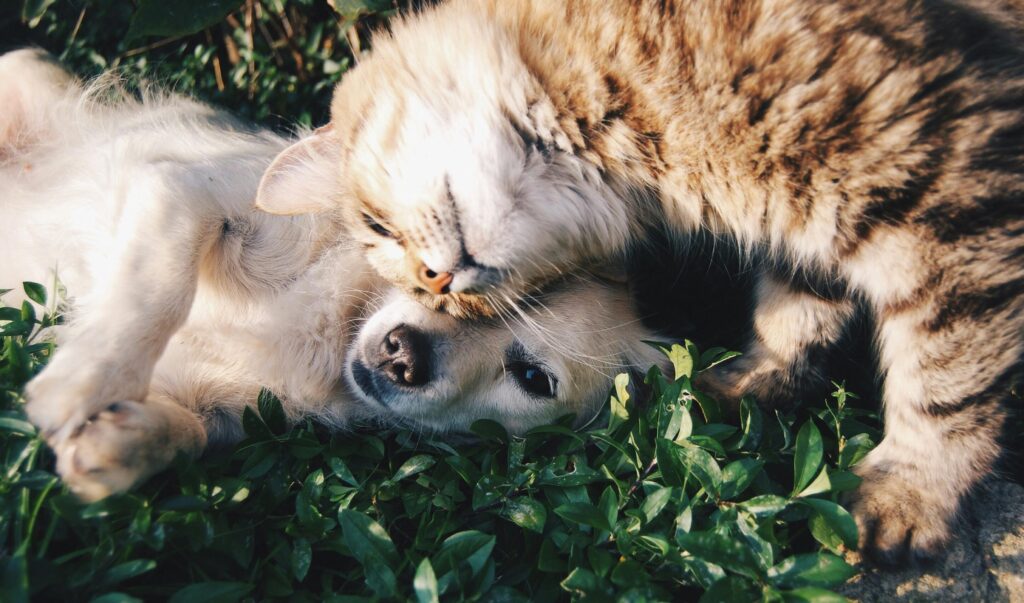
Why animal feed contains additives
Additives in animal feed serve many of the same purposes as in human food: Preservation — preventing spoilage in bulk storage Colouring — making feed appear fresher or more appealing Flavouring — encouraging animals to eat more Texture agents — binding pellets or improving consistency Nutrient fortification — adding vitamins, minerals, amino acids Processing aids — helping machinery run smoothlyBut unlike human food, these additives can be used in larger quantities, with less transparency, and with different regulatory thresholds
Livestock Feed: What Animals Eat, We Indirectly Eat Too
Pet Food: The Illusion of “Real Meat”
Pet food labels can be surprisingly vague. Terms like: – “Meat and animal derivatives” – “Cereals” – “By‑products” – “Flavourings” and “Colourants” …can hide a wide range of ingredients, including low‑grade proteins, rendered materials, and artificial additives designed to enhance palatability. Even premium brands may use: – Artificial colours to make kibble look “meaty” – Flavour enhancers to mask low‑quality ingredients – Preservatives not permitted in human food – Fillers that bulk out the product without nutritional value
WHY THIS MATTERS.
Understanding animal feed isn’t just about pets or livestock. It’s about:
– Animal wellbeing
– Food quality
– Environmental impact
– Transparency across the entire food chain
When we know what animals are fed, we understand more about the products we buy — from pet food to eggs, dairy, and meat.
Regulation Exists — But It’s Not the Same
Animal feed is regulated, but the standards differ from human food. For example: Some additives banned in human food are still permitted in animal feed Labelling rules are less strict Ingredient categories can be broad and non‑specific “Derivatives” and “by‑products” can legally include a wide range of materials Colourants and flavourings may not need to be individually listed This doesn’t mean feed is unsafe — but it does mean consumers deserve clearer information.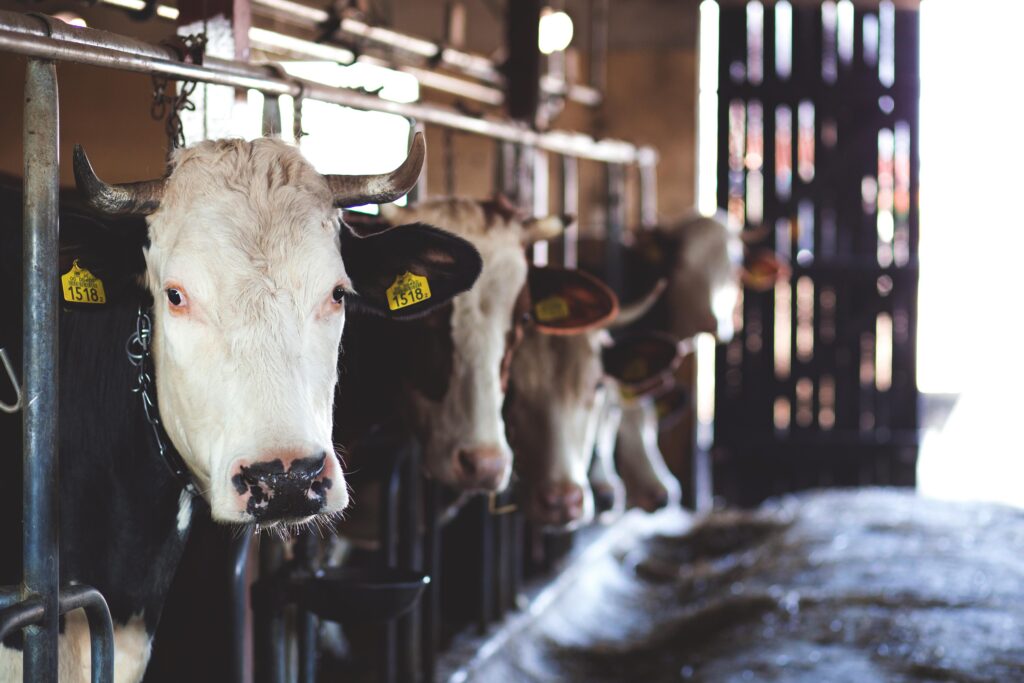
What To Look For
Whether you’re choosing pet food or buying animal products, these clues can help:
- Shorter ingredient lists
- Named proteins (“chicken”, “beef”) instead of “meat derivatives”
- Clear additive declarations
- Brands that publish full ingredient sourcing
- Certifications for feed quality
- Avoiding artificial colours in pet food
- Transparency about by‑products
A Movement Toward Transparency
Animals deserve better than vague labels and hidden additives — and so do we. By asking questions, reading labels and choosing brands that prioritise clarity, we help shift the industry toward higher standards.
This is part of a bigger movement: one that values transparency, wellbeing and informed choices across every category, from our own food to the food we give the animals we love.