Research is showing us how ultra processed foods are affecting our health and not in a good way…
Ultra‑processed foods (UPFs) aren’t just changing the way we eat, they are changing the way our bodies function. Over the past decade, a growing body of research has begun connecting high UPF intake with a wide range of health concerns. These aren’t isolated issues, they form a pattern that’s becoming harder to ignore.
This page breaks down what scientists are exploring, why it matters and how understanding UPFs can help you make more empowered choices.
THE BIGGER PICTURE

How These Issues Connect and why this matters to you
What’s striking is not just the individual health concerns, it is how they overlap.
UPFs are being studied for their potential role in:
* Inflammation, which underpins many chronic conditions
* Metabolic disruption, affecting weight, hormones and energy
* Gut imbalance, influencing immunity and mental health
* Cognitive changes, linked to long‑term wellbeing
These aren’t separate problems, they form a web of interconnected systems and UPFs may be one of the common threads.
You don’t need to cut out every UPF. You don’t need to be perfect. You simply deserve clarity.
The kind that helps you make choices that support your long‑term health, your family and your future.
This is why Live Beyond the Label exists – To give you the knowledge that food labels don’t.
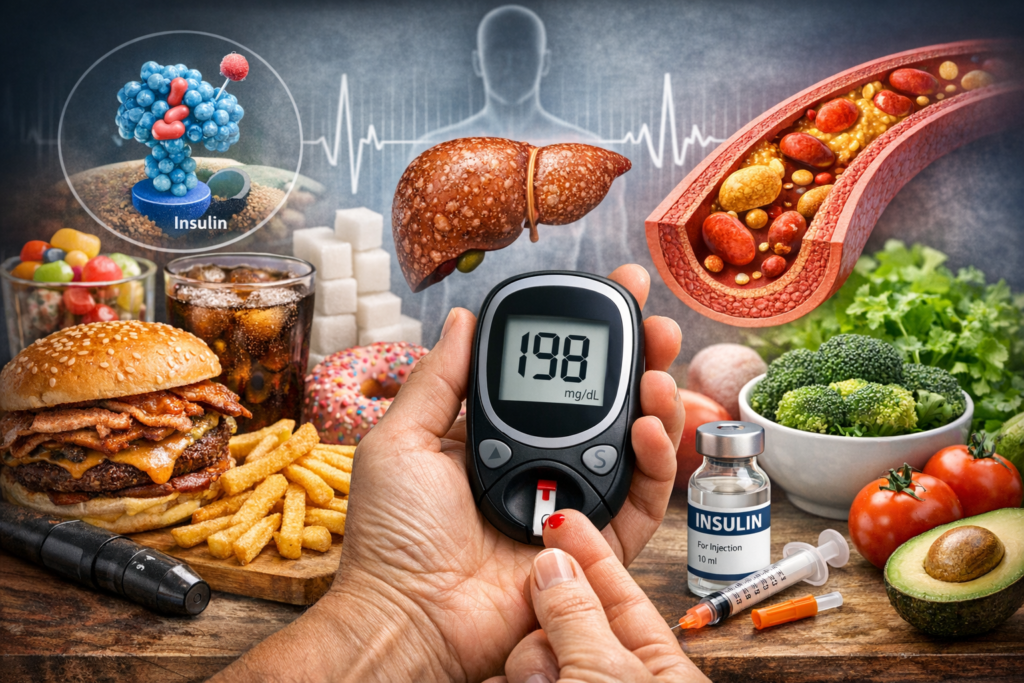
UPFs & Type 2 Diabetes
Research has consistently found a strong correlation between high UPF consumption and increased risk of developing type 2 diabetes.
Why?
– UPFs are often high in refined carbohydrates that cause rapid spikes in blood sugar
– Additives and emulsifiers may affect insulin sensitivity
– Artificial sweeteners can alter the gut microbiome, which plays a role in glucose regulation
– UPFs tend to override natural satiety signals, leading to overeating
This isn’t about blaming individuals — it’s about recognising how modern food formulations can disrupt metabolic health.
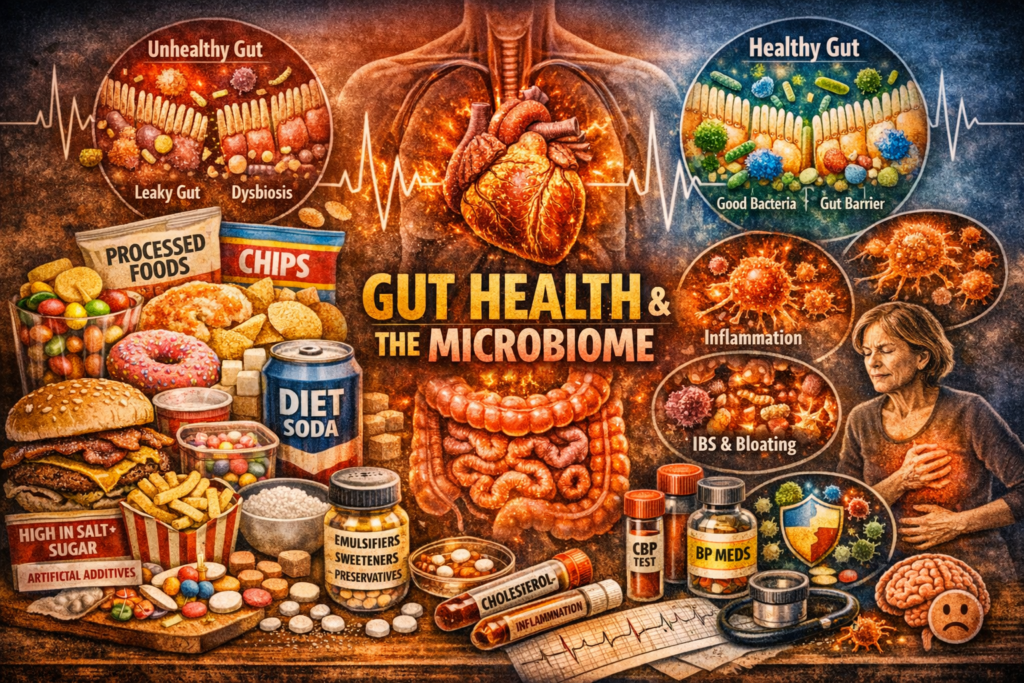
Gut Health & Microbiome
Your gut microbiome is incredibly sensitive to what you eat. UPFs can disrupt this delicate ecosystem through:
* Emulsifiers that may thin the gut lining
* Artificial sweeteners that alter microbial balance
* Low fibre content
* Additives that may affect gut permeability
A disrupted microbiome has been linked to digestive issues, immune dysregulation, inflammation and even mood changes.
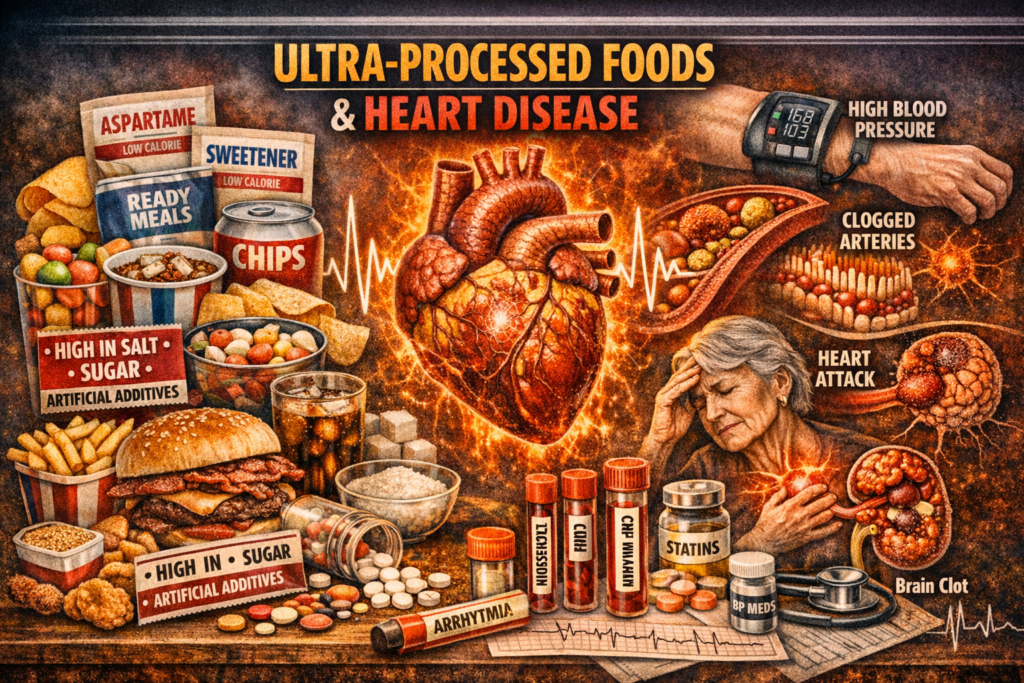
Cardiovascular Diseases & UPFs
Studies have found that people who consume more UPFs tend to have a higher risk of cardiovascular issues.
Possible contributing factors include:
– High levels of sodium, trans fats, and additives
– Chronic low‑grade inflammation
– Disrupted lipid metabolism
– Increased oxidative stress
It’s not just the ingredients — it’s the formulation of UPFs that may affect how the body processes fats and regulates blood pressure.
Inflammation & Metabolic Dysfunction
Many UPFs contain additives designed to improve texture, shelf life, or flavour. Some of these are being studied for their potential to trigger or worsen inflammation.
Inflammation is linked to:
* Autoimmune conditions
* Joint pain
* Skin issues
* Fatigue
* Metabolic disorders
UPFs can also interfere with the hormones that regulate hunger, fullness and energy balance, contributing to metabolic dysfunction over time.

Artificial Sweeteners & Cognitive Health
There is ongoing research exploring potential links between certain artificial sweeteners — including aspartame — and cognitive health concerns such as dementia and Alzheimer’s disease. Scientists are investigating how these sweeteners may: * Influence neurotransmitters * Affect the gut–brain axis * Contribute to inflammation * Alter metabolic pathways that support brain health While research is still evolving, the pattern is clear enough to raise important questions about long‑term exposure.
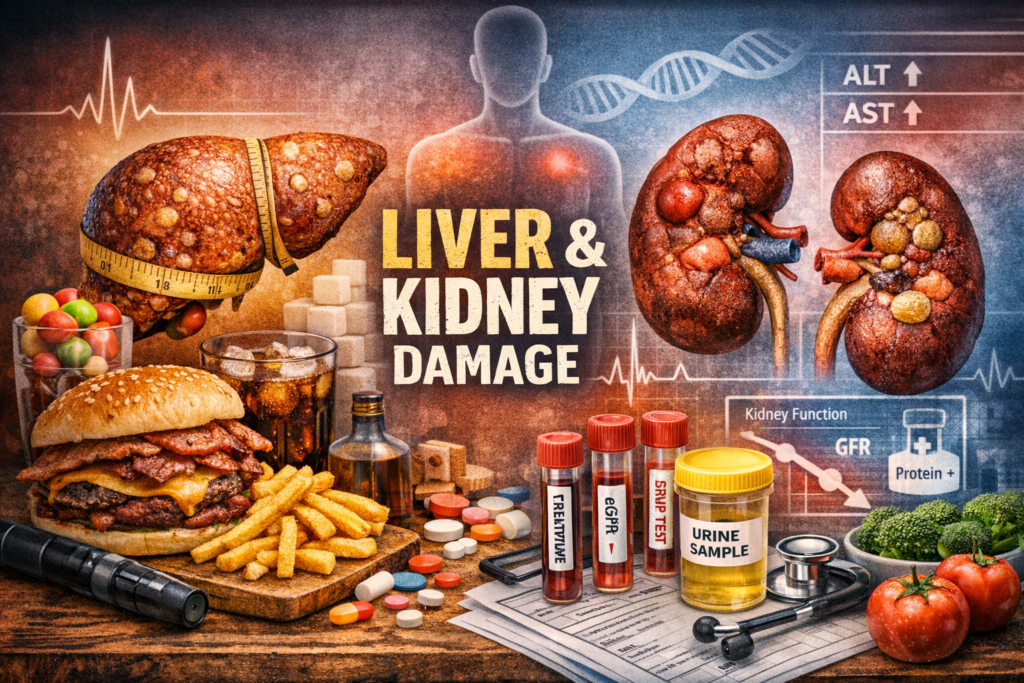
Liver & Kidney Health
Emerging research suggests that high UPF intake may be associated with:
– Non‑alcoholic fatty liver disease (NAFLD)
– Increased strain on the kidneys
– Higher levels of metabolic waste products
– Greater exposure to additives that the liver must process
Again, this isn’t about fear, it’s about understanding how heavily processed foods can place additional demands on the body’s detoxification systems.
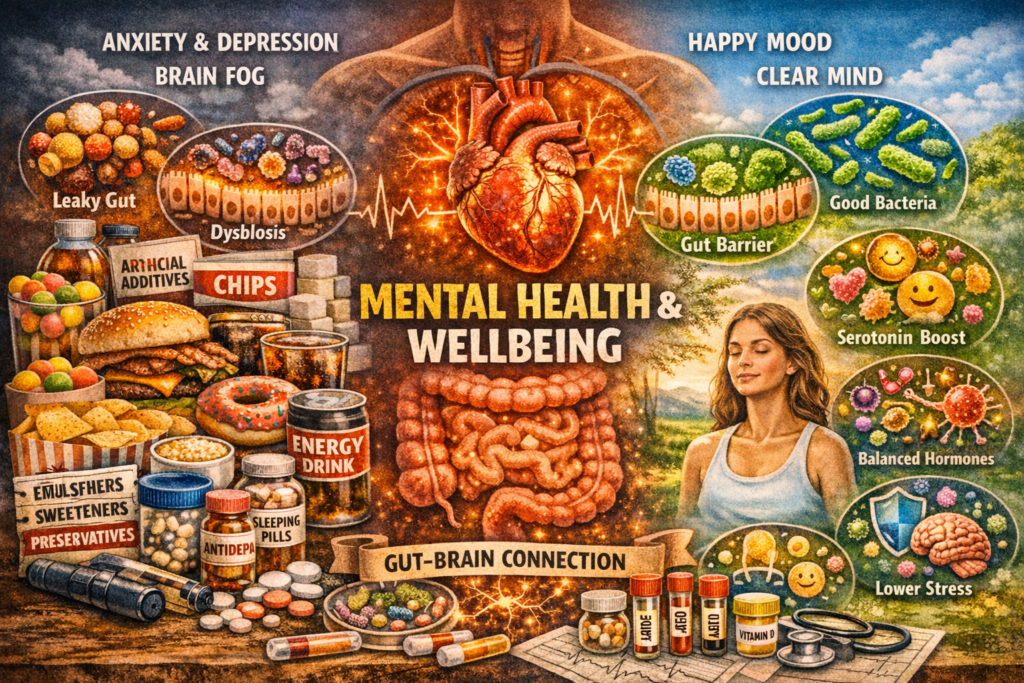
Mental Health & Wellbeing
The connection between UPFs and mental health is one of the most rapidly growing areas of research. Scientists are exploring how UPFs may influence mood regulation, anxiety and stress responses, cognitive function, sleep function and emotional resilience.
The gut–brain axis plays a major role here. When the gut is inflamed or imbalanced, it can affect neurotransmitters like serotonin and dopamine — both essential for mental wellbeing.
what to explore next
Decode Labels
Make shopping easier with the know how to decode labels in seconds.
Simple Swaps
To reduce UPFs without sacrificing convenience
Insights
Research backed insights written in human language
UPFs & Real Health Issues – Further reading
UK Based Research
Discover accessible, authoritative sources from UK institutions, government bodies, and major research groups that explore the health impacts of ultra‑processed foods in this section across all the explored UPF’s and Real Health issues.
UPF’s & Metabolic Health / Type 2 Diabetes
While the above covers metabolic outcomes broadly, you can also reference:
Nuffield Department of Women’s & Reproductive Health – UPF & Metabolic Dysfunction Discusses how UPFs contribute to oxidative stress, inflammation and metabolic disruption — all relevant to diabetes risk.
Artificial Sweeteners & Cognitive Health
There is no single UK‑only study on sweeteners and dementia, but the following UK‑based evidence summaries explore mechanisms relevant to cognitive decline:
Government Office for Science UPF Mechanisms Roundtable (2024) Includes discussion of additives, sweeteners and their potential biological pathways affecting the brain.
Liver & Kidney Health
While UK‑specific liver/kidney UPF studies are still emerging, the following sources discuss metabolic and organ‑system impacts.
British Liver Trust – Diet, Additives & Liver Health Discusses how processed foods and metabolic strain may affect liver function.
Kidney Research UK – Diet & Kidney Function Covers how diets high in processed foods may influence kidney strain, blood pressure and long‑term kidney health.
Cardiovascular Disease
National Library of Medicine Discusses findings from UK Biobank examine UPF intake and cardiovascular disease and all cause mortality.
Cancer Risk & UPFs
The Lancet / eClinical Medicine: UK Biobank Study (2023) One of the largest UK‑based analyses linking UPF consumption with increased cancer risk and mortality.
Inflammation, Gut Health & Systemic Effects
Government Office for Science Mechanisms Report (2024) Covers inflammation, gut permeability, microbiome disruption, and immune responses to UPFs.