What Parents Need to Know Without the Guilt
Walk down any supermarket aisle and you’ll see it instantly –
Children’s foods are some of the most aggressively marketed products on the shelves.
Bright colours, cartoon characters, “no nasties”, “high in calcium”, “made with real fruit” etc etc,
the packaging is designed to feel reassuring BUT when you turn the box around,
the label often tells a very different story, full of UPFs.
Many of the foods marketed specifically to children fall into the category of ultra‑processed foods (UPFs).
These are products that go far beyond simple processing,
they are formulated with
– additives – flavour enhancers – emulsifiers – stabilisers – colourings – sweeteners –
All to make them
– hyper‑palatable – shelf‑stable – cheap to produce –
This isn’t about blame or shame.
It is about awareness.
Because once you understand what’s actually in these products,
you are in a stronger position to make small, realistic swaps that support your child’s long‑term health.
Without restriction, overwhelm or perfection.
Why Kids’ Foods Are Often UPFs
Children are a prime target for food marketing.
Brands know that:
* Kids respond strongly to colours, characters and fun shapes
* Parents respond to “health halo” claims like no added sugar, high in fibre or fortified with vitamins
* Convenience is a huge factor in busy family life
This combination creates a perfect storm where products look healthy, feel child‑friendly and slot easily into lunchboxes, even when they’re highly processed.
Common UPFs in children’s diets include
* Yoghurts marketed as healthy (often high in sugar, sweeteners, thickeners and flavourings)
* Cereal bars (usually bound with syrups, oils and additives)
* Fruit snacks (often closer to confectionery than fruit)
* Breakfast cereals (many contain refined grains, sugar and colourings)
* Flavoured drinks (from squash to “vitamin waters”)
* Lunchbox fillers (processed cheese, meat snacks, mini cakes, crisps, potato snacks and pouches)
These foods aren’t “bad foods”.
They are just not what the packaging suggests and they can crowd out the whole foods that keep kids
– full – energised – nourished –
How UPFs Affect Kids Differently
Children aren’t just “small adults”. Their bodies, brains and taste preferences are still developing, which means UPFs can have a bigger impact.– They’re engineered to be irresistible.
UPFs are designed to hit the brain’s reward pathways quickly.
For kids, who are naturally more sensitive to sweet and salty flavours, this can shape long‑term preferences.
– They digest quickly – meaning kids get hungry again.
Many UPFs are low in fibre and protein.
They break down fast, causing quick spikes and dips in energy.
This can lead to
* more snacking
* bigger portions
* difficulty concentrating
* mood swings
– Additives may influence appetite and gut health
Some research suggests that emulsifiers, artificial sweeteners and certain stabilisers
may affect the gut microbiome which plays a role in digestion, immunity and appetite regulation.
While research is ongoing, it’s reasonable to stay aware.
– They normalise “sweetness” as the baseline
When kids regularly eat sweetened yoghurts, bars and drinks,
naturally sweet foods like fruit can feel less exciting.
This isn’t a parenting failure, it is a design feature of UPFs.
This Isn’t About Guilt — It’s About Awareness
Every parent uses convenience foods, every child eats UPFs and that is okay.
The goal isn’t to remove these foods entirely. It is to rebalance.
Kids adapt far more easily than we think.
Small, consistent swaps can make a meaningful difference without battles, pressure or perfection.
Simple, Realistic Swaps That Work in Real Life
These aren’t “Pinterest‑perfect” ideas. They’re practical, affordable and doable.
Swap 1: Sweetened yoghurts → plain yoghurt + fruit
You control the sweetness, and kids still get the creamy texture they love.
Swap 2: Fruit snacks → actual fruit
Fresh, frozen, dried — all count. Frozen berries are a budget‑friendly favourite.
Swap 3: Cereal bars → oat‑based bakes or nuts (if allowed)
Even a simple oat + banana bake is less processed and more filling.
Swap 4: Sugary cereals → wholegrain options
Look for cereals with short ingredient lists and higher fibre.
Swap 5: Flavoured drinks → water + fruit slices
Kids love the novelty of “fancy water”.
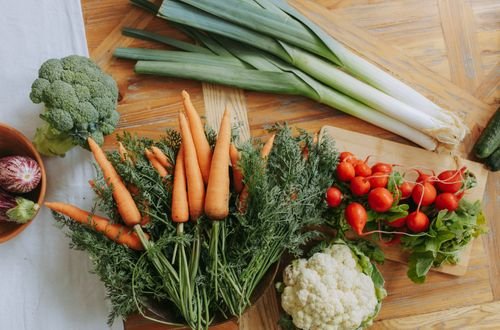
Swap 6: Lunchbox fillers → simple whole foods
Cheese cubes, boiled eggs, wholegrain crackers, hummus, fruit, veg sticks.
Small changes add up especially when they become part of the weekly routine.
How to Read Kids’ Food Labels More Confidently
A few quick checks can make a big difference
– Ingredients list: shorter is usually better
– Sugar: watch for syrups, concentrates, and “fruit purées”
– Sweeteners: often found in “no added sugar” products
– Additives: look for long chemical names (emulsifiers, stabilisers, colours)
– Whole foods: ideally appear near the top of the list
If a product has more ingredients than you’d use at home, it’s likely a UPF.
A Balanced, Non‑Alarmist Approach
UPFs aren’t the enemy, they are part of modern life, but understanding them helps you make choices that support your child’s energy, mood, appetite and long‑term health.
At Live Beyond the Label, our goal is to empower – not overwhelm.
You don’t need to overhaul your entire kitchen. You don’t need to be perfect.
You just need the information to make choices that feel right for your family.