Everyday Supplements
let’s explore what they actually are…
This comprehensive page brings together everything you need to understand everyday supplements, from the difference between synthetic and food‑based forms, to how supplements are manufactured, to the additives used in tablets and capsules and how these can influence absorption and wellbeing.
We hope this helps you
decode – decide – live
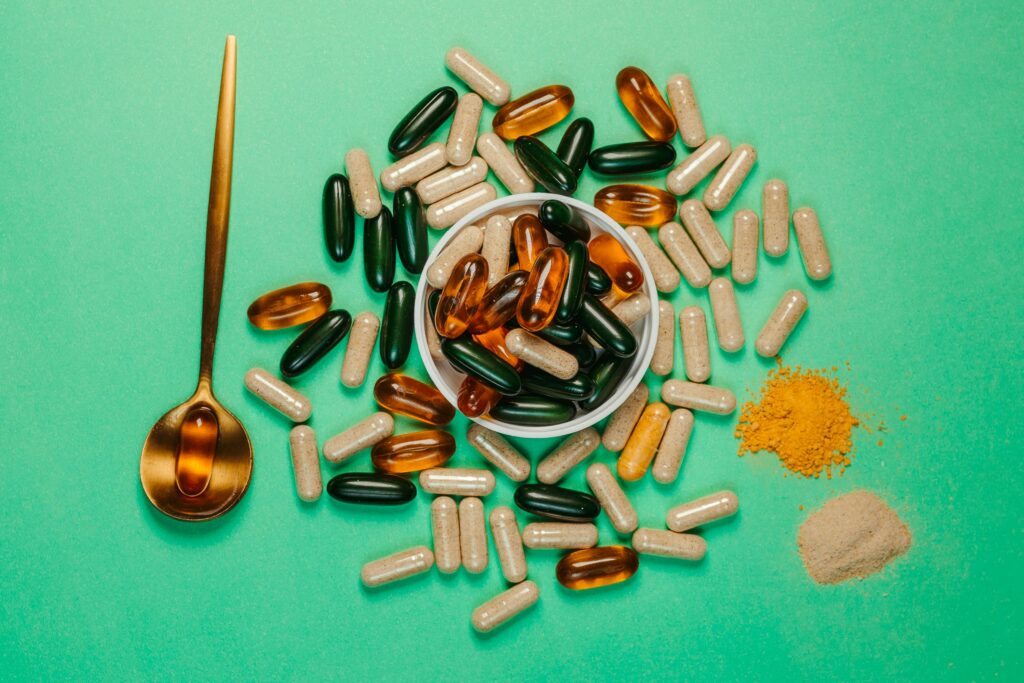
Understanding Everyday Supplements
The What, Why and How explained
Supplements can support general wellbeing, but the type of supplement matters just as much as the nutrient itself. Two products may list the same vitamin or mineral, yet the body can respond very differently depending on:
* Whether it’s synthetic or food‑based
* How it’s manufactured
* What binders, fillers, and coatings are used
* How bioavailable the nutrient is
This guide breaks down these differences clearly and simply
Basic Supplement Breakdown
SYNTHETIC SUPPLEMENTS (CHEMICAL)
Synthetic supplements are nutrients created in a lab to mimic the structure of vitamins and minerals found in food.
How Synthetic Supplements Are Made
Chemical synthesis using petroleum derivatives or industrial solvents
Fermentation using microorganisms (sometimes genetically modified)
Isolation and crystallisation of single nutrient molecules
Compression into tablets using binders, fillers, and coatings
Why This Matters
Synthetic nutrients:
– May lack natural co‑factors (enzymes, phytonutrients)
– Can be harder for the body to recognise
– Often require conversion steps in the body
– May be less gentle on digestion
Common Synthetic Forms
- Ascorbic acid (Vitamin C)
- Cyanocobalamin (B12)
- Folic acid (B9)
- Magnesium oxide
- Iron sulfate
FOOD & PLANT BASED SUPPLEMENTS
Food‑based supplements come from concentrated whole foods — fruits, vegetables, herbs, algae, or fermented plants.
How Food‑Based Supplements Are Made
Whole foods are dried, powdered, or concentrated
Nutrients remain bound to natural plant matrices
Co‑factors stay intact
No synthetic chemical reactions are used
Why They’re Often Better Absorbed
Food‑based nutrients are:
– Bio‑identical to nutrients found in nature
– Recognised more easily by the body
– Naturally paired with enzymes and phytonutrients
– Typically gentler on digestion
Examples
- Vitamin C from acerola or camu camu
- B vitamins from fermented whole foods
- Minerals from seaweed or algae
- Whole‑food multivitamin blends
WHAT IS INSIDE SUPPLEMENTS – FILLERS, BINDERS & ADDITIVES
Most supplements contain excipients — non‑active ingredients used to hold tablets together, prevent clumping, or improve shelf life.
Common Additives
Binders
- Microcrystalline cellulose
- Magnesium stearate
- Povidone (PVP)
Fillers
- Maltodextrin
- Corn starch
- Talc
- Sorbitol
Coatings & Colourants
- Titanium dioxide
- Polyethylene glycol (PEG)
- Shellac
- Artificial colours
Preservatives
- Sodium benzoate
- BHT/BHA
Why These Can Be Problematic
- Some may reduce nutrient absorption
- Certain additives can irritate digestion
- Titanium dioxide has been restricted in the EU
- Maltodextrin may affect gut microbiota
- Artificial colours have ongoing safety debates

MULTI VITAMINS – SYNTHETIC VS FOOD & PLANT BASED
Multivitamins may look similar on the shelf, but the way they’re made — and how the body recognises them — can be very different.
In essence, synthetic multivitamins offer convenience and affordability, while food‑based options provide a more natural, body‑aligned approach.
| FEATURE | SYNTHETIC MULTI VITAMINS | FOOD & PLANT BASED MULTI VITAMINS |
| Source | Lab created nutrients | Whole foods, plants & herbs |
| Body Recognition | Variable | Typically high |
| Co – Factors | Absent | Naturally present |
| Absorption | Inconsistent | Often more efficient |
| Additives | Common | Minimal |
| Cost | Lower | Higher |
| Philosophy | Functional | Natural & Holistic |

B Vitamins – Synthetic vs Food Based
B vitamins support energy and nervous system function, but their effectiveness depends heavily on the form they come in.
| FEATURE | SYNTHETIC | METHYLATED | FOOD BASED |
| Forms | Cyanocobalamin, folic acid | Methylcobalamin, methylfolate | Fermented whole – based blends |
| Conversion needed | Yes | No | No |
| Absorption | Variable | High | High |
| Digestive tolerance | Can be harsh | Gentler | Very gentle |
| Co-factors | None | Limited | Naturally present |
CONCLUSION – Synthetic B vitamins work for basic supplementation, but methylated and food‑based forms tend to be more easily used by the body.
Vitamin C — Ascorbic Acid vs Whole‑Food
Vitamin C is one of the most widely used supplements, yet its source can dramatically influence how the body responds.
| FEATURE | ASCORBIC ACID | WHOLE FOOD VITAMIN C |
| Source | Synthetic | Fruits (acerola, amla, camu camu) |
| Structure | Isolated molecule | Full nutrient matrix |
| Co-factors | None | Bioflavonoids, enzymes |
| Absorption | Effective but limited | Often more efficient |
| Digestive Tolerance | Can be acidic | Gentler |
CONCLUSION – Ascorbic acid provides a simple dose of Vitamin C, while whole‑food sources offer a more complete and naturally supportive form.
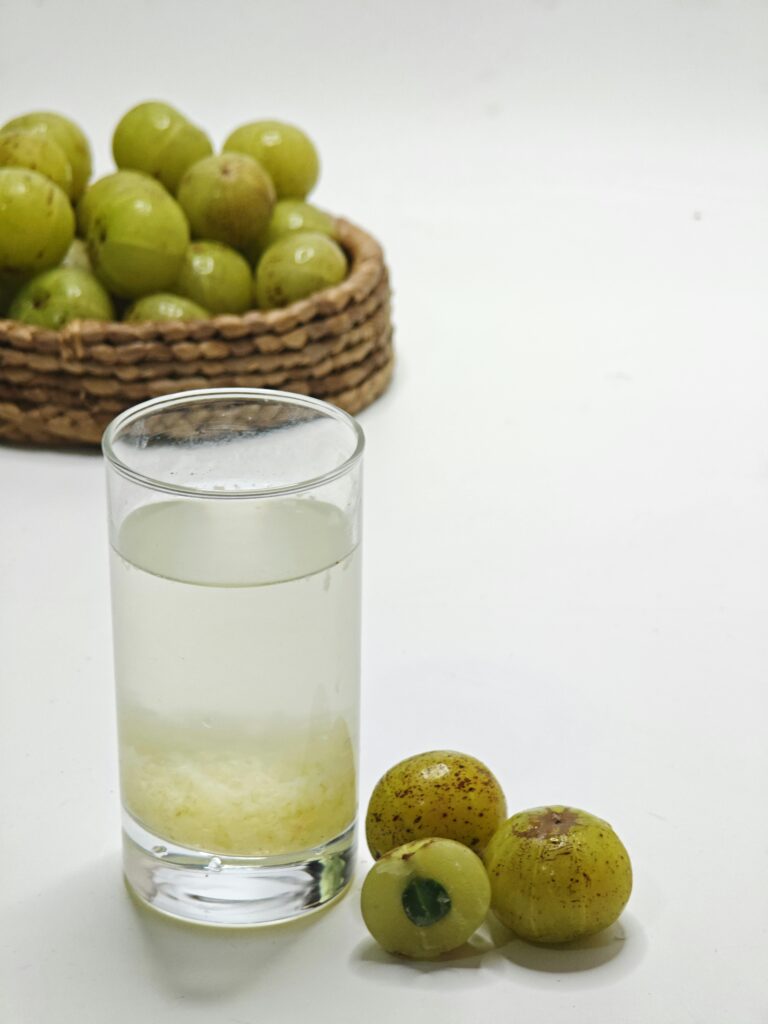

CONCLUSION – Oxide forms are the least absorbable, chelated minerals offer a middle ground, and food‑bound minerals tend to be the most body‑friendly.
Minerals – Oxides vs Chelated vs Food Bound
Minerals vary widely in how well the body can absorb them, depending on whether they’re synthetic, chelated, or naturally food‑bound.
| FEATURE | OXIDES/SULFATES | CHELATED MINERALS | FOOD BOUND MINERALS |
| Examples | Magnesium Oxide | Magnesium Glycinate | Seaweed Iodine |
| Absorption | Low | Moderate – High | High |
| Digestive tolerance | Can cause discomfort | Gentler | Very gentle |
| Co-factors | None | None | Naturally present |
Omega‑3 — Fish Oil vs Algae Oil
Omega‑3 supplements come from two main sources, each with its own benefits and considerations.
| FEATURE | FISH OIL | ALGAE OILD |
| Source | Oily Fish | Marine algae |
| Purity | Varies | Naturally clean |
| Sustanability | Depends on fishing | Highly sustainable |
| Oxidation Risk | Higher | Lower |
| Suitability | Not vegan | Vegan friendly |

CONCLUSION – Fish oil is traditional and widely used, while algae oil offers a cleaner, more sustainable, plant‑based alternative.

Additives, Fillers & Binders
Beyond the active nutrients, supplements often contain additional ingredients that influence how they’re made and how the body responds.
| ADDITIVE TYPE | EXAMPLES | PURPOSE | CONSIDERATIONS |
| Binders | Microcrystalline cellulose, PVP | Holds tablets together | May affect breakdown |
| Fillers | Maltodextrin, talc | Bulk out tablets | Gut irritation, quality concerns |
| Coatings | Titanium dioxide, PEG | Smooth finish, colour | Safety debates |
| Preservatives | Sodium benzoate, BHT | Shelf life | Sensitivity concerns |
CONCLUSION – Additives help manufacturers create stable, uniform products, but some people prefer to minimise them for gentler digestion and greater transparency.
FINAL THOUGHTS
Understanding supplements isn’t about fear — it’s about clarity. When you know the difference between synthetic and food‑based nutrients and when you understand what’s inside a supplement beyond the label, you’re empowered to make choices that feel aligned with your values, lifestyle and wellbeing.