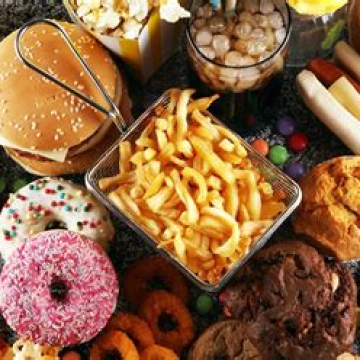
How many of us can say what an ultra processed food is?
Ultra processed foods make up a huge part of the modern diet, yet most people don’t really know what they are.
And honestly, it’s not their fault.
Clever packaging, convenience and constant marketing have made ultra processed foods (UPFs) feel normal,
even when they’re anything but.
It’s important to understand that processing itself isn’t the problem.
Chopping, freezing, fermenting and cooking are all forms of processing that help make food safer, tastier or easier to store.
Ultra‑processing is different.
UPFs are foods that have been broken down, re‑engineered and rebuilt using additives, industrial ingredients and techniques that change how your body recognises and responds to them.
They often contain
– emulsifiers and stabilisers
– artificial flavours and colours
– preservatives
– refined starches and sugars
– industrial fats
– ingredients you wouldn’t use in a home kitchen
These products are designed to be hyper‑palatable, long‑lasting and cheap to produce, but the trade‑off is that they usually offer very little of what your body actually needs and a lot of what it doesn’t.
Why Ultra Processed Foods Are Everywhere
UPFs didn’t take over by accident. They fit perfectly into the pressures of modern life
Convenience — quick, portable, ready in minutes
Low cost — cheap to manufacture and buy
Long shelf life — less waste, more profit
Aggressive marketing — health claims, bright packaging, “better‑for‑you” messaging
Engineered flavours — designed to keep you coming back
Over time, these foods became the default option, not because people chose them intentionally,
but because the food environment nudged them in that direction.
How UPFs Affect the Body
The impact of UPFs goes beyond calories or “junk food.” Ultra‑processing changes how your body interacts with food
Brain – engineered flavours can override natural hunger and fullness cues
Gut – certain additives may disrupt the microbiome
Metabolism – UPFs are often easier to digest, affecting how energy is used and stored
Blood sugar – refined ingredients can cause faster spikes and crashes
This isn’t about fear
It is about understanding how these foods are built and why they behave differently in the body.
What Eating “Less UPFs” Actually Looks Like
You don’t need to be perfect. Small, realistic shifts make a big difference:
Choose products with shorter, recognisable ingredient lists
Swap one UPF snack for a whole‑food option you enjoy
Add something fresh to UPF‑heavy meals
Cook one extra meal at home each week
Read labels with curiosity, not judgement
This is about awareness and empowerment – not restriction.
The Takeaway
Ultra‑processed foods are everywhere because the modern food system is built around them.
Once you understand what UPFs are and how they’re designed,
you can start making choices that support your long‑term health, energy and wellbeing.
Awareness gives you back control.
If you’re curious to dig deeper, the Live Beyond the Label Library is the perfect place to explore.
Each topic has its own in‑depth guide, written to help you understand the why behind the products we use every day.
Inside, you’ll find expanded explanations, ingredient breakdowns, practical examples and research‑led insights
across areas like ultra‑processed foods, additives, supplements and everyday household essentials.
It’s a calm, empowering space designed to help you learn at your own pace
and feel more confident every time you pick something up off the shelf.