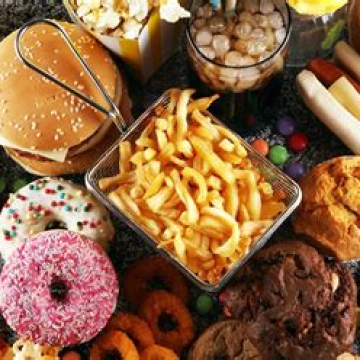
The Science Behind the “UPF Effect”. Read on to find out why UPFs make you hungrier!
Have you ever eaten something that seemed healthy? A protein bar, a “light” yoghurt, a low‑fat snack or high‑fibre cereal — only to feel hungry again an hour later?
That isn’t a lack of willpower – It’s not you “failing” – It’s biology.
And it’s one of the most consistent patterns researchers see with ultra‑processed foods (UPFs).
UPFs are engineered to be hyper‑palatable, meaning they are designed to make you want more, but the real story goes deeper than taste. UPFs interact with your digestion, hormones and even your brain in ways that make it harder to feel satisfied and easier to overeat.
Let’s break down what’s actually happening.
– UPFs Digest Faster — So Hunger Returns Sooner
Whole foods take time to break down. Fibre, intact cell structures and natural water content slow digestion and help you feel full for longer.UPFs are the opposite, they are often made from refined starches, isolated proteins and added sugars. * Their natural structure has been broken down during manufacturing. * They move through the stomach and small intestine quickly.This rapid digestion causes: * A fast rise in blood sugar * A fast drop in blood sugar shortly afterThat drop is what triggers rebound hunger, the “I just ate, why am I starving again?” feeling.
– They Don’t Activate Satiety Hormones in the Same Way
Your body relies on hormones like GLP‑1, PYY and CCK to signal fullness.Whole foods especially those rich in fibre, protein and healthy fats stimulate these hormones effectively.UPFs don’t, because they digest so quickly and lack structural complexity, they: * Spend less time in the stomach * Trigger weaker hormonal responses * Create a “calorie‑dense but nutrient‑light” effectYou eat more before your body realises it’s had enough.
– Hyper‑Palatability Overrides Natural Appetite Regulation
UPFs are designed to hit the brain’s reward system hard.Manufacturers combine: * Sweetness * Salt * Fat * Flavour enhancers * Soft, melt‑in‑the‑mouth texturesThis combination creates what researchers call “reward synergy,” a level of stimulation that whole foods don’t produce.The result: * You eat faster * You eat more * You feel less satisfiedYou’re more likely to crave the same foods again, this isn’t a personal failing, it’s a predictable biological response.– Additives Can Influence Gut Health And Appetite
Some additives commonly found in UPFs may affect the gut microbiome, which plays a major role in appetite regulation. Research has explored the impact of: * Emulsifiers (used for texture and shelf stability) * Artificial sweeteners * Flavour enhancers * Thickening agentsEmerging evidence suggests these may influence: * Gut barrier function * Inflammation * Microbial diversity * Hunger and fullness signallingWhile research is ongoing, the pattern is clear, the more disrupted the gut environment, the harder it is for the body to regulate appetite naturally.– UPFs Encourage “Passive Overeating”
UPFs are soft, quick to chew and easy to swallow, therefore you can consume a lot of calories before your body catches up.Studies show people eat 20–30% more calories when given UPFs compared to minimally processed foods, even when meals are matched for calories, macronutrients and taste.This is called passive overeating, eating more without intending to.– It’s Not About Blame, It’s About Understanding
The most important message – You are not the problem! UPFs are designed to override your natural biology. UPFs are designed to override your natural biology. Once you understand that, everything changes. * You stop blaming yourself for feeling hungry “too soon”. * You recognise cravings as a biological response, not a lack of discipline. * You can make choices with clarity instead of guilt. This is the heart of Live Beyond the Label, empowering you with transparency, not fear.How to Reduce the UPF Hunger Effect (Without Perfection)
You don’t need to cut out UPFs entirely. Small shifts make a big difference.Try: * Adding fibre (fruit, veg, oats, beans) to UPF‑heavy meals * Choosing snacks with protein + fibre together * Including healthy fats to slow digestion * Swapping one UPF per day for a whole‑food alternative * Eating more slowly to give satiety hormones time to respondIt’s about balance, not restriction.
If this topic resonates, you may want to explore Live Beyond the Label’s Library, where I unpack how marketing shapes our decisions and how small, realistic swaps can support your health without restriction. It’s a great next step if you’re looking to feel more empowered and less overwhelmed.
Research & Transparency
Live Beyond the Label is committed to clarity, honesty, and evidence‑led information.
All content is based on publicly available research from reputable organisations such as the WHO, NHS, FAO, BMJ, EFSA, and Harvard. This content is for general awareness only and is not medical advice.
Further Reading
British Medical Journal (BMJ) – UPFs & Appetite