What are Ultra Processed Foods?
Ultra‑processed foods (UPFs) are everywhere.
They make up a huge part of the modern diet, yet most people don’t really know what they are and honestly, it’s not their fault.
Packaging, marketing and convenience have made UPFs feel normal, even when they’re anything but.
This page explains what UPFs are, how they differ from other processed foods and why understanding them can help you make more confident choices for yourself and your family.
Research links are included throughout so readers can explore the science for themselves.
NOT ALL PROCESSING IS BAD.
Processing isn’t the enemy.
Many forms of processing are essential for safety, nutrition and practicality.
The steps below help preserve food, make it safe to eat or simply make it easier to prepare.
Examples of everyday processing
– Chopping
– Freezing
– Fermenting
– Cooking.
ULTRA PROCESSING, HOWEVER IS DIFFERENT
What makes food ultra processed?
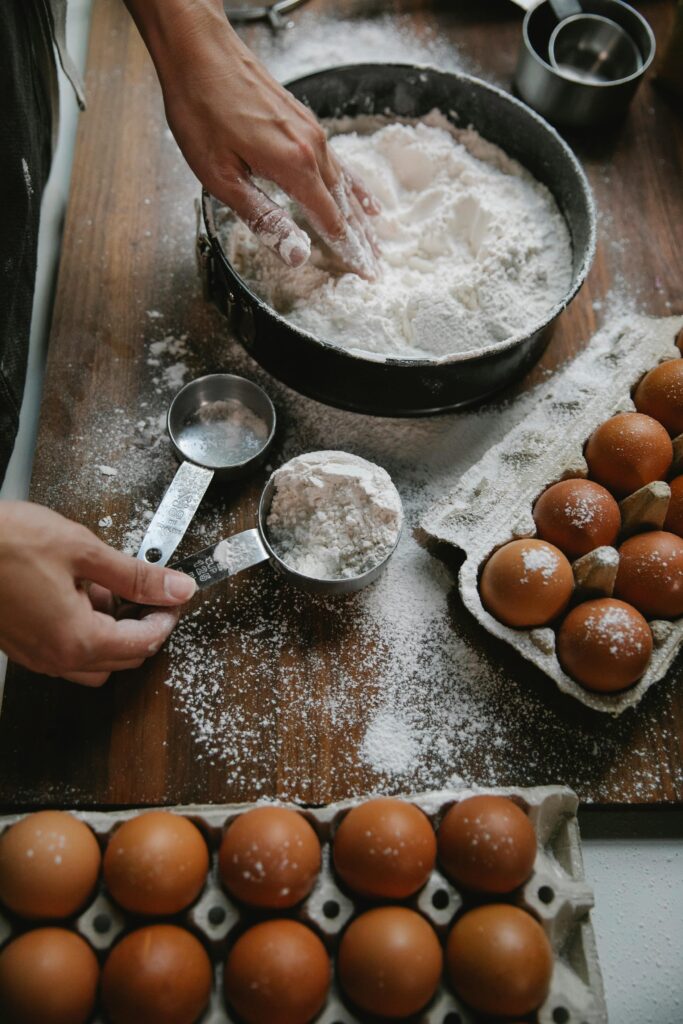
A UPF isn’t just a food that has been altered, it is a food that has been
– broken down – re‑engineered – rebuilt –
using ingredients and techniques you would never use at home.
UPFs typically include
– Additives
– Artificial flavours and colours
– Stabilisers and emulsifiers
– Industrial processing methods
These ingredients and techniques change how your body recognises and responds to the food.
Why This Matters
UPFs are designed to be:
– Hyper‑palatable
– Long‑lasting
– Cheap to produce
But the trade‑off is that they often contain
very little of what your body actually needs and a lot of what it does not.
HOW UPFs ARE A MADE
Ultra‑processing usually involves several industrial steps, such as:
* Breaking whole foods down into isolated components (starches, oils, proteins)
* Adding flavourings, colourings and texturising agents
* Reconstructing these components into a new product
The result is a food that may look and taste appealing but is far removed from its original ingredients.
HOW TO SPOT A UPF
A simple rule of thumb:
If the ingredient list includes items you wouldn’t cook with at home, it’s likely ultra‑processed.
Look out for:
Artificial sweeteners
Flavour enhancers
Emulsifiers and stabilisers
Modified starches
Hydrogenated oils
COMMON EXAMPLES OF UPFs
UPFs appear in almost every aisle of the supermarket. Examples include:
* Sugary breakfast cereals
* Soft drinks and energy drinks
* Ready meals
* Instant noodles
* Packaged snacks (crisps, biscuits, bars)
* Processed plant‑based meat alternatives
* Sweetened yoghurts and flavoured dairy drinks
this isn’t about perfection – it’s about awareness
Making More Conscious Choices
Practical ways to reduce UPFs:
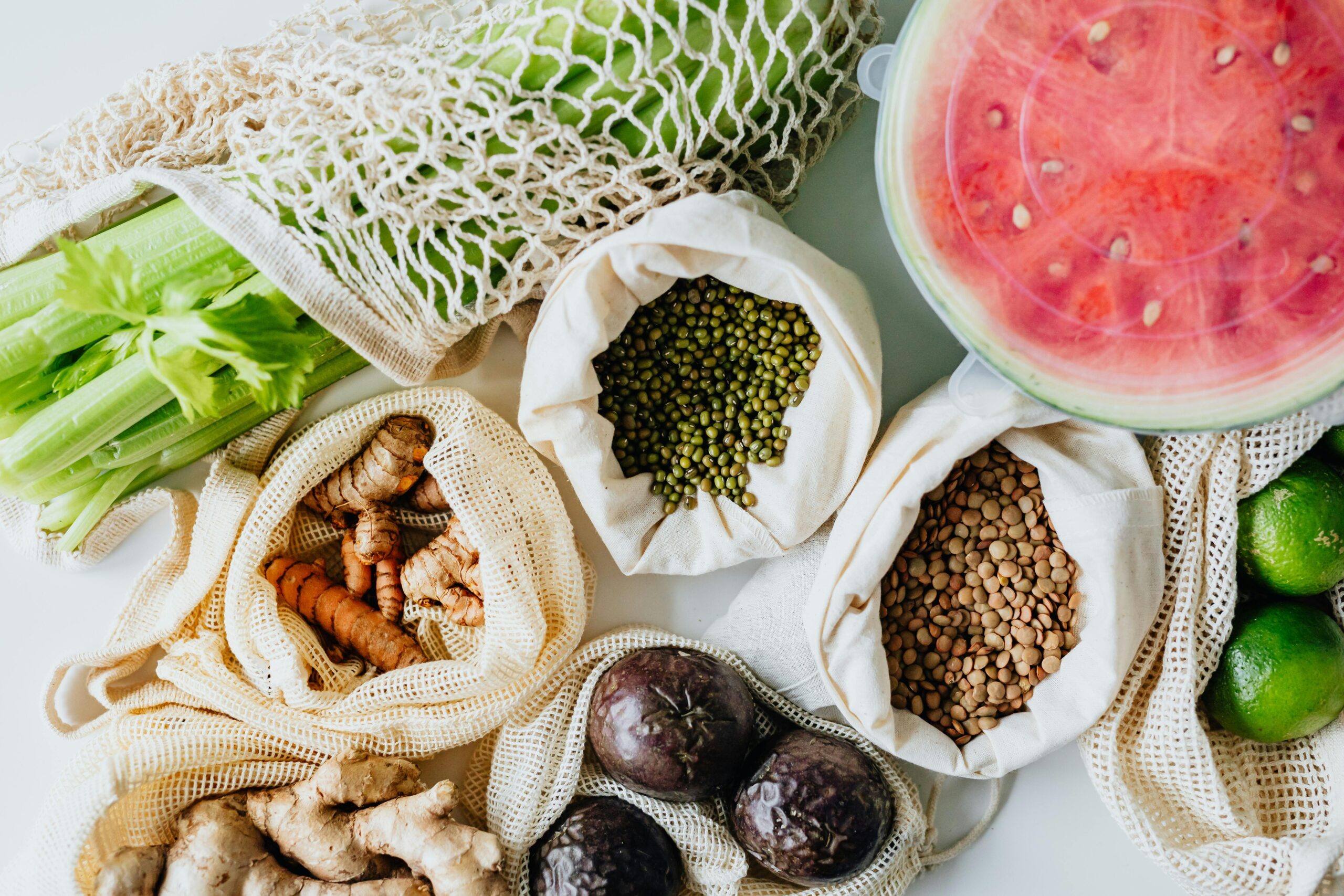
– Choose whole or minimally processed foods when possible
– Cook simple meals with basic ingredients
– Swap sweetened drinks for water or herbal teas
– Keep whole‑food snacks on hand (fruit, nuts, yoghurt)
– Read labels with curiosity, not fear
Small, sustainable changes can make a meaningful difference.