Every product has a story – Let’s explore those Origins.
Provenance and Transparency reflect the product’s story –
– of where it came from – who made it – how it was produced –
– the journey it took before reaching our homes –
Yet in today’s world of complex supply chains, global sourcing and sophisticated marketing, much of that story remains hidden from view.
At Live Beyond The Label, we believe consumers deserve more than carefully crafted branding and reassuring marketing claims.
We believe people should have access to clear, honest information that allows them to understand what they’re buying and whether it aligns with their values.
Provenance & Transparency sits at the very heart of the Live Beyond The Label mission.
This is where we go beyond ingredients and packaging to explore the origins, supply chains and production methods behind the products we buy every day.
It’s where we ask questions, challenge assumptions and uncover the stories often left untold.
Because understanding what you consume starts with understanding where it came from.
What Does Provenance Really Mean?
Provenance is often associated with quality products, artisan producers and premium branding. But at its core, provenance is about something much simpler.
It’s about knowing the origin of a product.
– Where was it grown? – Where was it produced? – Who made it? –
– Where were the ingredients sourced? – Where were the ingredients sourced? –
– What journey did it take before arriving on a shelf? –
The more we understand these details, the more informed our choices become.
For centuries, provenance was something consumers largely understood.
Communities bought food from local farmers, fish from local ports and goods made by local craftspeople.
The connection between producer and consumer was often direct.
Today, supply chains stretch across continents.
Ingredients can pass through multiple countries, processing facilities and distribution networks before
becoming a finished product.
As a result, consumers are often left with very little understanding of what sits behind the packaging.
This section aims to change that.
The Story Behind the Product
Most brands are excellent at telling us why we should buy their products.
Far fewer help us understand how those products came to exist in the first place.
Behind every item on a shelf is a sequence of decisions:
• Where ingredients were sourced
• How they were processed
• Which manufacturers were involved
• How materials were transported
• How products were packaged
• How they ultimately reached the consumer
These decisions shape not only the final product but also its environmental impact, its connection to local communities and its overall transparency.
Live Beyond The Label isn’t interested in marketing stories.
We’re interested in the real stories.
The stories behind the product.
Food Miles – Understanding the Journey
One of the most visible examples of provenance is food miles.
Food miles refer to the distance a product travels from its place of origin to the point of sale.
While food miles represent only one part of a product’s environmental impact, they can tell us a great deal about how our food systems operate.
Many products now travel thousands of miles before reaching consumers.
Fruit can be grown in one country, processed in another, packaged elsewhere and finally shipped to supermarket shelves in the UK.
For consumers, this often raises important questions:
Why has this product travelled so far?
Could a similar alternative be sourced closer to home?
What impact does transport have on freshness, sustainability and local economies?
At Live Beyond The Label, we believe these are valid questions worth exploring.
Not to promote guilt or perfection, but to promote awareness.
– Because every product has a journey – And every journey has an impact –
Country of Origin: What Does It Really Tell Us?
Many consumers look for country of origin information when making purchasing decisions.
It feels straightforward.
A product says it comes from a particular country and we assume we understand where it originated.
The reality is often more complex.
A product may be:
• Produced in one country
• Processed in another
• Packaged in a third
• Manufactured using ingredients from multiple regions around the world
As consumers become increasingly conscious of quality, sustainability and sourcing practices, understanding country-of-origin claims becomes more important than ever.
Throughout this section, we’ll explore how origin claims are used, what they mean in practice and how consumers can better interpret the information they’re given.
Because country of origin isn’t always the full story.
Sometimes it’s only the beginning.
Supply Chains – The Hidden Story
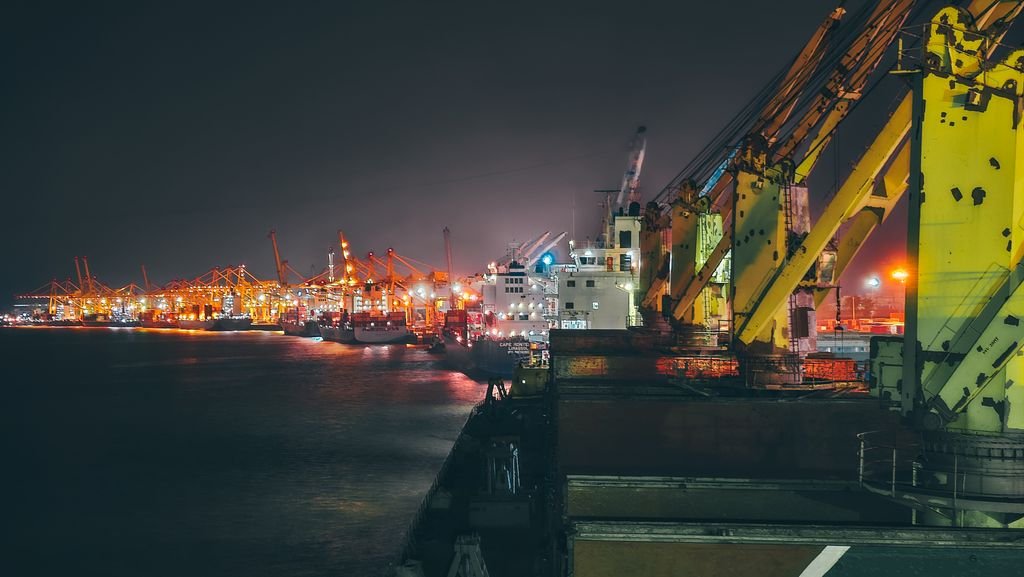
Most consumers never see a supply chain.
We see the finished product.
Not the journey.
Yet supply chains influence almost everything about the products we buy.
They affect:
• Sustainability
• Traceability
• Quality
• Cost
• Labour practices
• Environmental impact
• Product transparency
A product may appear simple on the surface while involving an incredibly complex global network behind the scenes.
Understanding supply chains helps us appreciate both the challenges and opportunities within modern production systems.
It also helps us recognise the difference between businesses that prioritise transparency and those that provide very little visibility into how their products are created.
At Live Beyond The Label, we believe supply chains shouldn’t be invisible.
The more consumers understand them, the more empowered they become.
How Products Are Made
One of the recurring themes throughout
Live Beyond The Label is curiosity.
– Not fear.
– Not perfection.
– Curiosity.
When we pick up a product, we encourage consumers to ask –
– How was this made?
– What happened before it reached this shelf?
– What processes were involved?
– What ingredients were altered, extracted, concentrated, refined or combined?
These questions become particularly important when examining modern food systems and the growing role of ultra-processed products within everyday diets.
Many products marketed as natural, wholesome or healthy may have undergone extensive processing before reaching the consumer.
That doesn’t automatically make them good or bad.
But it does mean consumers deserve to understand the manufacturing journey behind the finished product.
The goal is not to create anxiety around food.
The goal is to create awareness.
Because understanding how products are made allows consumers to make decisions that align with their own values and priorities.
Understanding Sourcing Claims
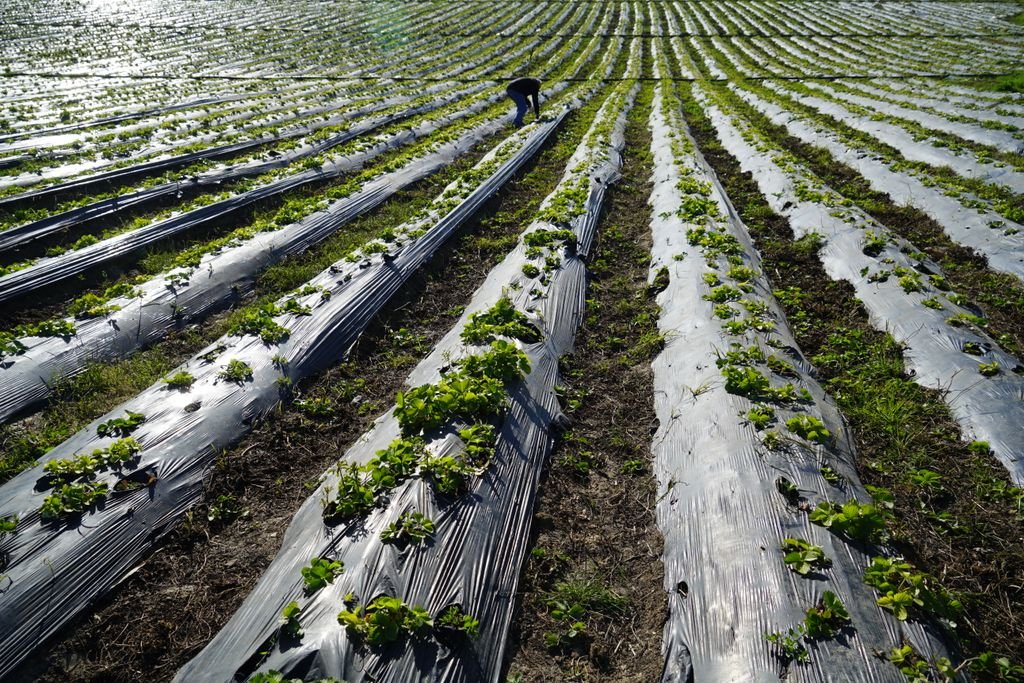
Today’s consumers are surrounded by claims such as –
Locally sourced.
Responsibly sourced.
Ethically sourced.
Sustainably sourced.
Naturally sourced.
These phrases appear everywhere.
But what do they actually mean?
And how consistently are they applied?
One of our goals is to explore the language brands use and help consumers better understand the claims they encounter.
We will ask questions such as –
• What qualifies as locally sourced?
• How transparent is the sourcing information provided?
• Does the claim reflect the whole product or just part of it?
• How much detail is available to support the statement?
Consumers are increasingly seeking transparency.
We believe they deserve clear, meaningful information rather
than vague marketing language.
What Does “Made in Britain” Really Mean?
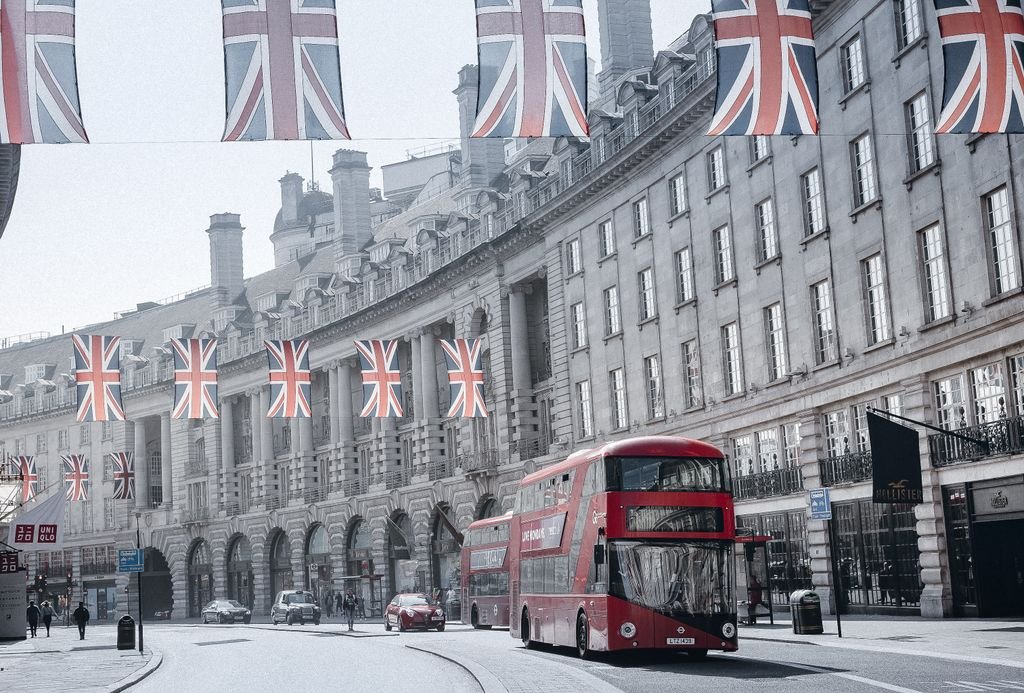
Few claims resonate more strongly with consumers than “Made in Britain.”
For many, it evokes ideas of quality, craftsmanship, local jobs and trusted standards.
But like many marketing statements, the reality can sometimes be more nuanced than it first appears.
What percentage of the product was manufactured here?
Where did the ingredients come from?
Where were the components sourced?
How much of the production process actually took place within Britain?
These are important questions for consumers who actively wish to support British businesses, local economies and domestic producers.
Throughout this section, we’ll explore what these claims mean, how they are used and what consumers should understand when evaluating products carrying British provenance.
Because supporting British businesses begins with understanding what those claims truly represent.
Transparency in an Age of Marketing
Modern consumers have access to more information than ever before.
Yet at the same time, many feel more disconnected from the origins of their products than previous generations.
In a marketplace filled with branding, health claims, sustainability promises and carefully crafted narratives, transparency matters.
People want to know:
• Where products come from
• How they are made
• What they contain
• Who produces them
• What values they support
This desire for transparency sits at the centre of the Live Beyond The Label philosophy.
We believe consumers shouldn’t have to become investigators to understand the products they buy.
We believe businesses should be proud to share their stories.
And we believe informed consumers create a stronger, more transparent marketplace for everyone.
Beyond the Label. Beyond the Marketing.
Provenance & Transparency is more than a category.
It’s the foundation upon which Live Beyond The Label is built.
Because every product tells a story.
A story of people, places, ingredients, processes and choices.
Some of those stories are celebrated.
Others remain hidden behind packaging and marketing.
Our goal is simple:
To uncover those stories – To ask better questions.
To help consumers understand what sits behind the claims, the labels and the branding.
Not so they can be told what to think.
But so they can make informed decisions for themselves.
Because the more we understand where products come from, how they are made and the journey they take before reaching us, the easier it becomes to choose products that genuinely align with our values.
And that’s what it means to Live Beyond the Label
Are you a British business, maker, artisan or manufacturer with a story to tell?
We’d love to hear from you.
- Flying the Flag for British Brands & Sustainable Living
- How Important are Our British Food and Drink Producers?
- The Truth – Investigating Wellness and Lifestyle Trends
- Why We Need British Producers and Independent Brands