What is Hexane?
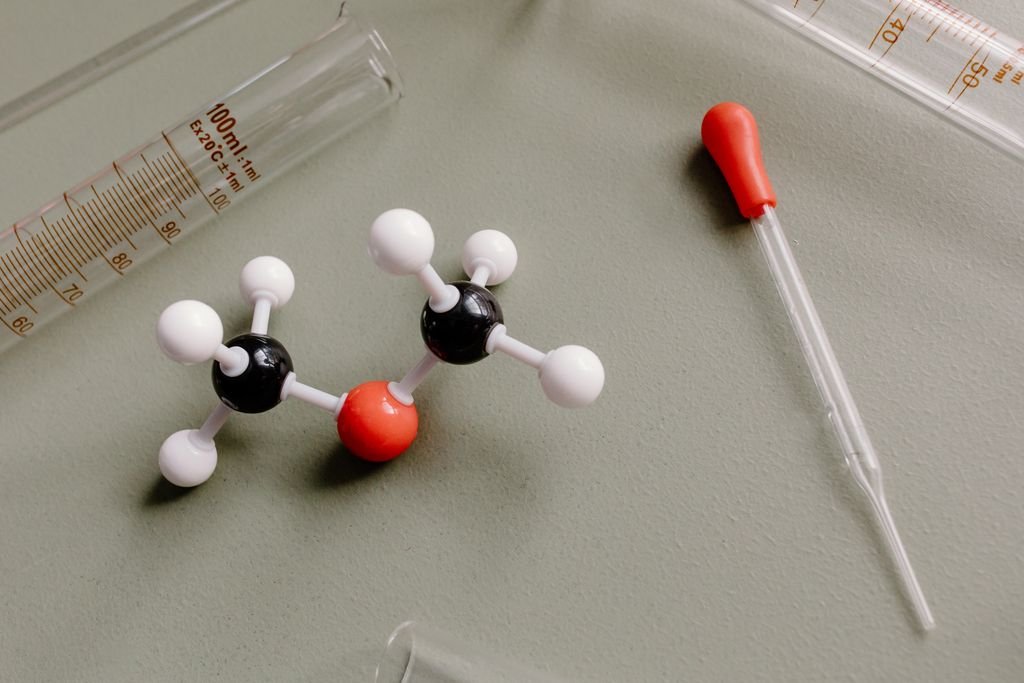
Hexane is a simple chemical made from crude oil, (the raw fossil fuel pulled from the ground).
Crude oil is a mixture of many different carbon‑based compounds called hydrocarbons, formed from ancient plants and animals over millions of years.
When oil is refined, it’s separated into different parts based on size and behaviour.
Hexane is one of the lighter fractions, a small, fast‑evaporating molecule made of just six carbon atoms and fourteen hydrogen atoms (C₆H₁₄)
Because of its structure, hexane acts like a powerful oil‑dissolving liquid. The kind of chemical that can pull fats out of solid materials.
In practical terms, this structure gives hexane a specific property. It mixes easily with oils and fats, but not with water, hence making it extremely effective at pulling oil out of solid materials.
Why do we use the chemical ‘Hexane’ to extract oil from seed.
Hexane is a petroleum‑derived liquid that evaporates quickly and is widely used in industry as a chemical solvent.
Its key feature is simple, it dissolves oils and fats extremely effectively. Because of this, it has become the standard tool for extracting oil from seeds like sunflower, rapeseed and soy.
Seed oils like sunflower, rapeseed (canola), soybean, corn, cottonseed, safflower and grapeseed are almost always extracted using hexane.
This isn’t an accident or a niche practice, it is the global standard for industrial oil production. Scary huh?
Here’s why…
Seeds Don’t Give Up Their Oil Easily
Unlike olives or avocados, which are naturally oily fruits, seeds hold onto their oil tightly. Their structure is designed to protect the embryo of the plant, not to release fat easily.
To get oil out of seeds using mechanical pressure alone, you would need:
• extremely high pressure
• multiple pressing cycles
• expensive machinery
• long processing times
Even then, 10–15% of the oil remains trapped in the seed cake.
For manufacturers, that leftover oil is lost profit.
Hexane Extracts Almost Every Last Drop
Hexane dissolves oil extremely efficiently. When seeds are washed with hexane:
• the oil dissolves into the solvent
• the mixture is heated
• the hexane evaporates
• the oil is left behind
Hexane extraction leaves less than 1% of the oil behind, a huge increase in yield compared to pressing.
This single factor is why hexane became the industry standard.
Hexane Is Cheap – Very Cheap!
Hexane is a by product of petrol refining and it is…
• abundant
• inexpensive
• easy to transport
• easy to recycle within the factory
For manufacturers producing millions of litres of oil, the cost savings are enormous.
In Comparison …
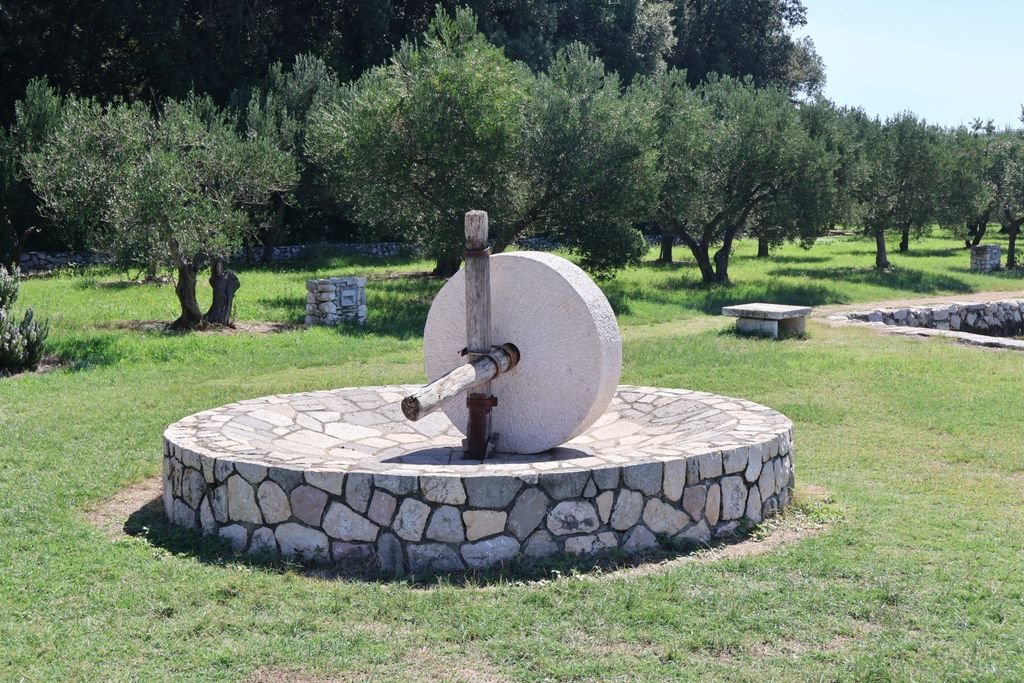
Cold pressed oils cost more because
• the yield is lower
• the process is slower
• the machinery is more expensive
• the oil cannot be refined to hide imperfections
Hexane makes seed oils cheap enough to use in ultra processed foods.
Hexane Works Fast — Perfect for Mass Production
Industrial food production relies on speed.
Hexane extraction…
• works quickly
• can run continuously
• fits into automated systems
• allows huge volumes of oil to be produced daily
Mechanical pressing cannot compete with this speed.
Hexane Allows the Use of Lower Quality Seeds
Hexane extraction can pull oil from
• damaged seeds
• low grade seeds
• seeds with inconsistent oil content
Cold pressing requires high quality seeds whereas Hexane does not.
This lowers costs even further!
Hexane Extracted Oils Are Easier to Refine
After extraction, seed oils undergo
• degumming
• neutralising
• bleaching
• deodorising
These steps remove
• flavour
• colour
• odour
• nutrients
• antioxidants
Hexane extracted oils are already stripped and uniform, making them ideal for refining into
• neutral cooking oils
• frying oils
• spreads & margarine
• processed foods
Cold pressed oils on the other hand cannot withstand this level of processing.
Hexane Supports the Ultra Processed Food Industry
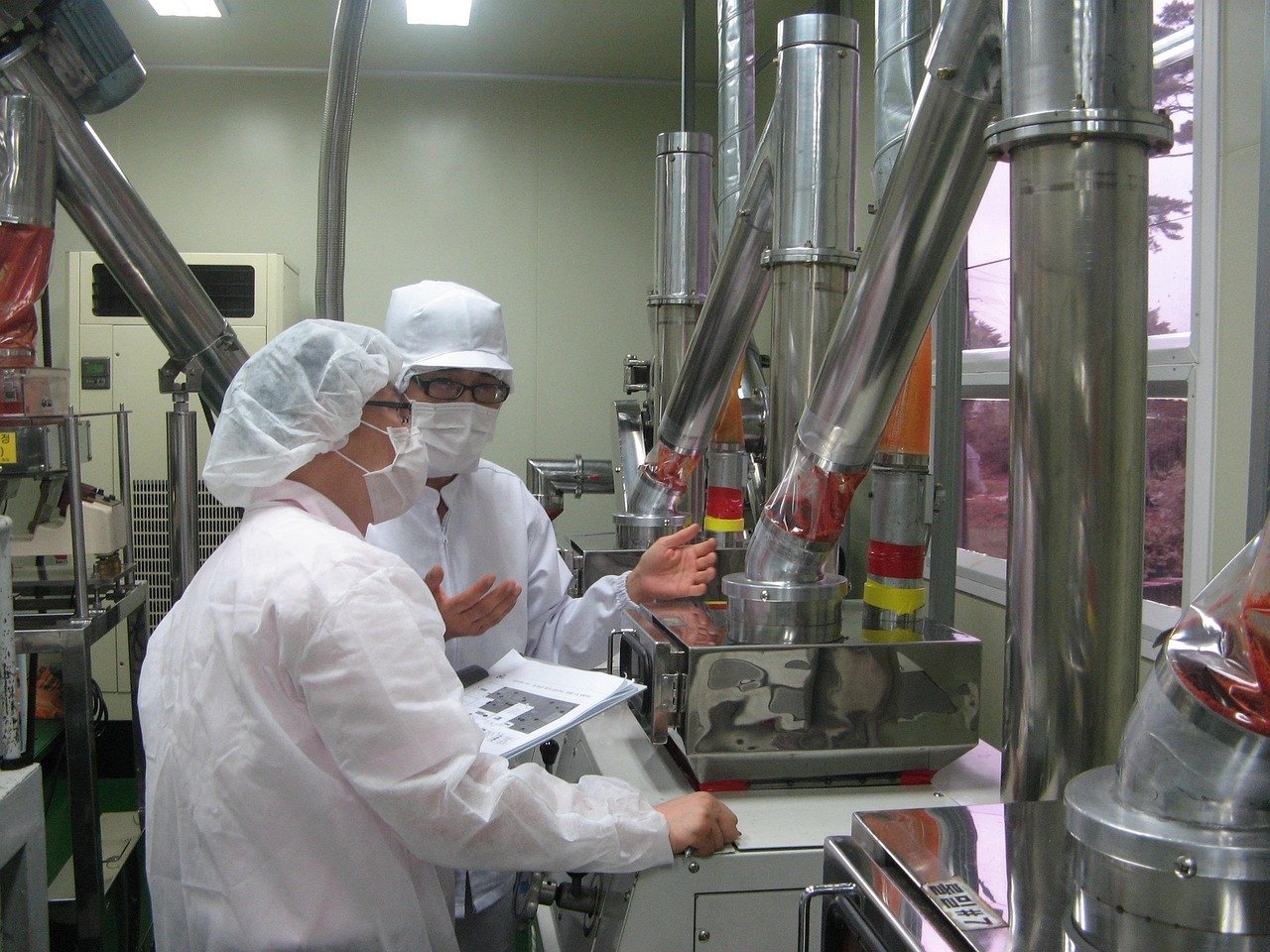
UPFs rely on cheap, neutral, shelf stable oils.
Hexane extracted oils are
• flavourless
• colourless
• odourless
• long lasting
• extremely cheap
This makes them perfect for
• biscuits, cakes and pastries
• crisps, crackers, cereal bars
• ready meals, plant based meats, margarine & spreads
• supermarket bakery items
• chocolate and confectionery
Without hexane, these foods would be far more expensive to produce.
Hexane Does Not Have to Appear on Labels
Hexane is legally classified as a processing aid, meaning…
• it does not need to be listed
• manufacturers do not need to disclose its use
• consumers cannot tell whether their food contains hexane extracted ingredients
This keeps the process invisible.
Hexane Is Not Used Because It’s Healthy.
It’s Used Because It’s Profitable
Hexane extraction is the backbone of the modern seed oil industry because it…
• maximises yield
• minimises cost
• speeds up production
• supports mass manufacturing
• creates uniform, neutral oils
• enables ultra processed foods
It is an economic decision, not a nutritional one.
The Bigger Picture: Hexane Is a Symptom of a Cost Driven Food System
Hexane is not the villain — it is a symptom of a food system built for…
• low cost
• long shelf life
• mass production
• high profit margins
Not for…
• nutrient density
• minimal processing
• optimal human health
Hexane extraction sits alongside…
• palm oil replacing dairy fats
• shea oil replacing cocoa butter
• emulsifiers replacing traditional techniques
• stabilisers replacing real ingredients
It is one of many industrial shortcuts hidden behind the curtain.
So What Should Consumers Do?
You don’t need to fear seed oils. You don’t need to eliminate seed oils. You don’t need to obsess over labels. But you can make informed choices!
You do deserve to understand:
• how oils are made
• how hexane extraction works
• how refining changes oils
• how regulatory thresholds are set
• how to choose oils that support long term health
This is the heart of Live Beyond the Label: not fear — awareness not restriction — understanding not elimination — informed choice
Choose more often…
• extra virgin olive oil
• cold pressed unrefined rapeseed oil
• cold pressed unrefined avocado oil
• cold pressed unrefined flaxseed oil
• chocolate made with cacao, milk & raw cane sugar
• foods with simple, recognisable ingredients
Reduce (not eliminate)…
• foods listing “vegetable oil” without specifying the type
• mass market chocolate
• plant based meats made with soy isolates
• ultra processed snacks
• supermarket bakery items
This is Informed Reduction – Not Restriction.
This is the heart of Live Beyond the Label.
Not Fear – Awareness not Restriction -Understanding not Elimination – Informed Choice