Most people have never heard of hexane, yet it plays a major role in the modern food system. If you eat packaged foods, supermarket baked goods, plant based products or anything containing “vegetable oil,” you’re almost certainly consuming ingredients extracted with hexane even though it never appears on the label.
This article explains what hexane is, why the food industry uses it, how it ends up in everyday foods and how to make informed choices without fear or restriction.
What Is n-Hexane (Hexane & Hexyl hydride)?
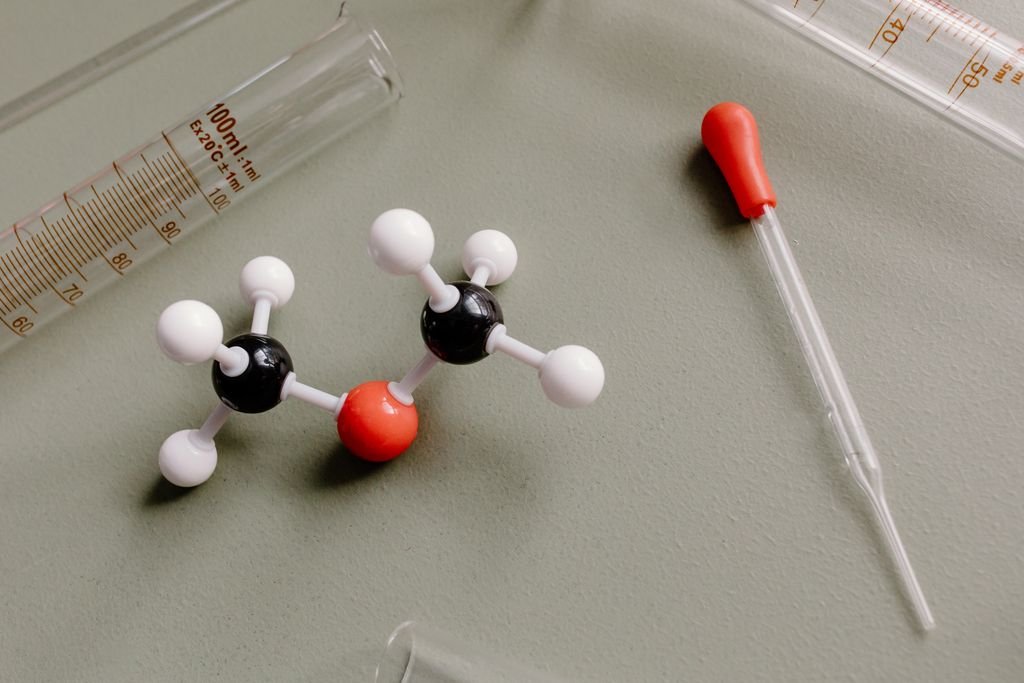
n-Hexane is a highly flammable, colourless liquid. Other common names for n-hexane are hexane and hexyl hydride. n-Hexane is naturally present in crude oil and natural gas, and is a constituent of heating and motor fuels refined from petroleum.
n-Hexane is a petroleum derived solvent used to dissolve oils and fats. It is colourless, odourless and extremely effective at pulling oil out of seeds, nuts and plant material.
It is legally classified as a processing aid, which means…
• it does not have to appear on ingredient labels
• manufacturers do not need to disclose its use
• consumers have no way of knowing whether their food contains hexane extracted ingredients
Hexane is not used because it makes food healthier. It is used because it makes food cheaper.
Why the Food Industry Uses Hexane
Hexane is used because it is…
• highly efficient
• extremely cheap
• fast and scalable
• able to extract almost all remaining oil from seeds
Mechanical pressing alone leaves 10–15% of the oil behind. Hexane extraction reduces that to less than 1%.
For large manufacturers, that difference is worth billions.
This is why the majority of global vegetable oil production relies on hexane extraction.
How Hexane Extraction Works
1. Seeds are ground into flakes.
2. Hexane is washed over the flakes to dissolve the oil.
3. The hexane oil mixture is heated to evaporate the hexane.
4. The oil is refined, bleached and deodorised (RBD).
5. Trace residues remain in the final product.
Hexane is not a single pure chemical, “technical hexane” is a mixture of hydrocarbons, with hexane being the most concerning due to its neurotoxic effects at high exposure levels.
Foods That Commonly Contain Hexane Extracted Oils
Hexane extracted oils appear in thousands of everyday foods. Here are the main categories.
1. Refined Vegetable Oils
Unless the label says cold pressed or expeller pressed, the following are almost always hexane extracted…
• sunflower oil
• rapeseed (canola) oil
• soybean oil
• corn oil
• cottonseed oil
• safflower oil
• grapeseed oil
These oils are the backbone of ultra processed foods.
Learn more: Cold pressed vs refined oils
2. Ultra Processed Foods
UPFs rely heavily on cheap refined oils, including..
• biscuits
• cakes
• pastries
• crackers
• crisps
• ready meals
• frozen foods
• margarine and spreads
• supermarket bakery items
• plant based meats
If the label lists “vegetable oil,” it is almost certainly hexane extracted.
Explore: What foods contain refined oils? – coming soon!
3. Chocolate & Confectionery
Hexane is used to extract…
• cocoa butter
• defatted cocoa solids
This means many mass market chocolates contain hexane extracted ingredients, even though the label never mentions it.
Learn more – How cocoa butter is extracted – coming soon!
4. Protein Products
Hexane is used to produce…
• soy protein isolate
• soy protein concentrate
• defatted soy flour
• cereal germ protein
These appear in…
• protein bars
• shakes
• cereals
• plant based meats
• meal replacements
Explore: Soy protein extraction – coming soon!
5. Flavourings & Additives
Hexane is used to extract certain:
• natural flavourings
• fragrance compounds
• colour additives
These appear in thousands of packaged foods.
Is Hexane Safe? The Regulatory Gap
Regulators say hexane residues in food are “safe.” But “safe” in regulatory terms means…
• below a threshold set by committees
• based on short term toxicity
• not based on long term metabolic health
• not based on cumulative exposure
• not tested in the context of modern diets high in refined oils
Hexane’s toxic metabolite (2,5 hexanedione) has been detected in the urine of the general population, showing that exposure is real and measurable.
No tolerable daily intake (TDI) has ever been established for hexane in food.
This doesn’t mean panic, it means awareness.
Learn more – Food safety limits explained
Why Cold Pressed Oils Avoid Hexane Entirely
Cold pressed oils use…
• mechanical pressure
• no solvents
• minimal heat
This preserves…
• antioxidants
• polyphenols
• vitamin E
• natural flavour
• omega 3 fatty acids
And avoids…
• hexane
• chemical residues
• high heat degradation
This is why cold pressed oils cost more, they are more expensive to produce and the yield is lower.
Explore – Benefits of cold pressed oils – coming soon!
The Bigger Picture: Hexane Is a Symptom of a Cost Driven Food System
Hexane is not the villain, it is a symptom of a food system built for…
• low cost
• long shelf life
• mass production
• high profit margins
Not for…
• nutrient density
• minimal processing
• optimal human health
Hexane extraction sits alongside…
• palm oil replacing dairy fats
• shea oil replacing cocoa butter
• emulsifiers replacing traditional techniques
• stabilisers replacing real ingredients
It is one of many industrial shortcuts hidden behind the curtain.
Learn more – Palm oil and ingredient downgrading – coming soon!
How to Reduce Hexane Exposure (Without Fear or Restriction)
You don’t need to eliminate anything, just make informed swaps.
Choose more often…
• extra virgin olive oil
• cold pressed rapeseed oil
• cold pressed unrefined avocado oil
• cold pressed unrefined flaxseed oil (cold only)
• chocolate made with cacao, milk, and raw cane sugar
• foods with simple, recognisable ingredients
Reduce (not eliminate)…
• foods listing “vegetable oil” without specifying the type
• mass market chocolate
• plant based meats made with soy isolates
• ultra processed snacks
• supermarket bakery items
This is informed reduction, not restriction.
Explore – Healthier oil choices – coming soon!
The Empowering Takeaway
You don’t need to fear hexane. You don’t need to eliminate seed oils. You don’t need to obsess over labels.
But you do deserve to understand…
• how oils are made
• how hexane extraction works
• how refining changes oils
• how regulatory thresholds are set
• how to choose oils that support long term health
This is the heart of Live Beyond the Label- not fear – awareness, not restriction – understanding, not elimination – informed choice