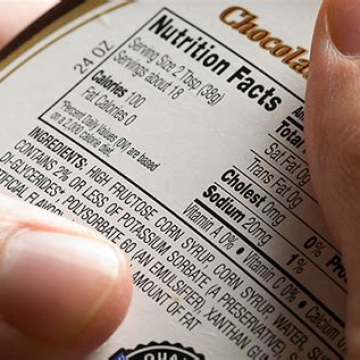
If you’ve ever looked at a label and thought, “What on earth is that?” You are definitely not alone. Read on to learn the 8 most common additives in UPFs.
Ultra processed foods are built using ingredients most of us would never keep in our kitchen cupboards and that’s exactly the point. These additives are designed to make products taste better, last longer and feel more appealing, even when the underlying ingredients are cheap or heavily refined.
Here are eight common additives found in UPFs and why understanding them helps you make more informed choices.
1. Emulsifiers Emulsifiers help ingredients that don’t naturally mix — like oil and water — blend smoothly. They’re used in everything from ice cream to supermarket bread. While they improve texture, some research suggests certain emulsifiers may affect the gut microbiome, which is why they’re worth paying attention to.
2. Stabilisers Stabilisers keep products from separating or losing their shape. Think of yoghurts that stay perfectly thick or sauces that never split. They’re functional, but they also signal that the food has been engineered to behave a certain way rather than relying on natural ingredients.
3. Artificial Sweeteners Often found in “low‑sugar” or “zero‑calorie” products, artificial sweeteners provide sweetness without the calories of sugar. They’re highly processed, and while they can reduce sugar intake, they also change how sweet foods taste and may influence appetite and cravings.
4. Flavour Enhancers These additives boost taste, especially in foods that would otherwise be bland. They’re used to create strong, crave‑worthy flavours in snacks, ready meals and instant noodles. Their purpose is simple: keep you coming back for more.
5. Preservatives Preservatives extend shelf life and prevent spoilage — essential for products designed to sit in cupboards for months. While they reduce waste, they also indicate that the food has been processed to stay “fresh” far longer than it naturally would.
6. Colourings Colourings make food look more appealing or consistent. From bright yoghurts to golden cereals, these additives help products match the colour consumers expect, even when the real ingredients wouldn’t naturally look that way.
7. Thickeners Thickeners give foods a richer, creamier texture without adding real cream or whole ingredients. They’re common in soups, sauces, desserts and plant‑based alternatives. Their job is to mimic the mouthfeel of more expensive or natural ingredients.
8. Gums Gums — like xanthan gum or guar gum — help stabilise, thicken and bind foods. They’re used in gluten‑free products, dairy alternatives and many packaged snacks. While generally considered safe, they’re another sign of heavy formulation rather than simple cooking.
Why These Additives Matter
These ingredients aren’t added for your health — they’re added for texture, taste, convenience and profit. They help manufacturers create foods that are cheap to produce, long‑lasting and highly appealing, but they also change how your body recognises and responds to food.
Understanding what these additives do helps you see why UPFs behave differently in your body compared to whole or minimally processed foods. And once you know what to look for, reading labels becomes far less overwhelming and far more empowering.
If you’re curious to explore these additives in more detail, the Live Beyond the Label Library has dedicated guides that break down what they are, why they’re used and how to spot them on labels. You’ll find clear explanations of emulsifiers, sweeteners, flavour enhancers and more — all written to help you feel confident, not overwhelmed. It’s a calm, empowering space to learn at your own pace and understand what’s really going into the foods we eat every day.
Stay in the loop
Research & Transparency – Live Beyond the Label is committed to clarity, honesty, and evidence‑led information. All content is based on publicly available research from reputable organisations such as the WHO, NHS, FAO, BMJ, EFSA, and Harvard. This content is for general awareness only and is not medical advice. Further reading for this topic is listed below.