Choosing better alternatives to reduce UPFs
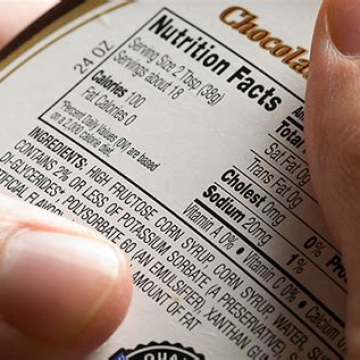
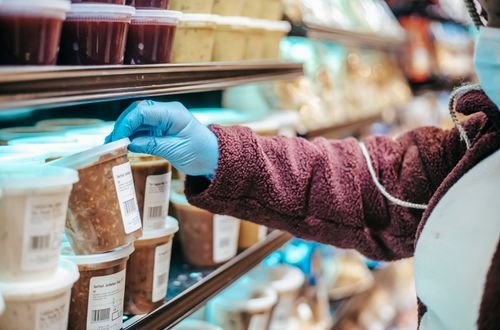
What the Food Industry Doesn’t Put on the Front of the Pack. We investigate what is behind the food label and discuss how to read one in 10 seconds. Imagine walking into any supermarket and you’ll be surrounded by products telling you how healthy they are, the food label will be marketed … “High Protein.”“Low Fat.”“Source of Fibre.”“Natural.”“Made with Whole Grains.”“Plant-Based.” The reality is that the front of the package is advertising, not education. Food manufacturers spend millions designing packaging that captures your attention and encourages you to buy. They know most people make decisions in a matter of seconds, often without ever turning the product over to…
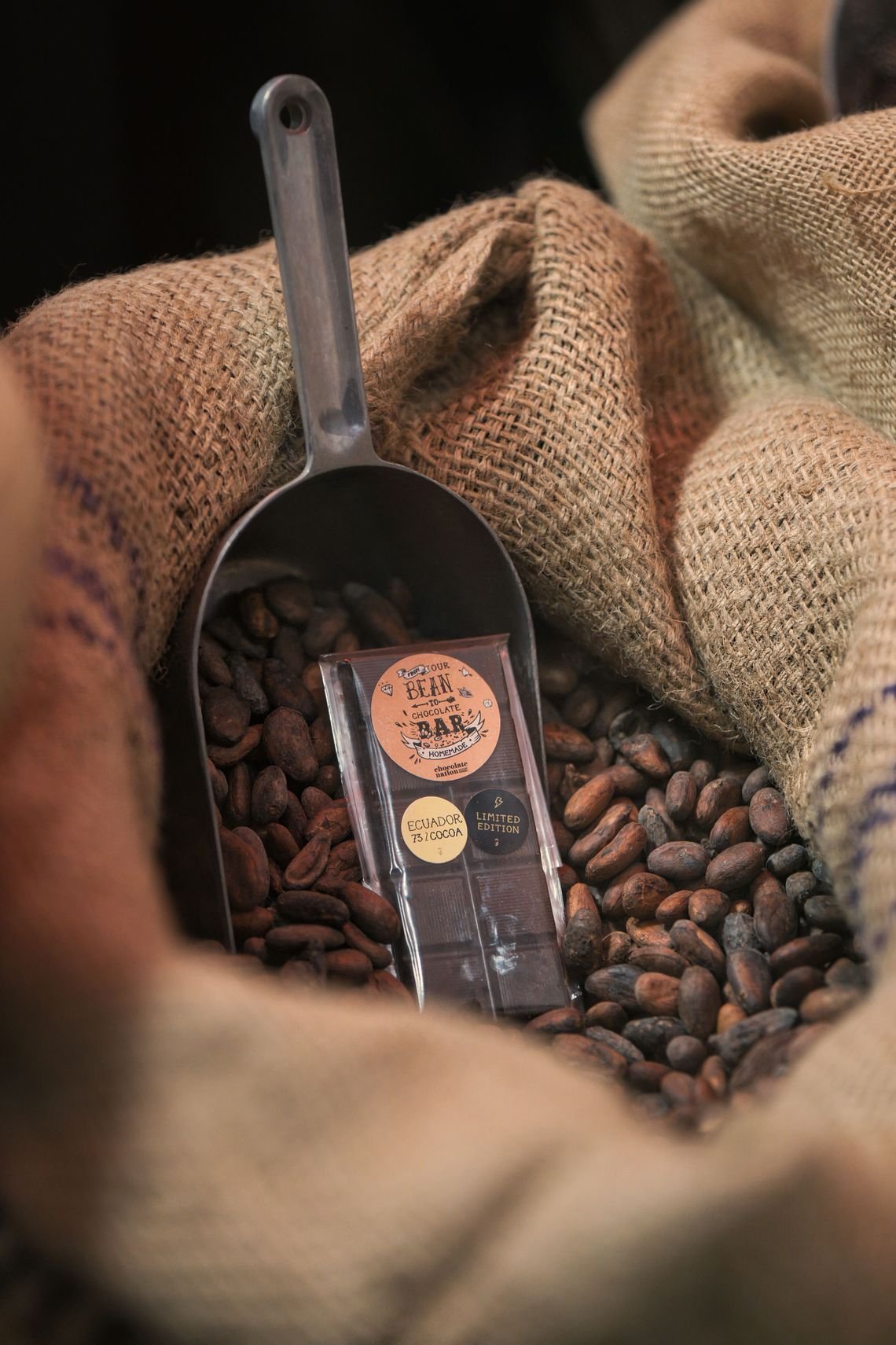
Cocoa Butter
Hexane
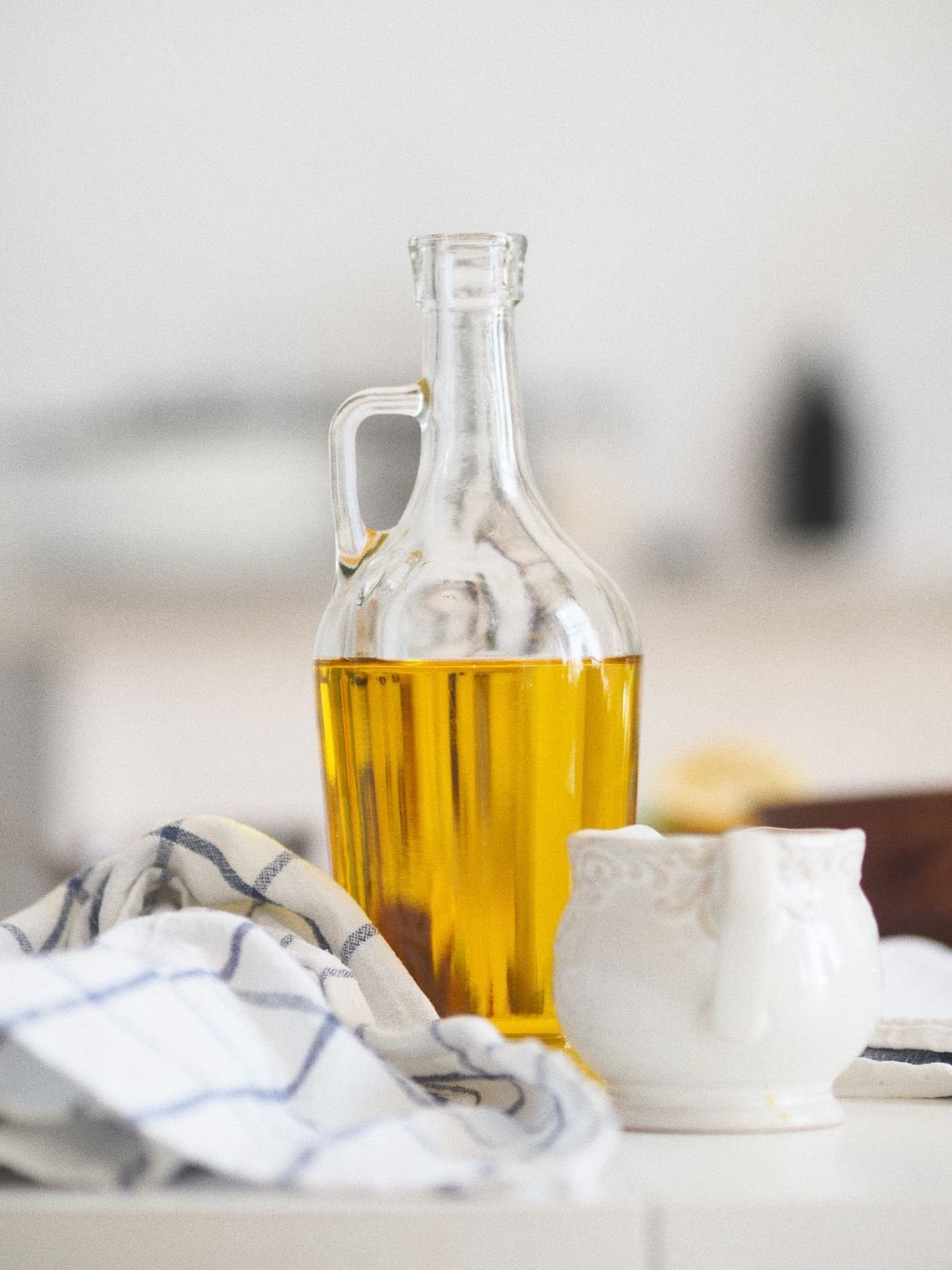
Let’s Explore the Oils we use and The Quiet Decline of Food Quality Understanding cooking oils today means understanding far more than “olive oil is good” and “seed oils are bad”. “What is meant by Cold Pressed, Unrefined Oils?” We take a look and help understand how oils are extracted, how refining changes their chemistry, how regulatory thresholds are set and how big brands quietly replace real ingredients with cheaper industrial substitutes, all while marketing stays exactly the same. This is not about fear. This is not about elimination. This is about informed reduction and reclaiming your right to know what you’re eating. How Oils Are Really Made…
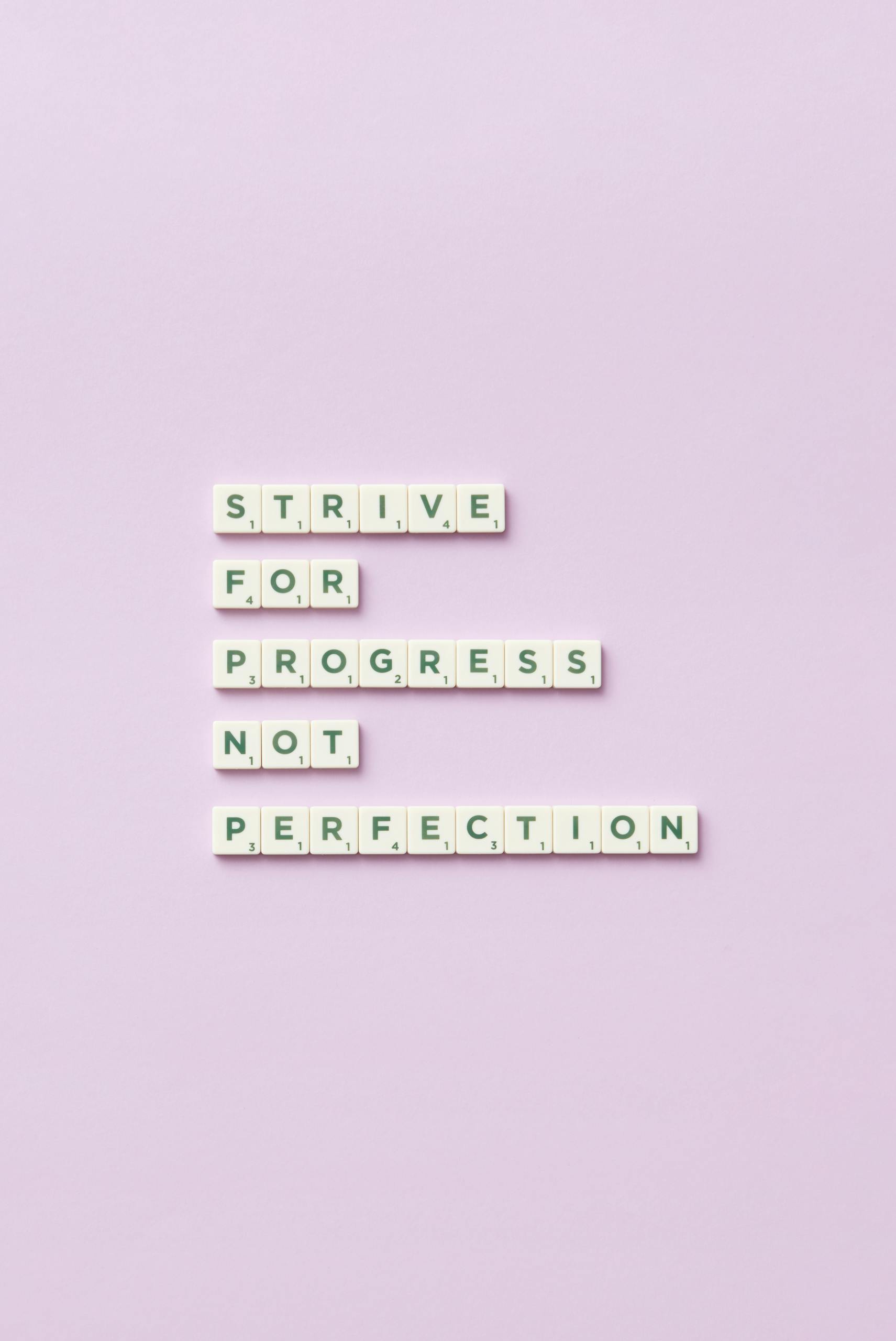
Why Reducing UPF’s is NOT about PERFECTION. Read on to see why reducing UPF’s is not about perfection and what it’s really about. Reducing UPF’s is more about Awareness, Confidence & Sustainable Change. If there’s one misconception that holds people back from improving their relationship with food, it’s the idea that reducing ultra‑processed foods (UPFs) means cutting them out completely. That’s not the goal here, not for you, not for your family and not for this movement. Perfection isn’t realistic. It isn’t necessary and it definitely isn’t helpful. Modern life is busy. Convenience matters. UPFs are everywhere – in lunchboxes, in workplaces, in social events, in the weekly…
Why front‑of‑pack promises often hide what really matters, here we explore The Truth about ‘Healthy’ Marketing Claims. Food marketing is clever, intentionally clever. Supermarkets are full of products wrapped in comforting words like “natural”, “plant‑based”, “high protein”, “low sugar” and “no artificial colours”. These phrases sound reassuring, wholesome, even responsible. They’re designed to make you feel like you’re making a good choice. However, we disclose the truth: The front of the packet is advertising. The back of the packet is the truth. A product can look healthy, ethical or “clean” on the outside while being ultra‑processed on the inside, and unless you know what to look for, it’s…
This short post gives a quick list of some Simple Food Swaps that don’t feel like a punishment. Reducing ultra‑processed foods (UPFs) doesn’t have to mean giving up convenience, flavour or the foods your family already loves. In fact, the most sustainable changes are the ones that feel almost effortless, the swaps that slide into your routine without creating friction, guilt or overwhelm. This isn’t about perfection. It’s about nudging your everyday choices in a direction that supports better energy, steadier moods and more nourishing habits over time. When you focus on better versions of what you already enjoy, the shift away from UPFs becomes surprisingly natural. Why…
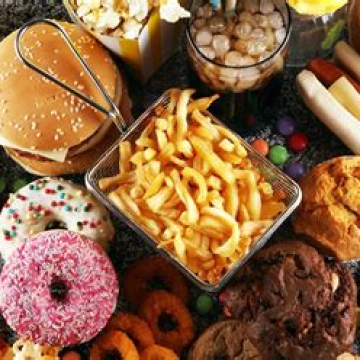
The Science Behind the “UPF Effect”. Read on to find out why UPFs make you hungrier!Have you ever eaten something that seemed healthy? A protein bar, a “light” yoghurt, a low‑fat snack or high‑fibre cereal — only to feel hungry again an hour later?That isn’t a lack of willpower – It’s not you “failing” – It’s biology.And it’s one of the most consistent patterns researchers see with ultra‑processed foods (UPFs). UPFs are engineered to be hyper‑palatable, meaning they are designed to make you want more, but the real story goes deeper than taste. UPFs interact with your digestion, hormones and even your brain in ways that make it…
What Parents Need to Know Without the Guilt Walk down any supermarket aisle and you’ll see it instantly – Children’s foods are some of the most aggressively marketed products on the shelves. Bright colours, cartoon characters, “no nasties”, “high in calcium”, “made with real fruit” etc etc, the packaging is designed to feel reassuring BUT when you turn the box around, the label often tells a very different story, full of UPFs. Many of the foods marketed specifically to children fall into the category of ultra‑processed foods (UPFs). These are products that go far beyond simple processing, they are formulated with – additives – flavour enhancers – emulsifiers…