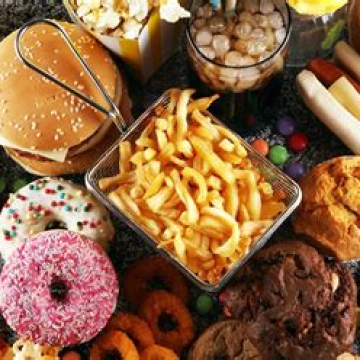
When most people think of ultra‑processed foods (UPFs), they picture fast food, fizzy drinks or microwave‑ready meals, but UPFs go far beyond the obvious. They’re woven into products that look healthy, natural or harmless, the things we throw into our trolley without a second thought.
That’s what makes them so tricky. UPFs don’t always look ultra‑processed. Many are marketed as wholesome, high‑protein, low‑fat or “better for you,” even when the ingredient list tells a very different story.
Below are ten everyday foods that often fall into the ultra‑processed category — not to scare you, but to help you see what’s really in your cupboard.
1. “Healthy” Breakfast Cereals Bright packaging, added vitamins and claims like “wholegrain” or “high fibre” can make cereals seem like a smart choice. But many are built from refined grains, sweeteners, flavourings and emulsifiers that place them firmly in the UPF category.
2. Protein Bars Marketed as fitness fuel, protein bars often contain industrial protein isolates, artificial sweeteners, gums, stabilisers and ultra‑processed coatings. They’re closer to confectionery than whole food.
3. Flavoured Yoghurts Yoghurt itself can be minimally processed — but once you add sweeteners, thickeners, stabilisers, colourings and “fruit flavour,” it becomes a UPF. Many contain more sugar than dessert.
4. Plant‑Based Meats Not all plant‑based products are equal. Many meat alternatives rely on protein isolates, flavour enhancers, colour stabilisers and industrial oils to mimic the taste and texture of meat.
5. Instant Noodles Convenient, cheap and comforting — but usually made with refined flours, flavour enhancers, preservatives and ultra‑processed seasoning packets.
6. Low‑Fat Spreads To remove fat, manufacturers often add emulsifiers, stabilisers and artificial flavours to recreate the texture of butter. The result is a highly engineered product.
7. Supermarket Bread Many packaged breads contain emulsifiers, preservatives, stabilisers and processing aids that extend shelf life and create a uniform texture. Even “wholemeal” versions can be ultra‑processed.
8. Flavoured Waters They seem harmless, but many flavoured waters contain artificial sweeteners, acids, colourings and flavourings — making them more processed than they appear.
9. Kids’ Snacks and Fruit Rolls Often marketed as “made with real fruit,” these snacks are usually concentrated fruit purees, sugars, gelling agents and flavourings shaped into fun forms.
10. High‑Protein Puddings and Shakes A booming trend — but most rely on protein isolates, sweeteners, gums, stabilisers and artificial flavours to create that thick, dessert‑like texture.
Why This Matters (and Why It’s Not About Perfection)
The point isn’t to make you feel guilty or to throw everything out. It’s simply to help you recognise how normalised UPFs have become — even in foods that appear healthy or “clean.”
Awareness is powerful. Once you know what to look for, you can start making choices that feel better for your body, your budget and your lifestyle.
Small shifts add up:
– choosing products with shorter ingredient lists
– swapping one UPF snack for a whole‑food option
– adding something fresh to a processed meal
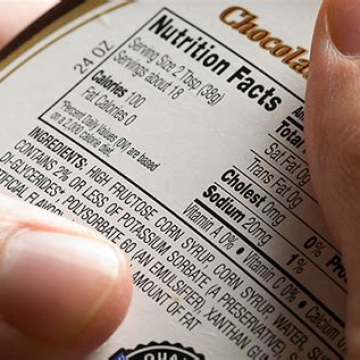
– reading labels with curiosity, not judgement
This is about understanding, not restriction.
Want to Explore This Topic More Deeply?
If this list has sparked your curiosity, the Live Beyond the Label Library is a great place to explore next. Each topic has its own in‑depth guide, breaking down ingredients, additives, food marketing tactics and the science behind ultra‑processed foods in a clear, empowering way. You’ll find practical examples, label‑reading tips and deeper explanations that help you understand why everyday items — even the ones that look healthy — often fall into the UPF category. It’s a welcoming space to learn more, build confidence and make choices that feel right for you and your family.
Stay in the loop
Research & Transparency
Live Beyond the Label is committed to clarity, honesty, and evidence‑led information. All content is based on publicly available research from reputable organisations such as the WHO, NHS, FAO, BMJ, EFSA, and Harvard.
This content is for general awareness only and is not medical advice.
Further reading for this topic is listed below.
Further Reading:
• British Heart Foundation – UPFs Explained
• The Guardian – UPFs in Everyday Diets