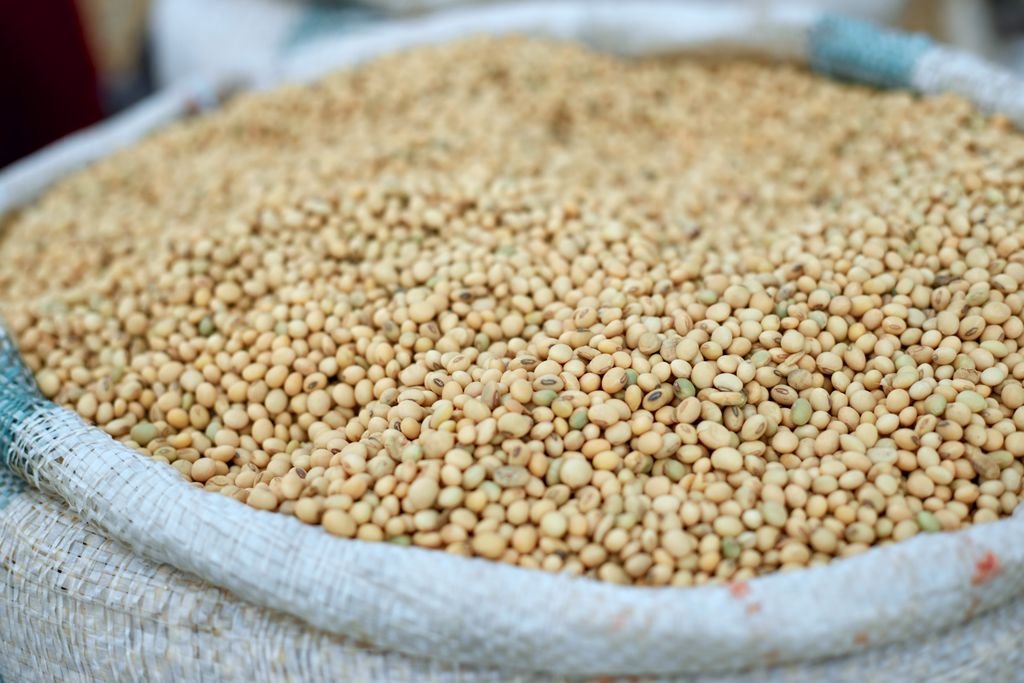
Breaking down Soybean – the extraction processes – from crop to shop ready.
In this insight we examine how soybean becomes soy protein isolate, the extraction methods,
the use of hexane, environmental considerations and how soy isolate compares with whole soy foods.
Soy protein isolate is one of the most widely used protein ingredients in modern food manufacturing derived from soybean.
It is found in
– protein powders – meal replacement shakes – protein bars – plant-based meats – fortified foods –
It is valued for its high protein content, functional properties and affordability.
Despite its popularity, many consumers assume soy protein isolate is simply ground soybeans.
In reality, it is a highly refined ingredient produced through multiple industrial processing steps
Each step designed to remove
– oil – fibre – carbohydrates –
while concentrating protein to approximately 90% by weight.
In conventional production, soybeans are first defatted, typically using hexane extraction,
before the remaining protein is isolated through alkaline extraction, acid precipitation, purification and spray drying.
Under current European regulations, approved uses of hexane remain authorised within strict residue limits.
However, ongoing scientific reviews continue to examine
– exposure data – extraction methods – environmental considerations –
Understanding the journey from soybean to protein isolate helps consumers evaluate
not only the nutritional characteristics of soy protein isolate,
but also its place within broader conversations about
food processing
sustainability
and modern nutrition.
Why Soy Protein Isolate Matters
Walk into almost any supermarket today and you’ll find soybean in some form.
It appears in plant-based burgers, dairy alternatives, protein powders, meal replacement drinks, high-protein snacks, bakery products, breakfast cereals, sports supplements and infant nutrition.
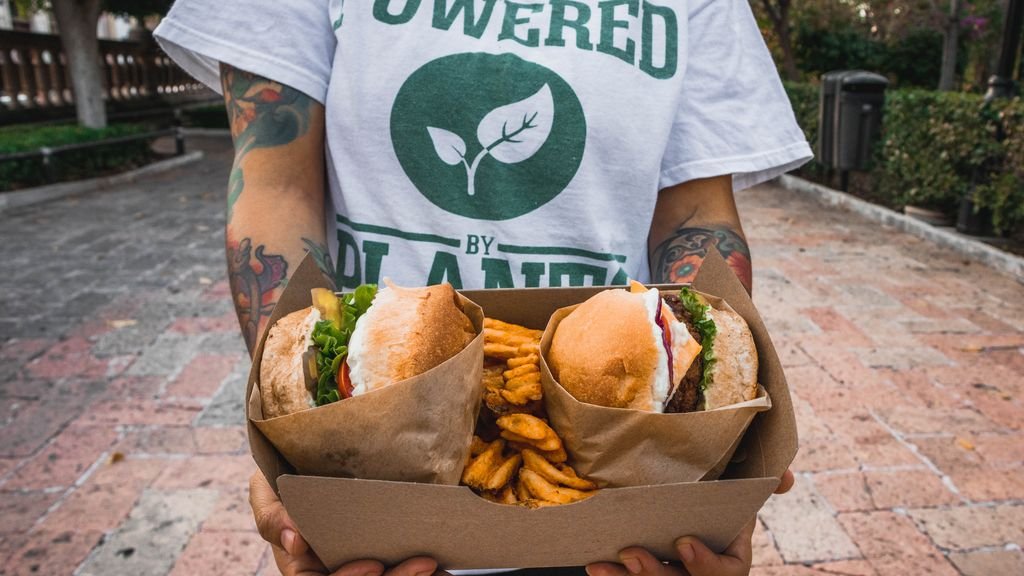
At the same time, soy remains one of the most debated ingredients in the nutrition world.
Supporters highlight its complete amino acid profile, affordability and role in plant-based diets.
Critics point to the degree of processing involved in some soy-derived ingredients, particularly soy protein isolate.
The goal of this Library Insight is not to tell you whether soy protein isolate is good or bad.
Instead, it aims to answer a more fundamental question –
What exactly is soy protein isolate, and how does a whole soybean become a protein powder containing around 90% protein?
Understanding that journey is central to living beyond the label.
What Is Soybean?
Soybeans are legumes, belonging to the same botanical family as peas, lentils, chickpeas and beans.
Originating in East Asia thousands of years ago, soybeans became an important agricultural crop due to their unusual nutritional composition. Unlike many legumes, soybeans contain substantial amounts of both protein and oil.
A typical soybean contains –
Protein
Fat (oil)
Fibre
Carbohydrates
Vitamins and minerals
Naturally occurring plant compounds
Historically, soy has been consumed in a variety of traditional foods, including –
Edamame
Tofu
Tempeh
Natto
Miso
Soy milk
These foods remain relatively close to the original bean and have been part of traditional diets for generations.
Modern food manufacturing, however, often separates soybeans into their component parts. The oil, protein, fibre and carbohydrates may all be processed and sold into different industries.
This shift from whole food to individual ingredients forms the foundation of soy protein isolate production.
Why has soybean become one of the world’s most important protein crops?
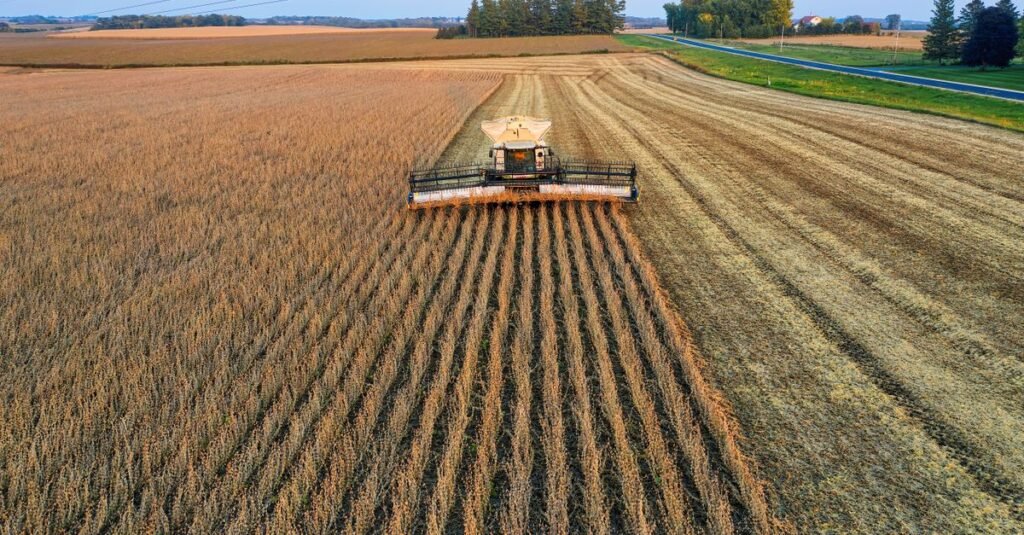
The global demand for dietary protein has increased dramatically.
At the same time, food manufacturers are looking for protein sources that are –
Affordable
Consistent
Scalable
Versatile
Functional in food production
And that’s why Soy offers several advantages.
Most notably, soy protein contains all nine essential amino acids,
making it what nutrition scientists describe as a complete protein.
In food manufacturing, soy protein also contributes –
Texture
Structure
Water retention
Emulsification
Shelf stability
For these reasons, soy has become a foundational ingredient in many high-protein and plant-based products.
What Is Soy Protein Isolate?
Soy protein isolate is the most refined and concentrated form of soy protein.
While whole soybeans naturally contain protein, oil, fibre and carbohydrates, soy protein isolate has had most of these components removed.
The result is a highly concentrated powder that typically contains around 90% protein by weight.
| Product | Approximate Protein Content |
| Whole Soybeans | 35 – 40% |
| Tofu | 8 – 15% |
| Soy Protein Concentrate | 65 – 70% |
| Soy Protein Isolate | 90% |
This protein density is one reason soy protein isolate has become such a popular ingredient in sports nutrition and food manufacturing.
However, reaching that level of protein concentration requires extensive processing.
How Soy Protein Isolate Is Made: Step by Step

Step 1 – Cleaning, Cracking and Dehulling
Soybeans are cleaned to remove debris and impurities.
The beans are then cracked and dehulled.
Removing the hulls improves efficiency and reduces the fibre content of the raw material.
Step 2 – Oil Extraction
Before protein can be isolated, most of the oil must be removed.
In conventional processing, this is commonly achieved using hexane.
Hexane dissolves the oil, allowing efficient extraction.
The remaining material is known as defatted soy flakes or white flakes.
These flakes, rather than whole soybeans, become the starting material for soy protein isolate production.
Does Soy Protein Isolate Come After Hexane Extraction?
In most conventional manufacturing systems, yes.
Oil extraction occurs before protein isolation.
This means soy protein isolate is typically produced from soy material that has already undergone a solvent extraction process.
Read more – What is Hexane?
Step 3: Alkaline Extraction
The defatted flakes are mixed with water and an alkaline solution.
At elevated pH levels, soy proteins dissolve while much of the insoluble material remains behind.
Step 4 – Separation and Centrifugation
Industrial screens and centrifuges remove insoluble solids.
This produces a clarified protein-rich liquid.
Step 5 – Acid Precipitation
The pH is lowered to the isoelectric point of soy protein.
At this stage, protein becomes insoluble and separates from the liquid.
Step 6 – Washing and Neutralisation
The protein is repeatedly washed to improve flavour and remove residual sugars.
The material is then neutralised.
Step 7 – Spray Drying
The purified liquid protein is sprayed into hot air.
Water evaporates rapidly, leaving behind a fine protein powder.
The final product is soy protein isolate.
The Role of Hexane in Soy Protein Production
Hexane is a petroleum-derived extraction solvent commonly used in vegetable oil production.
It remains popular because it:
Removes oil efficiently
Produces high yields
Is cost effective
Protects protein quality
Can be used at industrial scale
Without effective oil removal, protein isolation becomes significantly more challenging and less economical.
This explains why hexane remains widely used despite ongoing discussion regarding alternatives.
What Does the Science Say About Hexane?
The discussion around hexane often becomes highly polarised.
From a scientific perspective, several important points should be acknowledged.
Current European regulations permit hexane as an extraction solvent under defined conditions and residue limits.
Food processing removes the vast majority of solvent before products reach consumers.
However, scientists have also highlighted areas where additional research would strengthen understanding, including:
Updated residue monitoring
Modern exposure data
Long-term exposure assessment
Updated toxicological evaluation
Regulatory bodies continue to review emerging evidence.
This ongoing review process reflects how scientific assessment evolves over time as new data become available.
Pros and Cons of Soy Protein Isolate
Potential Benefits
| Benefit | Why It Matters |
| High Protein Content | Around 90% Protein |
| Complete Protein | Contains all 9 Essential Amino Acids |
| Plant Based | Suitable for Vegetarian & Vegan diets |
| Low Fat | Most Fat Removed during processing |
| Widely Available | Used in many Affordable products |
| Functional Ingrediant | Provides Texture & Struture |
Potential Limitations
| Consideration | Why It Matters |
| Highly Processed | Extensive industrial processing |
| Fibre Removed | Less fibre than whole soy foods |
| Often Associated With Ultra-Processed Foods | Ingredient context matters |
| Environmental Considerations | Multiple industrial processing stages |
| Consumer Transparency | Production methods often poorly understood |
Environmental Impact of Soy Protein Isolate
Environmental discussions often focus solely on whether a food is plant-based.
The reality is more nuanced.
Soy protein isolate generally requires fewer biological resources than many animal-derived proteins. However, it also requires substantial industrial processing.
Key environmental considerations include –
Energy use during extraction
Water requirements
Spray drying operations
Transportation and packaging
Solvent production and recovery
Hexane itself is derived from fossil fuels.
Researchers have identified this as one reason interest in alternative extraction methods continues to grow.
However, alternatives can create their own environmental trade-offs through increased energy use or lower efficiency.
A meaningful sustainability assessment must consider the entire manufacturing system rather than a single factor.
What Do Experts Say?

One challenge in nutrition communication is that the loudest opinions are not always the most balanced.
Food scientists generally recognise two simultaneous realities.
First, soy protein isolate is a nutritionally valuable source of protein.
Second, it is a highly refined ingredient produced through multiple industrial processing stages.
Regulatory authorities continue to consider approved uses safe within current standards while simultaneously supporting ongoing scientific review.
The emerging expert consensus is not centred on whether soy protein isolate contains protein.
Rather, discussion focuses on –
The degree of processing involved
The sustainability of extraction methods
The role of refined protein ingredients in modern diets
Consumer understanding of food manufacturing
Soy Protein Isolate vs Whole Soy Foods
One of the biggest misconceptions is that all soy foods are nutritionally equivalent.
They are not.
Processing Spectrum
| SOY FOOD | PROCESSING LEVEL |
| Edamame | Minimal |
| Natto | Low |
| Tempeh | Moderate |
| Tofu | Moderate |
| Soy Milk | Moderate |
| Soy Protein Concentrate | High |
| Soy Protein Isolate | Very High |
All of these foods originate from soybeans.
Yet the level of processing and the resulting nutritional profile differ significantly.
Whole soy foods retain much more of the original food matrix.
Soy protein isolate is primarily a concentrated protein fraction.
Soy Protein Isolate vs Other Protein Sources
Soy Protein Isolate vs Whey Protein Isolate
| Factor | Soy Isolate | Whey Isolate |
| Source | Soybeans | Milk |
| Complete Protein | Yes | Yes |
| Vegan | Yes | No |
| Processing Required | Extensive | Extensive |
Soy Protein Isolate vs Pea Protein
| Factor | Soy Isolate | Pea Protein |
| Protein Content | Higher | Typically Lower |
| Complete Protein | Yes | Lower in certain amino acids |
| Processing Level | High | High |
Soy Protein Isolate vs Whole Foods
| Factor | Soy Isolate | Edamame, Tofu, Tempeh |
| Protein Density | Very Hight | Moderate |
| Fibre | Low | Higher |
| Food Matrix | Largely Removed | Mostly Intact |
| Processing Level | High | Lower |
Where Is Soy Protein Isolate Found?
Soy protein isolate is commonly used in-
Protein powders
Protein bars
Meal replacements
Plant-based meats
Sports nutrition products
High-protein snacks
Bakery products
In many cases, it is added not only for protein but also for functional benefits such as texture and structure.
Are There Healthier Alternatives?
The answer depends on what the individual is looking for.
For Less Processing consider –
Edamame
Tempeh
Tofu
Beans
Lentils
For Alternative Protein Powders, options include –
Pea protein
Hemp protein
Pumpkin seed protein
Whey protein isolate
Each comes with its own benefits and limitations. No protein source is completely free of trade-offs.
Is Soy Protein Isolate Healthy?
This remains one of the most searched questions online.
The evidence suggests a more nuanced answer than either extreme position.
Soy protein isolate remains –
A complete protein
High in protein density
Useful for increasing protein intake
Widely used in plant-based nutrition
At the same time, it is a highly refined ingredient.
Much of the original fibre, oil and food structure has been removed.
Whether that matters depends largely on the broader dietary context.
The more useful question may be –
What role is soy protein isolate playing within the overall food product and dietary pattern?
The Bigger Question – Whole Foods vs Isolated Nutrients
The soy protein isolate discussion reflects a broader trend in modern nutrition.
Increasingly, foods are broken down into individual components.
Protein is isolated.
Fibre is extracted.
Fats are refined.
These components are then recombined into new products.
This does not automatically make such products unhealthy.
However, it does raise an important question.
At what point does a food become fundamentally different from the original food from which it came?
Soy protein isolate provides an excellent case study because it sits at the intersection of technology, nutrition and consumer perception.
Key Takeaways
Soy protein isolate contains approximately 90% protein.
It is produced through multiple extraction and purification stages.
In conventional manufacturing, protein isolation usually occurs after oil extraction using hexane.
Current regulatory frameworks permit hexane use within defined residue limits.
Soy protein isolate is not nutritionally identical to whole soy foods.
It remains a complete protein source and plays an important role in many plant-based products.
Alternative extraction methods and protein sources exist, but all involve trade-offs.
Understanding how foods are made helps consumers make more informed choices.
Looking Beyond the Label
Soy protein isolate is neither a miracle food nor a food to fear.
It is a modern food ingredient created through a sophisticated industrial process designed to isolate one particular component of the soybean – Protein.
Understanding that process allows us to move beyond simplistic narratives about foods being either good or bad.
The soybean, tofu, tempeh and soy protein isolate all originate from the same plant. Yet they represent very different points along the processing spectrum.
Perhaps the most important lesson is not about soy itself.
It is about developing the curiosity to ask better questions.
Not simply
‘How much protein does this contain?’
But –
‘How was it made?’
‘What happened to it along the way?’
And ultimately:
‘What does that mean for the way I choose to eat?’
That is what it means to truly live beyond the label.