See Through the Marketing – Reading Food Labels Beyond the Hype
Walk into any supermarket and you’re immediately surrounded by a world of carefully crafted illusions. Bright colours, comforting phrases, rustic fonts, and health‑halo buzzwords all working together to make you feel like you’re making a smart, healthy choice.
“High protein.” “Natural.” “No added sugar.” “Plant‑based.” “Immune support.”
These claims are designed to reassure you — and to stop you from flipping the packet over. Because the truth about a product’s quality, processing level, and nutritional value is almost never on the front. It’s on the back.
This guide helps you cut through the noise instantly, so you can make confident, conscious choices based on what’s actually inside your food — not what the marketing team wants you to believe.
Why Marketing Claims Can Be Misleading
Food marketing is built on psychology. Brands know that most people shop quickly, make decisions visually, and rarely read the fine print. So they lean heavily on:– Health‑halo words that sound virtuous– Trendy nutrition buzzwords that tap into current wellness culture– Nature‑inspired imagery that signals purity– Scientific‑sounding claims that imply credibility– Colours associated with “healthy” eating, like greens, browns, and neutralsBut none of these things tell you whether the product is minimally processed, ultra‑processed, nutrient‑dense, or full of additives.Marketing is theatre.
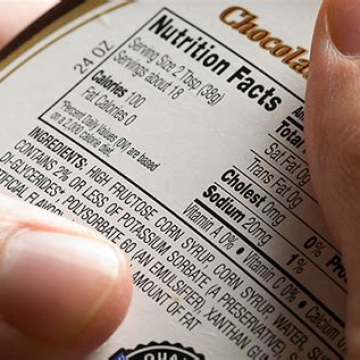
The ingredient list is the truth.1. Ignore the Front — Flip the Packet OverThe front of the packet is advertising.
The back of the packet is information.If you only change one habit, make it this one. Every meaningful insight — ingredients, processing level, additives, sugars, oils — lives on the back. The front is simply the hook.2. Watch Out for Health‑Halo Words
Some words are designed to make you feel safe, even when the product itself isn’t:“Natural”“Wholesome”“Light”“Plant‑based”“High protein”“Low fat”“No added sugar”“Immune support”“Gut friendly”These terms are unregulated or loosely regulated, meaning they can be used even when the product is ultra‑processed or full of additives.A product can be plant‑based and still contain 20+ ingredients. It can be high‑protein and still rely on isolates, gums, and sweeteners.Marketing ≠ nutrition.3. Don’t Be Distracted by Nature Imagery
Packaging is a visual story. Brands use:Leaves and greeneryWooden texturesEarth‑tone coloursFruit illustrations“Farm‑style” fontsRustic, hand‑drawn elementsThese cues create a sense of simplicity and purity — even when the ingredient list tells a very different story.If the packaging looks like nature but the ingredients don’t, trust the ingredients.4. Check the Ingredient List Length
A long ingredient list doesn’t automatically mean “bad,” but it is a signal to pause.Minimally processed foods: 1–5 ingredientsUltra‑processed foods: often 15–30+ ingredientsIf the list is longer than your phone screen, it’s worth a closer look. Long lists often indicate heavy engineering, stabilising, flavour‑boosting, and shelf‑life manipulation.5. Look for Additives You Wouldn’t Cook With
Marketing language is friendly. Ingredient lists are factual. Look for:EmulsifiersStabilisersSweetenersFlavouringsColouringsModified starchesAnti‑caking agentsIf you wouldn’t buy it as a standalone ingredient for your kitchen, it’s a sign the product has been heavily formulated.6. Be Cautious with “Free From” Claims
“Gluten‑free,” “dairy‑free,” and “sugar‑free” can be helpful for specific needs — but they don’t automatically mean healthier.Often, when something is removed, something else is added:GumsStarchesSweetenersEmulsifiersFlavouringsAlways check what’s been added back in to replace the texture, sweetness, or structure.7. Compare the Claim to the Ingredients
Marketing claims should match the reality. Often, they don’t.“Made with real fruit” → Is fruit actually in the top 3 ingredients?“High fibre” → Is the fibre natural or added?“No added sugar” → Are sweeteners used instead?“Protein packed” → Is the protein from whole foods or isolates?If the claim feels bold, check whether the ingredients back it up.8. Ask the Simple Question: “What is this mostly made of?”
Ignore the colours. Ignore the claims. Ignore the buzzwords.Look at the first three ingredients — they tell you the truth.If they’re whole foods, great. If they’re sugars, starches, oils, or additives, you know exactly what you’re buying.This single question cuts through 90% of marketing noise.
A Calm, Empowering Approach to Food Marketing
Seeing through food marketing isn’t about restriction, fear, or guilt. It’s about clarity. When you understand how packaging is designed to influence your choices, you can step back, breathe, and choose based on what feels right for your body and your values.
The more you practice flipping the packet over, the easier it becomes to see through the noise — instantly.
Clarity leads to confidence.
Confidence leads to conscious living.
And conscious living is the heart of Live Beyond the Label.
If this topic resonates, you may want to dive into my article on conscious food choices. It expands on how marketing shapes our decisions and offers simple steps to align your everyday purchases with your health goals and personal values.
Further Reading and Evidence backed research links below.
The NHS provides clear, accessible guidance on understanding food labels, traffic‑light systems, ingredients and nutrition claims.– Food Standards Agency (FSA)
The FSA regulates food safety and labelling in the UK. Their site explains legal requirements, additives, allergens and what manufacturers must disclose.
– British Nutrition Foundation — Understanding Food Labels
Evidence‑based explanations of nutrition claims, ingredient lists and how to interpret packaging.
– The Soil Association — Organic Standards & Labelling
Explains what organic labels actually mean, how certification works and what standards brands must meet.
– The Obesity Health Alliance — Food Marketing & Policy Research
UK coalition producing reports on children’s food marketing, packaging claims and policy recommendations.
Research & Transparency – Live Beyond the Label is committed to clarity, honesty, and evidence‑led information. All content is based on publicly available research from reputable organisations such as the WHO, NHS, FAO, BMJ, EFSA, and Harvard.
This content is for general awareness only and is not medical advice.