Teaching Children How Food Really Works
Most children grow up believing food is available all year round.
– Strawberries in December – Tomatoes in January – Lettuce in February –
Supermarkets make everything look permanent, predictable and disconnected from nature but food isn’t permanent.
It’s seasonal and when children learn seasonality, they learn how food really works.
Seasonal eating is one of the most powerful parts of food literacy.
It teaches children about nature, cycles, sustainability, affordability and the reality behind the food system.
It helps them understand why real food tastes different, costs different and behaves different depending on the time of year.
This article explores why seasonal eating matters, how food systems shape children’s choices and why every child should learn how food moves from
soil → farm → factory → shop → home.
Seasonality Is the Foundation of Real Food Understanding
Children raised on supermarkets learn that food is always available. Children raised on seasonality learn that food follows nature.
Seasonality teaches
– patience – respect for food – environmental awareness –
– understanding of natural cycles – appreciation for real ingredients –
When children learn seasonality, they learn
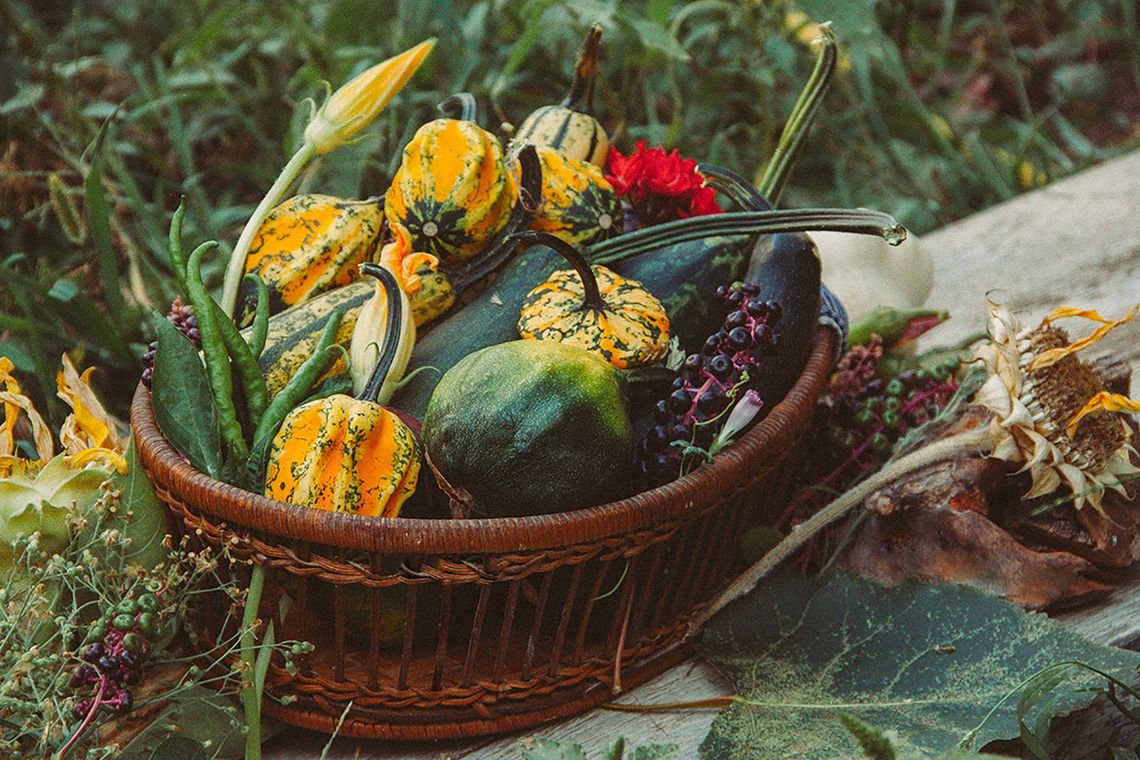
– strawberries belong to summer – squash belongs to autumn –
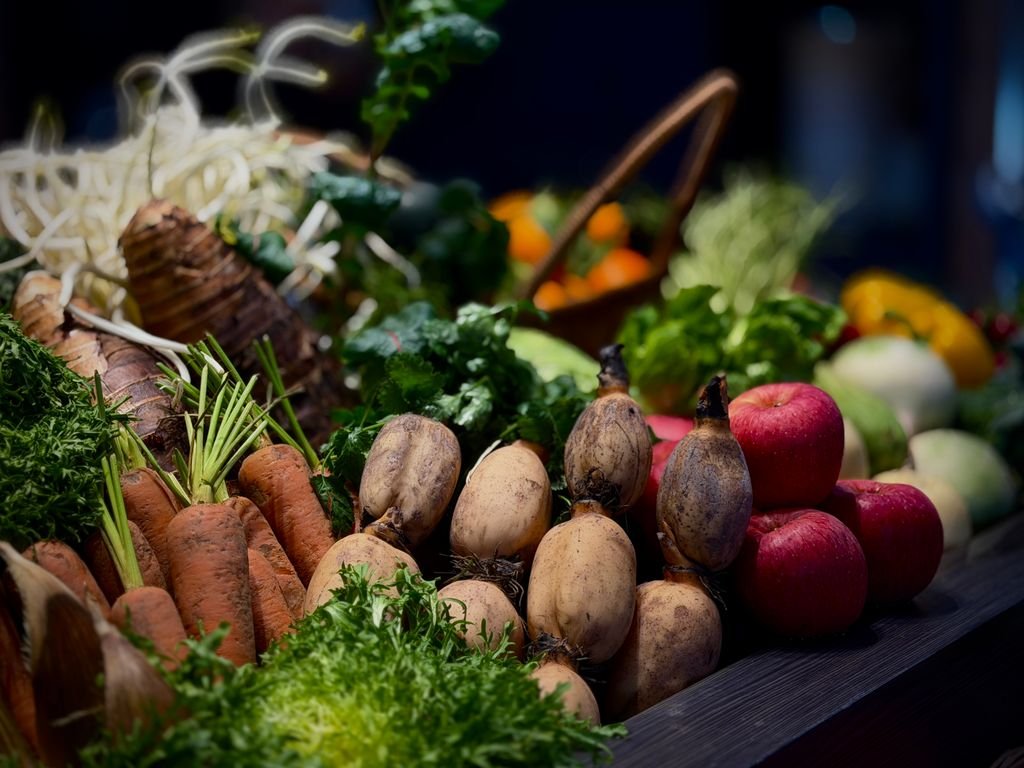
– leafy greens thrive in spring – root vegetables belong to winter –
This understanding builds a connection to food that packaging cannot teach.
Seasonal Eating Makes Real Food More Affordable
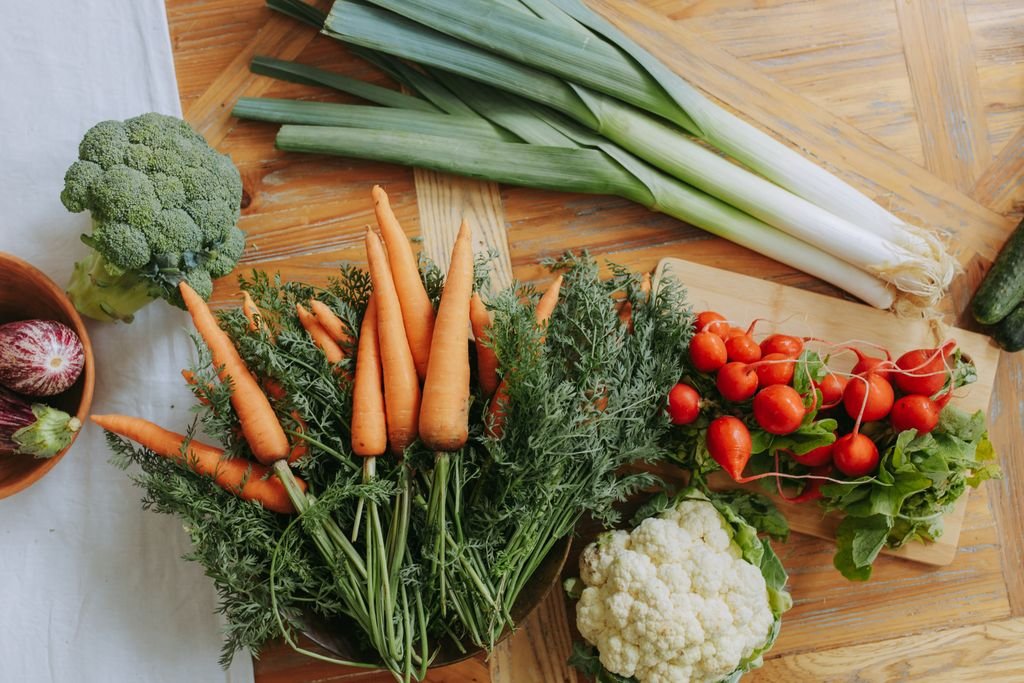
Seasonal produce is
– cheaper – fresher – more abundant – more flavourful – more nutritious –
Children learn that affordability isn’t just about price, it’s about timing.
A child who understands seasonality learns
– when produce is cheapest – when to buy in bulk – when to grow, freeze and preserve –
Seasonality is one of the simplest ways to make real food accessible.
Seasonality Teaches Children That Food Is Alive
Ultra processed foods are engineered to be consistent. Seasonal foods change constantly.
Children learn
– why tomatoes taste different in summer
– why apples store well in autumn
– why herbs bolt in heat
– why winter vegetables grow slowly
– why weather affects flavour
Seasonality teaches children that food is alive, not manufactured.
Understanding Food Systems Builds Critical Thinking

Children need to understand the journey food takes before it reaches their plate.
A real food education teaches how food is grown, harvested and transported.
How food is then processed and packaged before being marketed and priced.
This builds critical thinking, especially around marketing.
Children learn
– why fresh isn’t always fresh
– why healthy isn’t always healthy
– why natural doesn’t always mean natural
– why local matters
– why seasonal matters
Food systems shape children’s choices long before they enter a shop.
Seasonality Supports
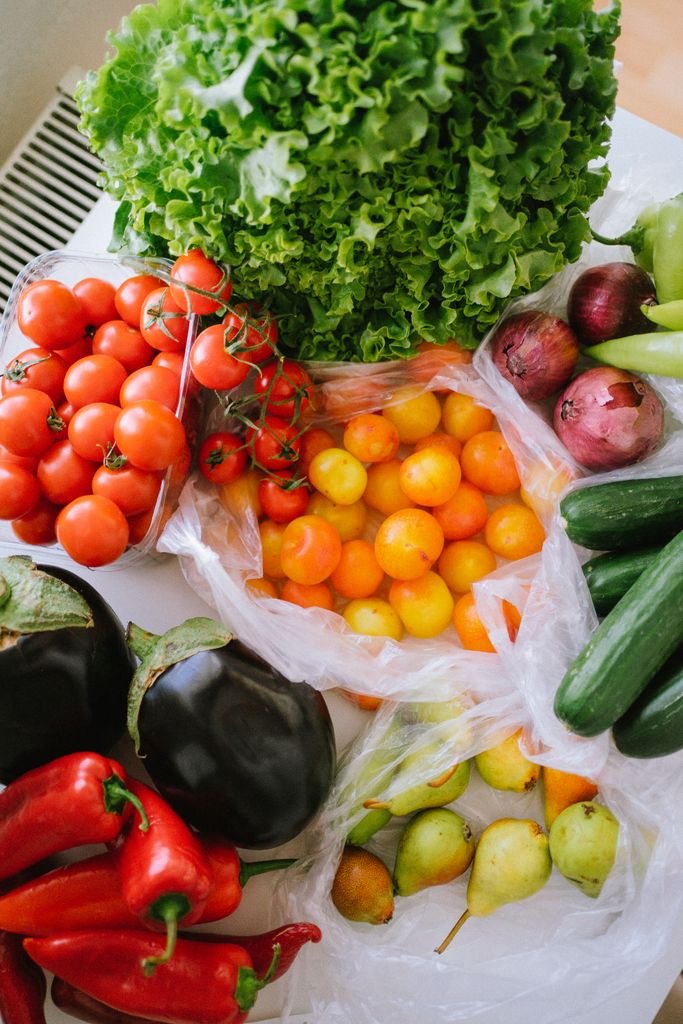
Cooking Confidence
Children who understand seasonality learn
– how ingredients behave -how flavours change –
– adapting recipes – substitute ingredients-
-cook with what is available –
Seasonality teaches flexibility, not perfection.
A child who understands seasonality can cook confidently even when ingredients are limited.
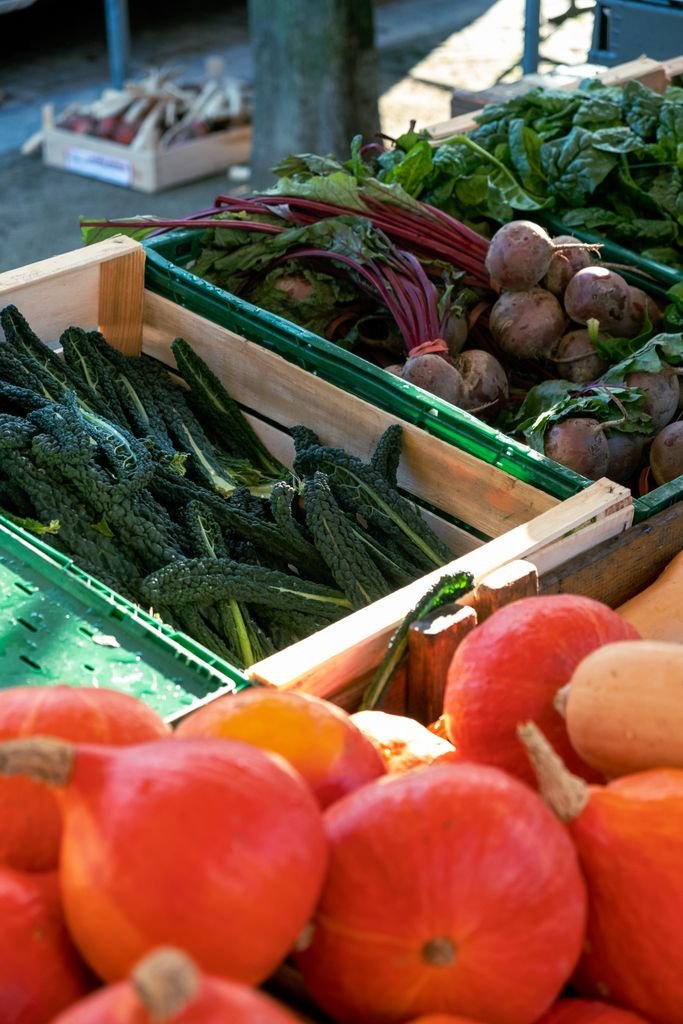
Preserving Skills
Seasonal abundance is the perfect opportunity to teach preserving.
Children learn to
– freeze summer berries – bottle tomatoes – dry herbs –
– ferment vegetables – pickle cucumbers – make jam –
Seasonality + preserving = affordability + independence.
Seasonality Must Be Part of School Education
Schools are the only place where every child can learn seasonality.
Ages 4 – 7
– tasting seasonal produce
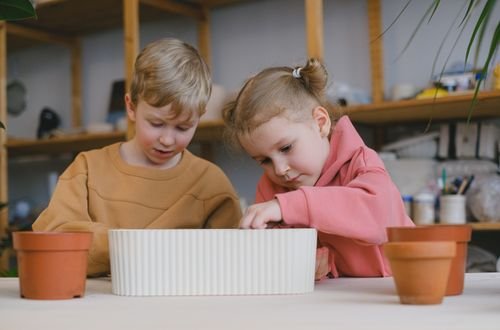
– planting seeds
– exploring weather and growth
Ages 8 -11
– maintaining gardens
– learning seasonal cycles
– cooking simple seasonal recipes
Ages 12 – 14
– understanding food systems
– comparing seasonal vs imported produce
– learning cost differences
Ages 15 – 16
– plan seasonal meal budgets
– preserve seasonal abundance
– understand environmental impact
Seasonality Builds Environmental Awareness
Children learn
– how weather affects crops
– how climate affects food supply
– how soil health affects nutrition
– how farming practices affect sustainability
Seasonality teaches children that food is part of the environment, not separate from it.
Seasonal Eating Teaches Children How Food Really Works
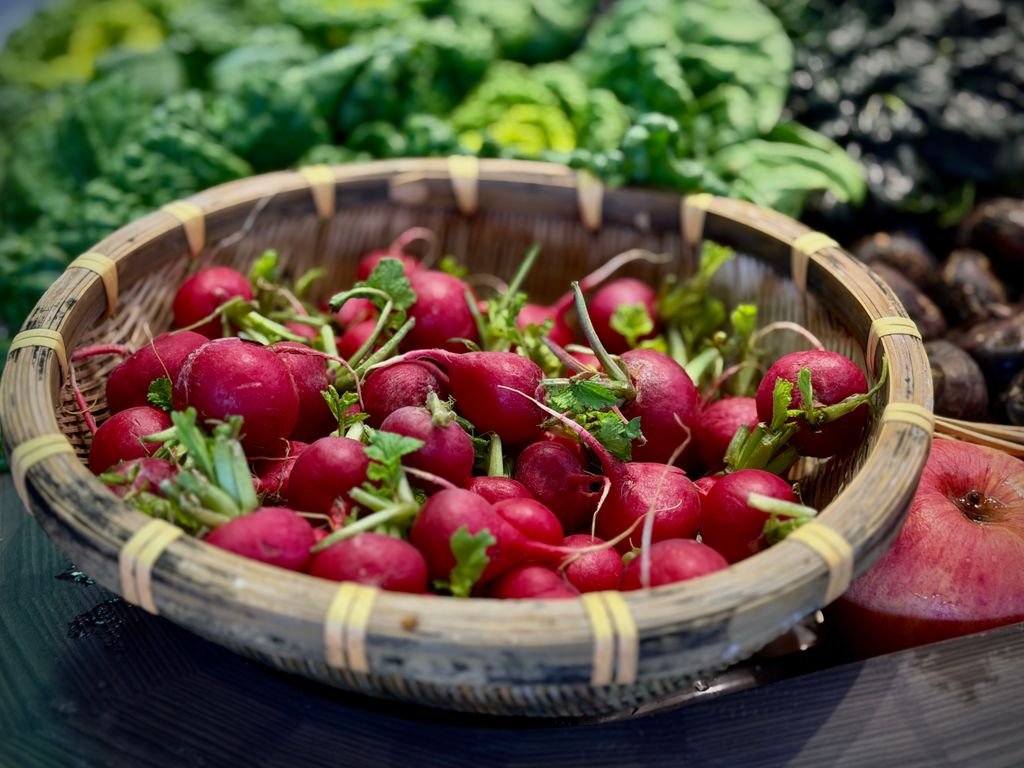
Seasonal eating reconnects children with real ingredients, real cycles and real understanding.
It makes real food affordable, accessible and meaningful.
It teaches children how food moves through the world, not just how it appears on shelves.
Seasonality is not optional. It is essential.
This is how we help the next generation live beyond the label.