Why Affordability Must Be Part of Food Literacy
Food literacy only works if families can afford real food.
We can teach children to grow, cook and preserve food but those skills become meaningless if the ingredients they need are out of reach.
Right now, many families are being priced out of real food and pushed toward ultra‑processed foods (UPFs) because the system makes convenience the cheapest option.
This article explores why real food feels expensive, why UPFs dominate family budgets and why affordability must be part of any conversation about rebuilding food literacy.
The Reality
Families Aren’t Choosing UPFs – They Are Cornered Into Them
Ultra‑processed foods aren’t just cheaper. They’re predictable, accessible and aggressively marketed. When a ready meal costs £2.50 and the ingredients to cook a fresh version cost £6–£10, the choice is made for you.
Families aren’t choosing convenience because they don’t care. They’re choosing it because the system makes it the easiest option.
Why Real Food Costs More Than It Should
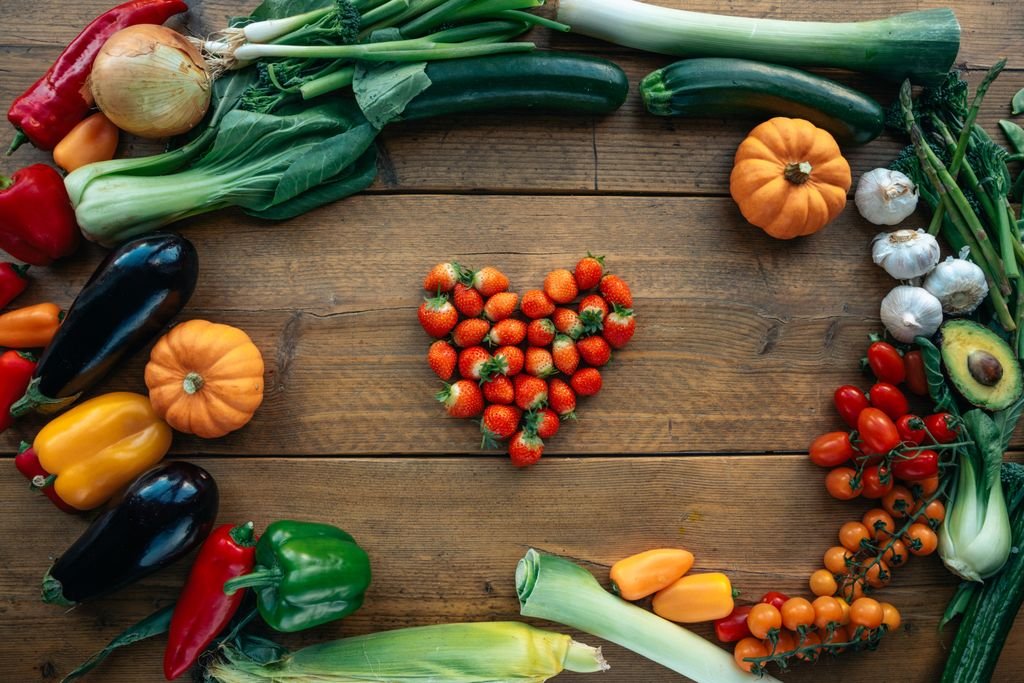
Real food isn’t expensive because it’s “premium.”
It is expensive because the system makes it expensive.
Fresh food spoils quickly – Retailers lose money through waste, so prices rise.
Real ingredients require labour – Growing, harvesting, transporting and storing fresh food is costly.
Farming is expensive – Land, equipment, fuel, feed, fertiliser, everything adds up.
Subsidies favour UPF ingredients – Commodity crops like corn, soy and wheat (used in UPFs) are subsidised. Fresh produce rarely is.
Real food doesn’t benefit from industrial scale – UPFs can be made in huge factories. Real food cannot
Time is a cost – Cooking requires time many families simply don’t have.
Real food isn’t expensive because it’s better. It’s expensive because the system is built around convenience.
The Hidden Cost of Convenience
UPFs appear cheap but they come with hidden costs
– poorer long‑term health
– higher medical expenses
– generational loss of food skills
– increased environmental impact
– reliance on brands instead of ingredients
– reduced confidence with real food
UPFs are cheap at the checkout. They are expensive everywhere else.
Why Affordability Must Be Part of Food Literacy

Food literacy isn’t just about teaching children to cook. It is about teaching them to cook affordably.
Children need to learn how to budget for ingredients
– how to compare cost per portion
– how to batch cook
– how to reduce waste
– how to preserve seasonal produce
– how to grow low‑cost staples
– how to stretch meals
– how to make real food accessible
Without affordability, food literacy becomes a privilege NOT a life skill.
Growing Food Makes Real Food Cheaper
Growing food teaches children that ingredients don’t have to be expensive.
A £1.50 packet of seeds can produce weeks of fresh produce.
Children learn
– patience – responsibility – seasonality –
– sustainability – confidence with ingredients –
Growing food reduces reliance on expensive fresh produce and builds independence.
Preserving Makes Real Food Last Longer

Preserving is the missing link in affordability.
Children who learn to freeze, ferment, pickle, bottle and dry can make seasonal abundance last.
This reduces waste, stretches budgets and makes real food accessible year‑round.
Marketing Makes UPFs Look Like “Smart Choices”
UPFs are marketed as affordable
– balanced – nutritious – family‑friendly – time‑saving –
Children learn nutrition through branding, not knowledge.
Parents learn affordability through packaging, not reality.
This is exactly what Live Beyond the Label challenges – the idea that front‑of‑pack messaging equals truth.
Families Cannot Fix Affordability Alone
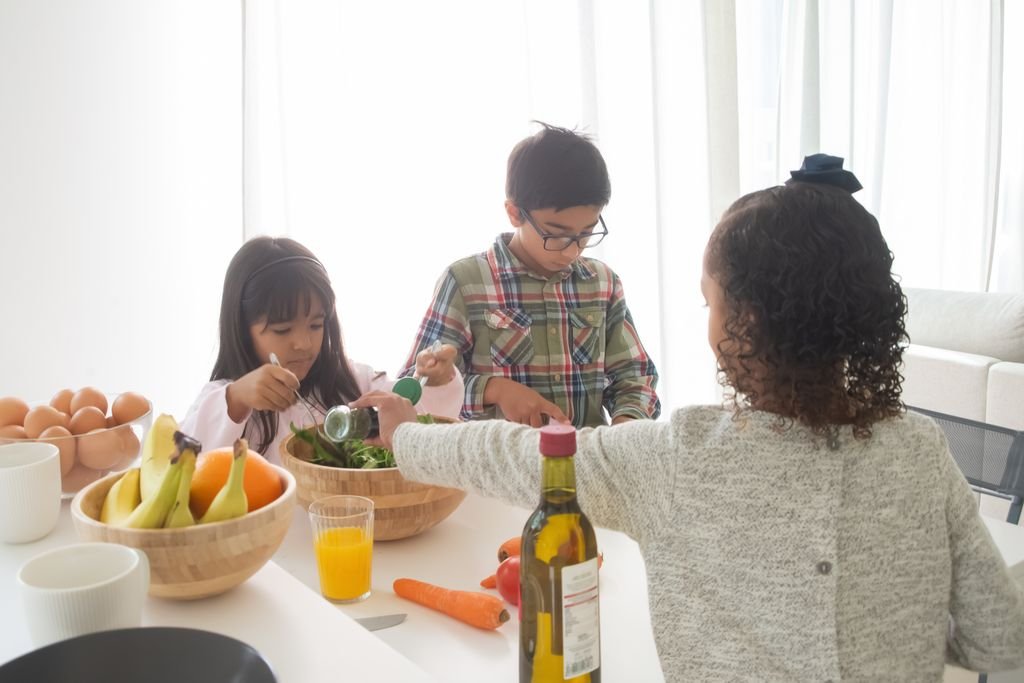
Families cannot fix a system that makes real food expensive. Schools cannot fix it alone. Parents cannot fix it alone.
The food system must change so that
– real food is affordable
– UPFs are not the cheapest option
– fresh ingredients are accessible
– seasonal produce is valued
– food education is prioritised
– marketing is regulated
– children learn real food skills
Food literacy and food affordability must go hand in hand.
Conclusion – Real Food Should Not Be a Luxury
UPFs are cheaper because the system is designed that way.
Real food is more expensive because the system makes it expensive.
If we want children to grow up confident, independent and food literate, we must make real food accessible, affordable and understood.
We must teach children to grow, cook and preserve food and ensure families can afford the ingredients that make those skills meaningful.
Food literacy is not just about knowledge.
– It’s about access – It’s about affordability – It’s about equity –
It is about Living Beyond the Label.