Why Children Do Not Know Where Their Food Comes From
Food literacy isn’t just about cooking, growing or preserving.
It is also about understanding the origin of food — how it’s grown, reared, harvested and produced.
Yet today, millions of children grow up with no real connection to food beyond what they see on supermarket shelves.
This divide isn’t accidental.
It’s the result of a widening gap between rural and urban experiences.
A gap that has grown across three generations and now shapes how children understand food, health, and the world around them.
This article explores why the rural–urban divide matters, how it developed and why bridging it is essential for rebuilding food literacy in Britain.
Rural Childhoods – Food as a Living System
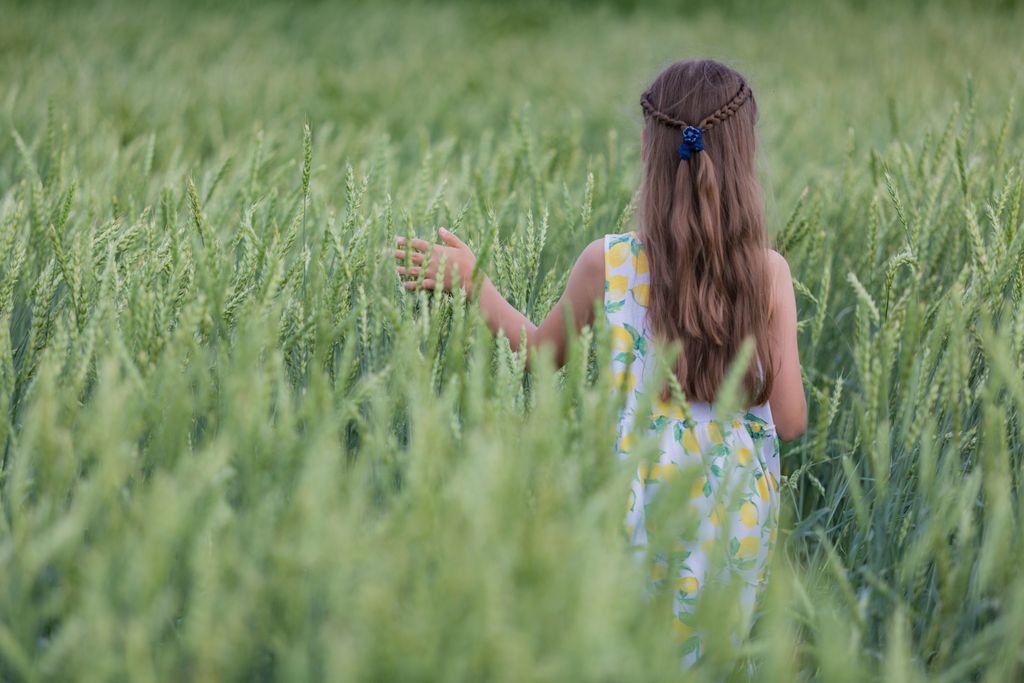
Children who grow up in rural environments often experience food as part of daily life.
Even if they are not part of farming families, they are surrounded by
– livestock in fields
– tractors on roads
– seasonal rhythms
– hedgerows full of edible plants
– neighbours who grow vegetables
– smallholdings, stables, or allotments
– visible signs of food production everywhere
Food is not abstract – It is alive
Rural children see
– cows grazing
– sheep lambing
– crops growing
– hay being cut
– orchards blooming
– fields changing with the seasons
They learn, without being formally taught that food comes from soil, animals, weather and human care.
They understand that milk comes from cows, not cartons.
They know vegetables grow in dirt, not plastic.
They see the work behind food.
This exposure builds natural food literacy.
Rural Doesn’t Always Mean Food Literate
But here’s the nuance that often gets overlooked – living rurally does not guarantee food literacy.
Many children in rural areas grow up just as disconnected from food origins as urban children, simply because their parents, peers or schools are disconnected too.
Rural life has changed.
Many families live in the countryside without any involvement in farming, gardening or food production.
They may live near fields but never step into them.
They may pass livestock daily, but never learn what those animals eat, how they’re cared for or how they contribute to the food system.
They may see tractors on the road but never understand the work behind them.
In these cases, rural children grow up with proximity but not participation.
They see the landscape, but not the process.
They see the environment, but not the education.
They see the food system, but not the skills.
This creates a unique kind of disconnection – food is visible but still misunderstood.
Coming soon – food literacy
Urban Childhoods – Food as a Product, Not a Process
Urban environments tell a completely different story.
Most children in towns and cities grow up with
– no visible farms
– no livestock
– no growing spaces
– no seasonal cues
– no connection to food production
Food appears only in shops, restaurants and packaging
It arrives ready-made, pre-cut, pre-washed, pre-cooked or pre-seasoned.
It is something to buy, not something to grow or make.
Urban children often believe
– milk comes from the shop
– vegetables come from packets
– bread comes from factories
– meat comes from “the supermarket aisle”
– fruit is available all year round
– food is made by brands, not people
This isn’t ignorance – it is environment
Urban life hides the entire food system
Children never see the processes behind food, so they never learn them.
Coming soon – food literacy
Why the Rural – Urban Divide Matters
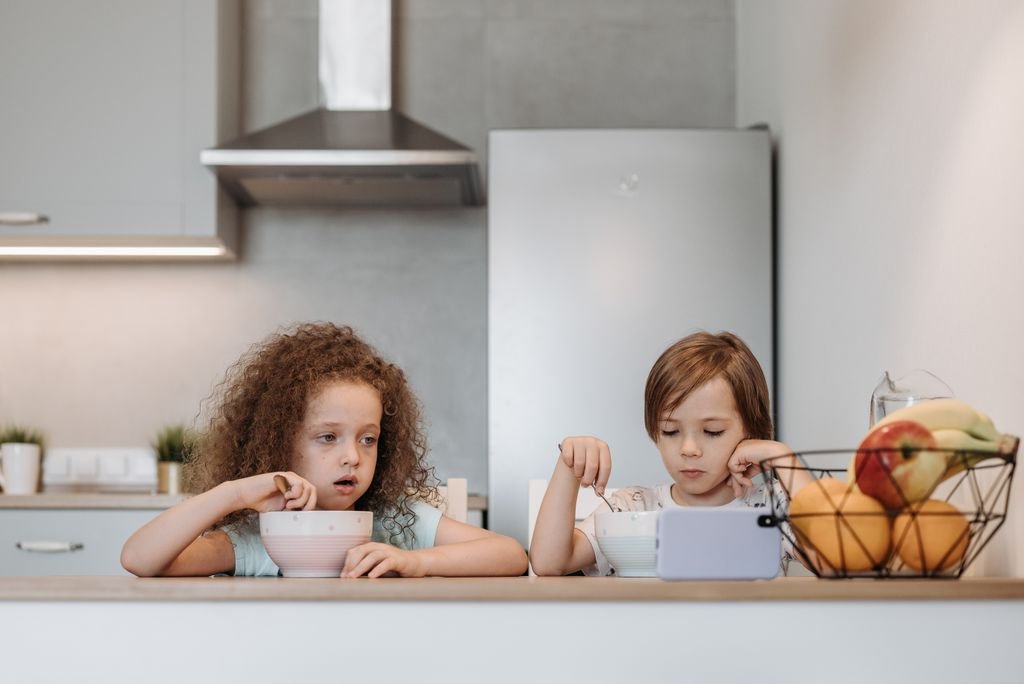
The divide matters because it shapes
1. Children’s understanding of real food
Rural children see food as a natural system. Urban children see food as a commercial product.
2. Children’s relationship with health
Children who understand food origins are more likely to value real ingredients and less likely to rely on UPFs.
Coming soon – UPFs
3. Children’s connection to nature
Growing food builds environmental awareness.
Urban children often lack this connection.
4. Children’s confidence with ingredients
Rural exposure makes raw ingredients familiar.
Urban exposure makes packaged foods familiar.
5. Children’s future independence
Food literacy is a life skill.
Without exposure, children enter adulthood unprepared.
Urbanisation and the Rise of Convenience
The rural–urban divide widened dramatically as Britain urbanised.
As more families moved into towns and cities, daily exposure to food production disappeared.
At the same time
– supermarkets expanded
– convenience foods became cheaper
– UPFs became normal
– cooking skills declined
– growing spaces shrank
– time poverty increased
Urban families became dependent on convenience foods not because they did not care,
but because the system made convenience the easiest, cheapest and most accessible option.
Coming soon – real food affordability
The Cultural Impact: Food Becomes Invisible
When children never see food being grown or produced, they lose
– curiosity – connection – understanding –
– respect for farmers – awareness of seasons – appreciation for real ingredients –
Food becomes invisible, something that simply appears.
This invisibility fuels
– reliance on UPFs – misunderstanding of nutrition –
– confusion about food labels – lack of cooking confidence –
– disconnection from nature – reduced interest in real food skills –
Urban children are not choosing convenience – convenience is all they have ever known.
Why Schools Must Bridge the Gap
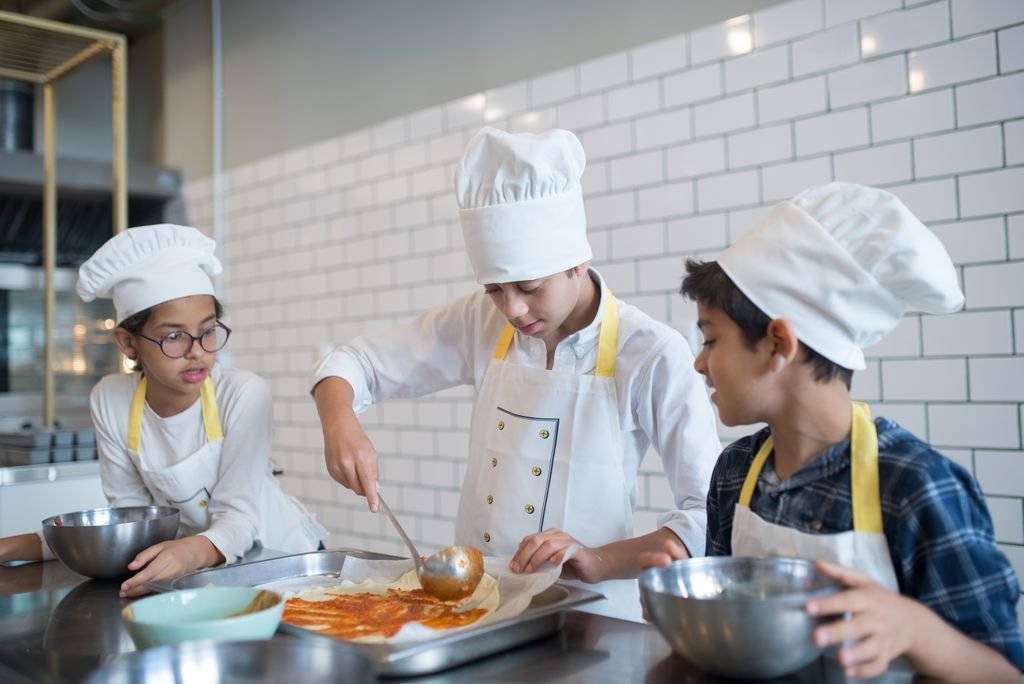
Schools are the only place where every child rural or urban can access real food education.
Without schools, the rural–urban divide will continue to widen.
Schools can provide
– gardens – growing spaces – cooking lessons –
– preserving workshops – farm visits – seasonal food education – nutrition beyond marketing –
This is how we rebuild food literacy for all children,
not just those lucky enough to grow up rurally.
Coming soon – real food education
What Urban Children Need Most
Urban children need intentional exposure to
1. Growing
Even small spaces — pots, raised beds, windowsills — can teach powerful lessons
2. Cooking
Real ingredients must become familiar, not intimidating
3. Preserving
Urban families benefit most from skills that reduce waste and stretch budgets
Explore: preserving skills
4. Food origins
Farm visits, local producers, and hands-on experiences matter
5. Seasonal awareness
Understanding why strawberries aren’t naturally available in December builds real food literacy
What Rural Children Need Most
Rural children often have exposure, but not structure.
They need
– formal cooking skills
– nutrition beyond marketing
– preserving techniques
– budgeting and meal planning
– understanding food systems
– confidence with ingredients
Exposure alone isn’t enough – Skills must be taught intentionally
The Path Forward Reconnecting Children to Real Food
The rural–urban divide isn’t a barrier – it is a map.
It shows us where food literacy is naturally strong and where it needs to be intentionally rebuilt.
To reconnect children to real food, we must
– bring growing into schools
– teach cooking from scratch
– make preserving normal
– make real food affordable
– challenge marketing narratives
– rebuild lost skills
– create access for every child, everywhere
Food literacy is not a rural privilege – It is a human necessity.
Conclusion – Food Should Not Be Invisible
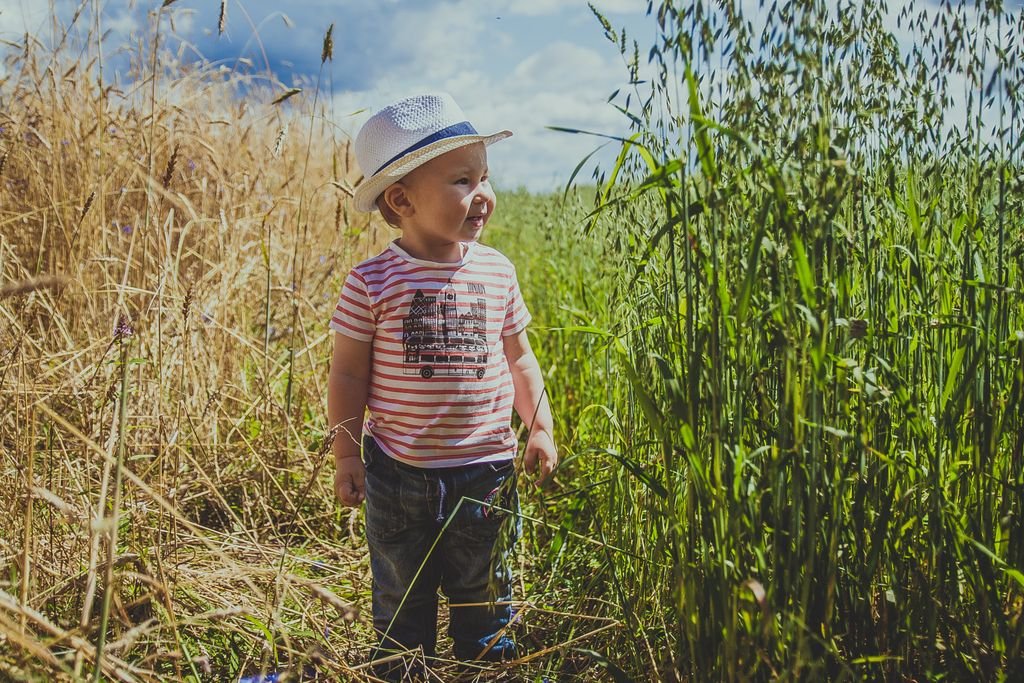
Children deserve to understand food as more than a product
They deserve to see it as a living system, something grown, cared for, harvested, prepared and shared
Rural children often learn this naturally
Urban children must learn it intentionally
And some rural children must learn it intentionally too, because proximity alone is not education
By bridging the rural–urban divide through exposure affordability and meaningful food education,
we can rebuild the connection that was lost and help the next generation live beyond the label.