The Foundation of Food Literacy starts with Growing Food
Growing food is the simplest, most powerful way to teach children where food comes from, how it behaves and why real ingredients matter.
Cooking teaches technique.
Preserving teaches resourcefulness.
Growing teaches understanding.
The kind of understanding that cannot be learned from packaging, recipes or classroom posters.
When children grow food, they learn patience, responsibility, seasonality and confidence.
They learn that food is alive, not manufactured.
They learn that ingredients don’t have to be expensive.
They learn that real food is accessible, not intimidating.
This article explores why growing food is the first step in food literacy, why it matters for every child and how schools and families can make it part of everyday life.
Growing Food Builds Real Understanding
Children today grow up surrounded by
– ultra processed foods
– convenience meals
– aggressive marketing
– limited exposure to real ingredients
– rising food costs
– shrinking time for families to cook
Most children never see food being grown.
They see food only as a product, something bought, not something created.
Growing food changes that instantly.
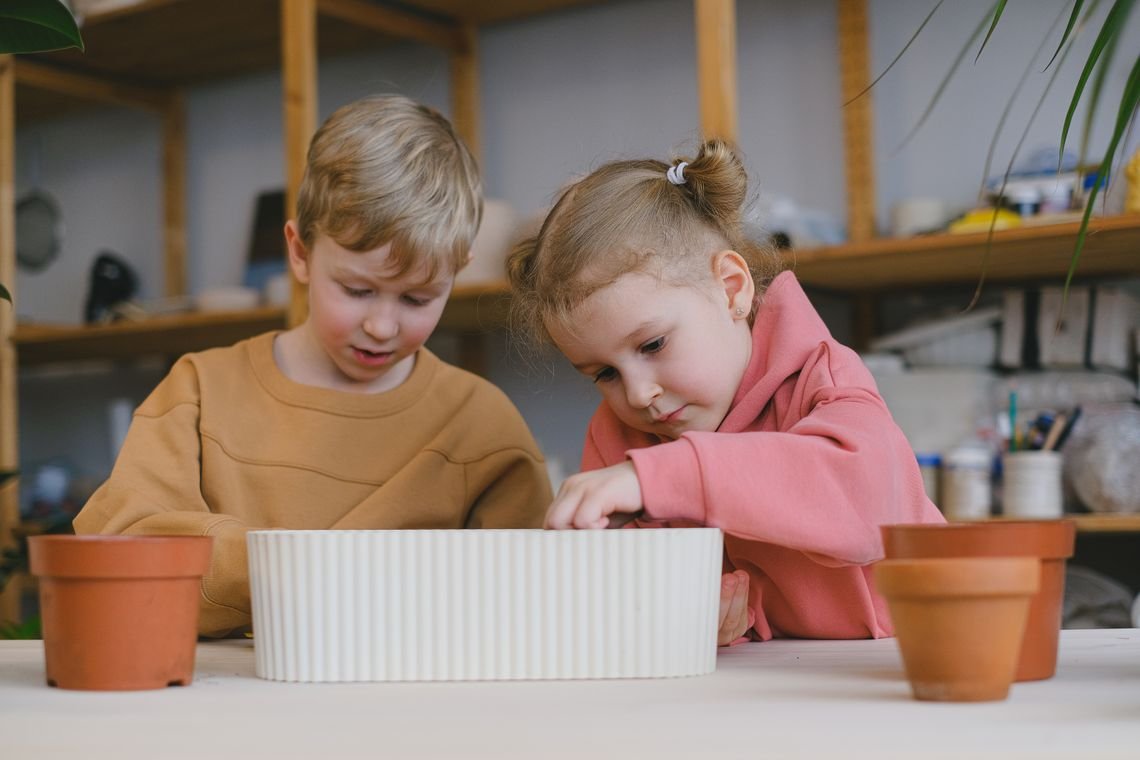
When a child plants a seed, waters it and watches it grow, they learn
– food comes from soil – food takes time – food requires care – food is seasonal – food is alive –
This understanding cannot be taught through worksheets or posters.
It must be experienced.
Growing Food Makes Real Ingredients Familiar
Children often feel intimidated by real ingredients because they rarely see them used at home. Growing food removes that fear.
A child who grows
– tomatoes – herbs – lettuce – peas – strawberries –
will happily taste them, cook with them and explore them.
Growing creates familiarity and familiarity creates confidence.
Children learn
– how ingredients look – how they smell – how they feel – how they change over time – how they behave when cooked
This confidence transfers directly into the kitchen.
Growing Food Makes Real Food Affordable
Affordability is one of the biggest barriers to food literacy.
Growing food can reduce that barrier dramatically.
A £1.50 packet of seeds can produce
– weeks of lettuce – dozens of tomatoes – handfuls of herbs – multiple harvests of peas –
Children learn that real food doesn’t have to be expensive.
They learn that affordability can be created, not just hoped for.
Growing food teaches
– budgeting – resourcefulness – planning – waste reduction –
Growing Food Teaches Seasonality
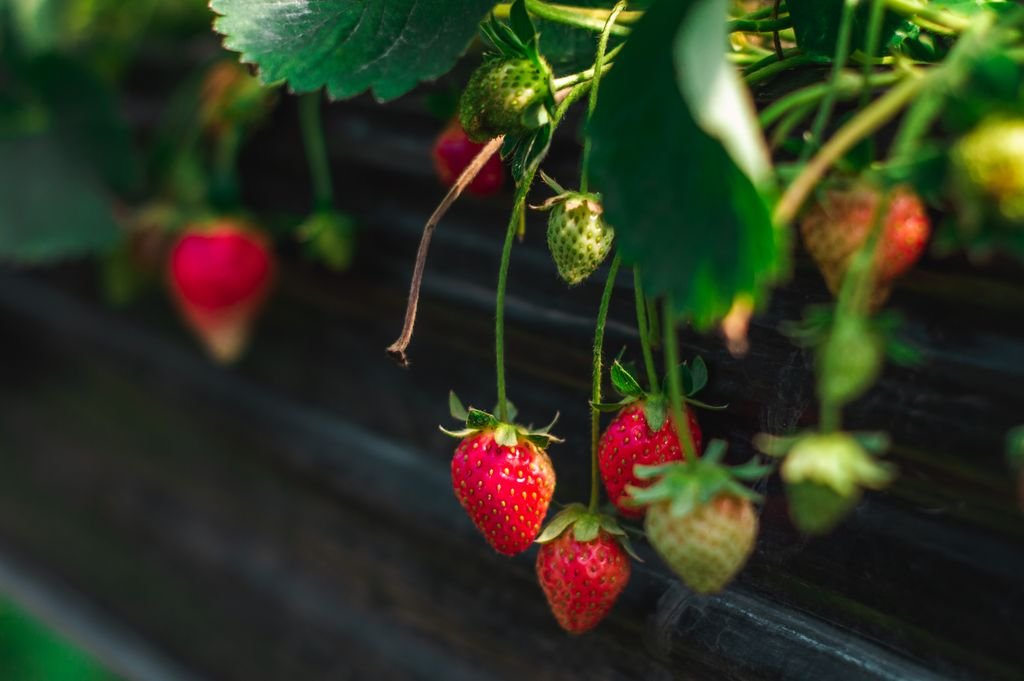
Children raised on supermarkets believe food is available all year round.
Growing food teaches the truth
– strawberries belong to summer
– squash belongs to autumn
– leafy greens thrive in spring
– root vegetables belong to winter
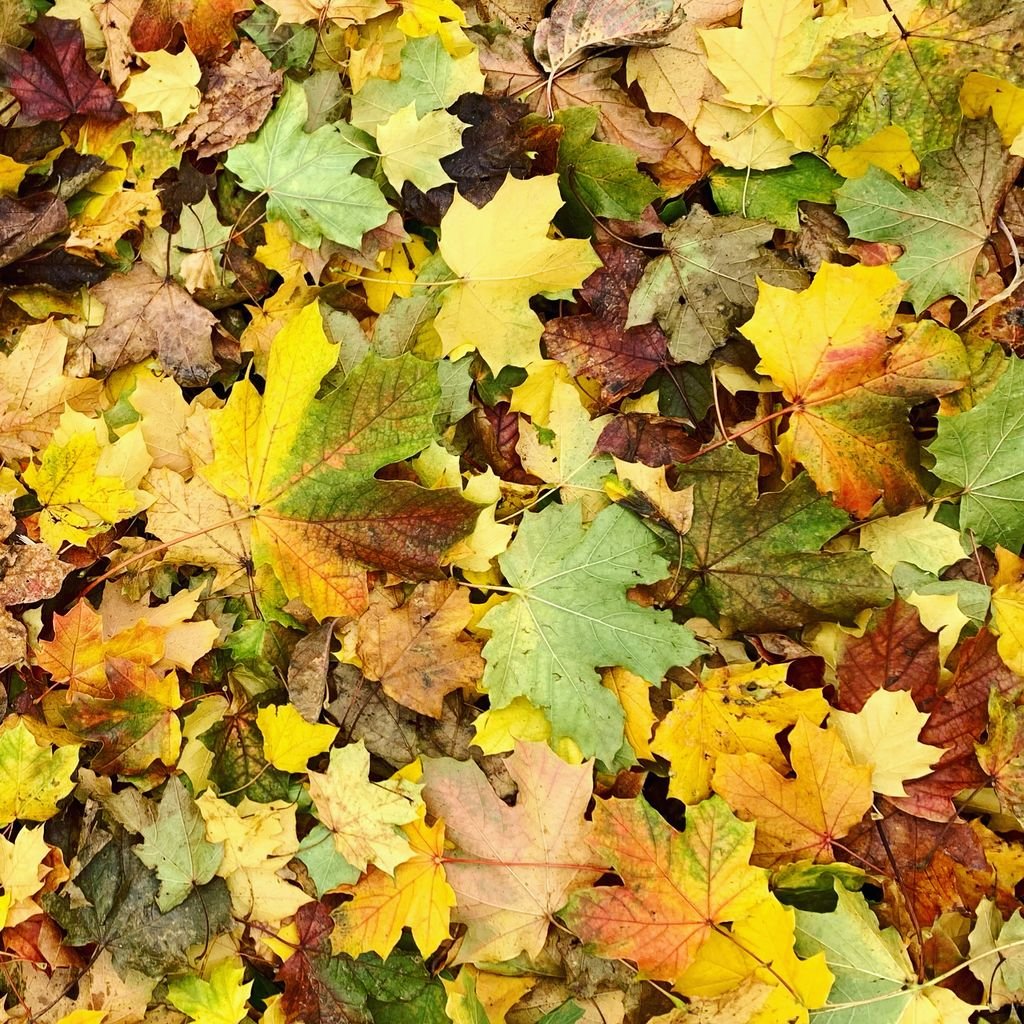
Seasonality builds
– environmental awareness
– respect for food systems
– understanding of natural cycles
– appreciation for real ingredients
Seasonality is the backbone of food literacy.
Growing Food Supports Cooking Confidence
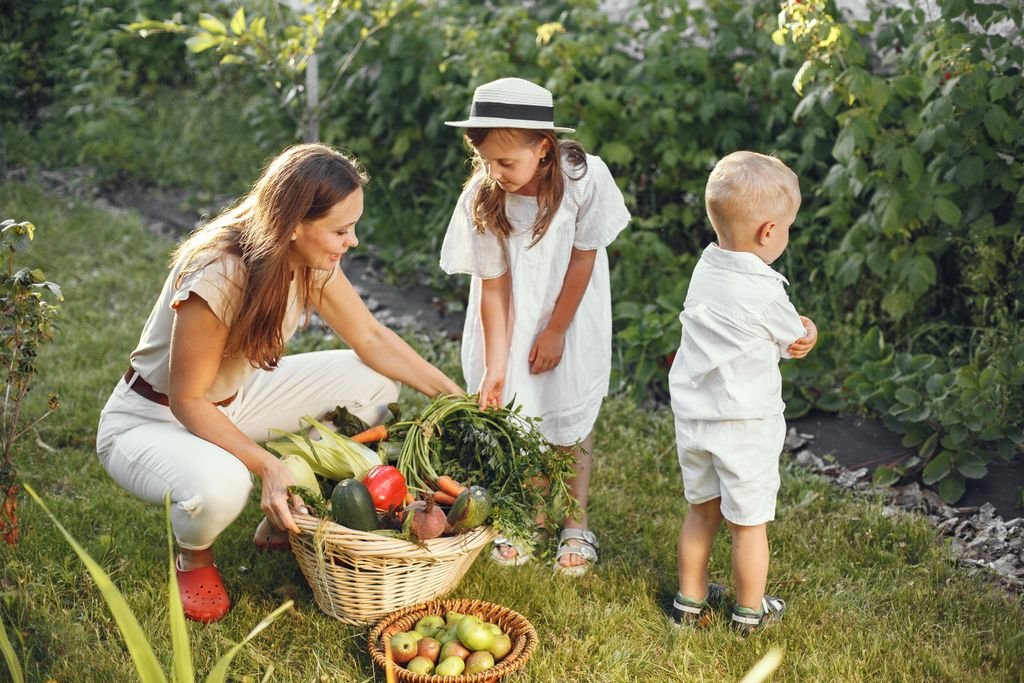
Children who grow food are more willing to cook food.
Growing teaches
– curiosity – experimentation – pride – ownership –
Consider for a moment – what learning to grow enables
– A child who grows basil could learn to make pesto.
– A child who grows tomatoes can make a sauce.
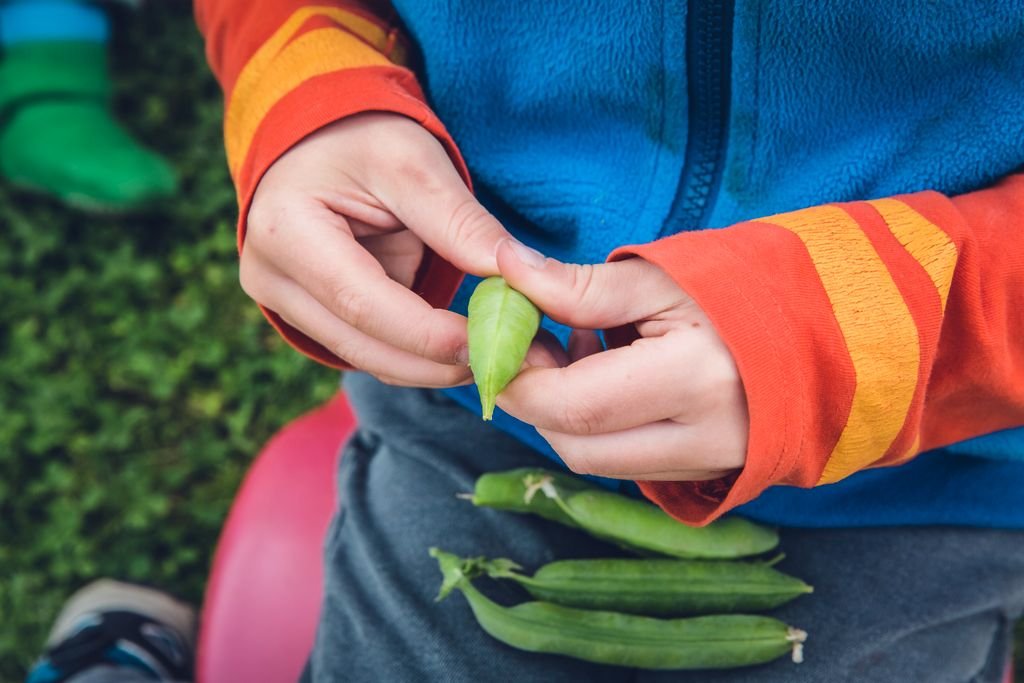
A child who grows peas will want to taste them straight from the pod.
Growing creates motivation, the missing ingredient in most food education.
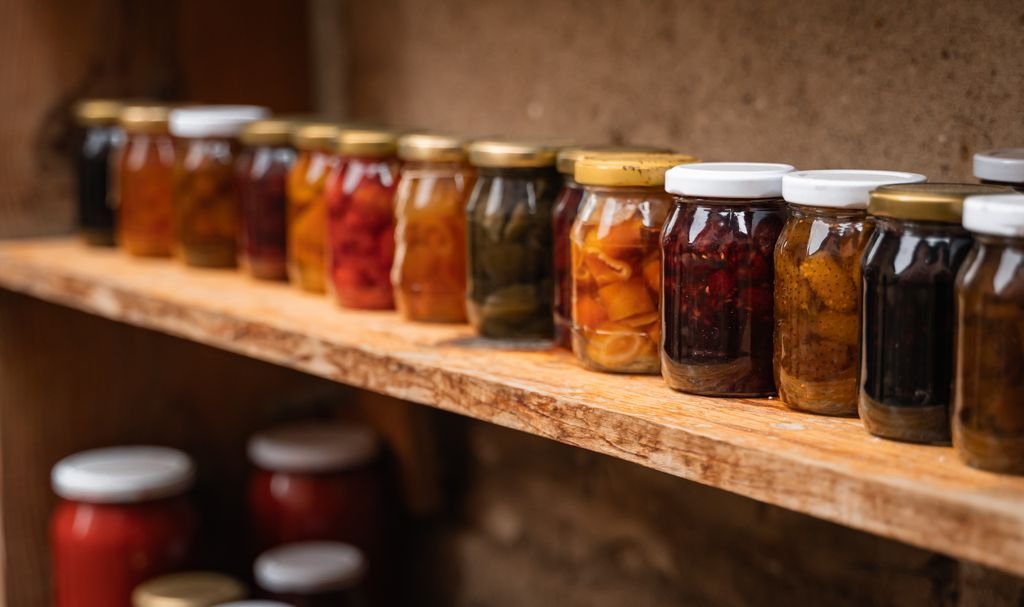
Growing Food Supports Preserving Skills
Growing and preserving are natural partners.
Children who grow food learn
– how to freeze herbs – how to dry fruit –
– how to pickle vegetables – how to bottle tomatoes –
– how to reduce waste –
Preserving teaches children how to make food last, a skill that supports affordability and independence.
Growing Food Builds Resilience
Growing food teaches children
– patience – responsibility – problem solving –
– resilience – environmental awareness –
They learn that
– plants fail – weather changes – pests appear – mistakes happen –
Growing teaches children how to adapt, a skill they will use far beyond the kitchen.

Growing Food Must Be Part of School Education
Schools are the only place where every child can access food literacy.
Growing food must be part of the curriculum from ages 4–16.
Ages 4–7
planting seeds
tasting vegetables
exploring soil
Ages 8–11
maintaining gardens
growing simple crops
understanding seasons
Ages 12–14
crop planning
soil health
basic preservation
Ages 15–16
full growing cycles
budgeting for seeds
preserving harvests
Growing Food Creates Lifelong Skills
Children who grow food learn
– confidence – independence – affordability – sustainability – resilience –
These are life skills, not hobbies.
Growing food is the first step in food literacy because it teaches children everything the modern food system hides.
Conclusion – Growing Food Is the Foundation of Food Literacy
Growing food reconnects children with real ingredients, real skills and real understanding.
It builds confidence, affordability and independence.
It teaches children how food works, not just how it tastes.
Growing food is not optional. It is essential.
This is how we help the next generation live beyond the label.