How Packaging Shapes What Kids Believe About Food
Children don’t learn about food from ingredients. They learn about food from marketing.
Before they can read, children recognise logos.
Before they understand nutrition, they understand characters, colours and claims.
Before they know what real food looks like, they know what branded food looks like.
Food marketing is one of the most powerful forces shaping children’s food choices and one of the least understood.
It influences what children ask for, what families buy and how confident children feel around real ingredients.
This article explores how food marketing targets children, how packaging shapes beliefs and why teaching children to decode labels is essential for food literacy.
Children Learn Food Through Packaging, Not Ingredients
Children are visual learners. Food companies know this.
Packaging teaches children
– what healthy looks like
– what fun looks like
– what normal looks like
– what kid friendly looks like
– what treats look like
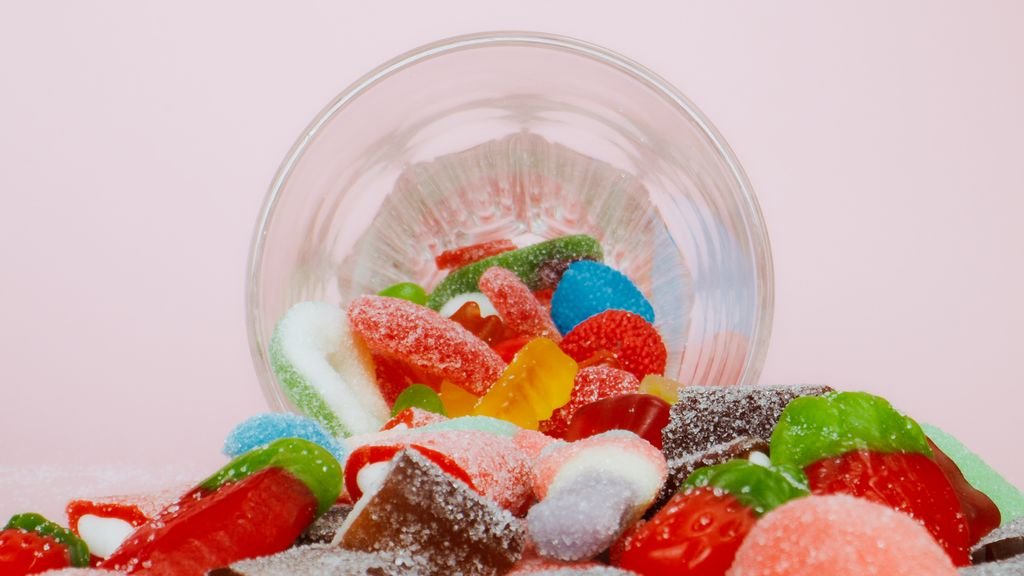
Bright colours, cartoon characters, mascots, shapes and slogans create emotional shortcuts.
Children learn to trust packaging long before they learn to trust ingredients.
Marketing Teaches Children That UPFs Are Kid Food

Ultra processed foods dominate children’s aisles because they are
– cheap to produce
– easy to flavour
– easy to shape
– easy to brand
– easy to market
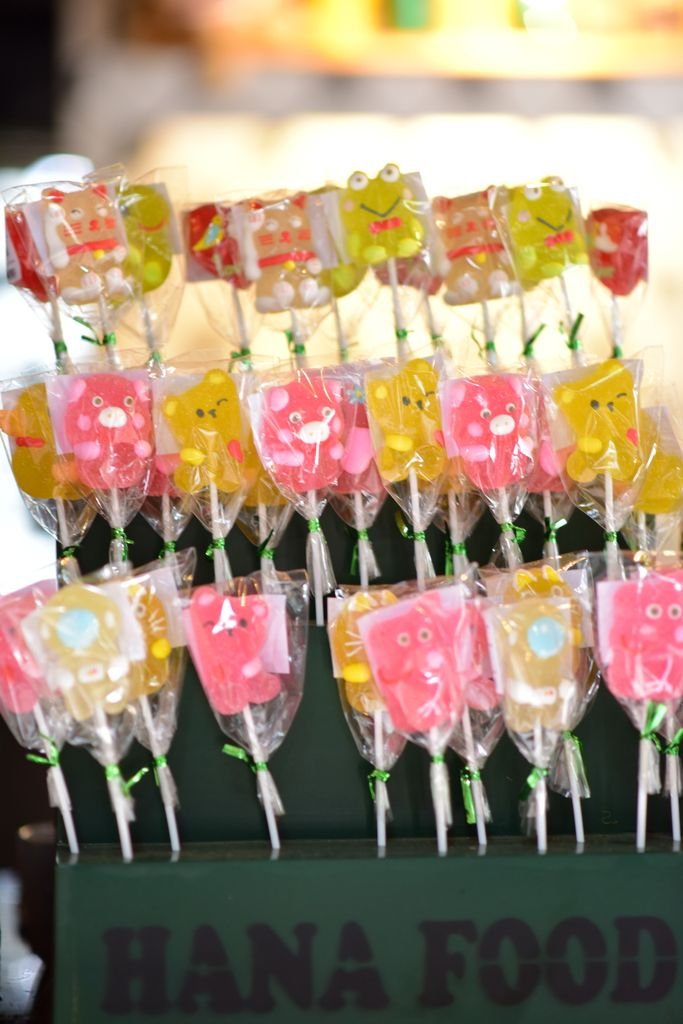
Children’s products often include
– cartoon characters
– bright colours
– exaggerated claims
– fun shapes
– collectible packaging
– kid approved slogans
This creates a powerful message
UPFs = food made for children.
Real food rarely receives the same attention.
Health Claims Mislead Children and Parents

Food marketing uses health language to create trust:
– high in fibre
– source of vitamins
– no artificial colours
– wholegrain
– fortified
– low fat
– high protein
These claims often distract from:
– high sugar
– high salt
– additives
– emulsifiers
– stabilisers
– refined oils
– ultra processing
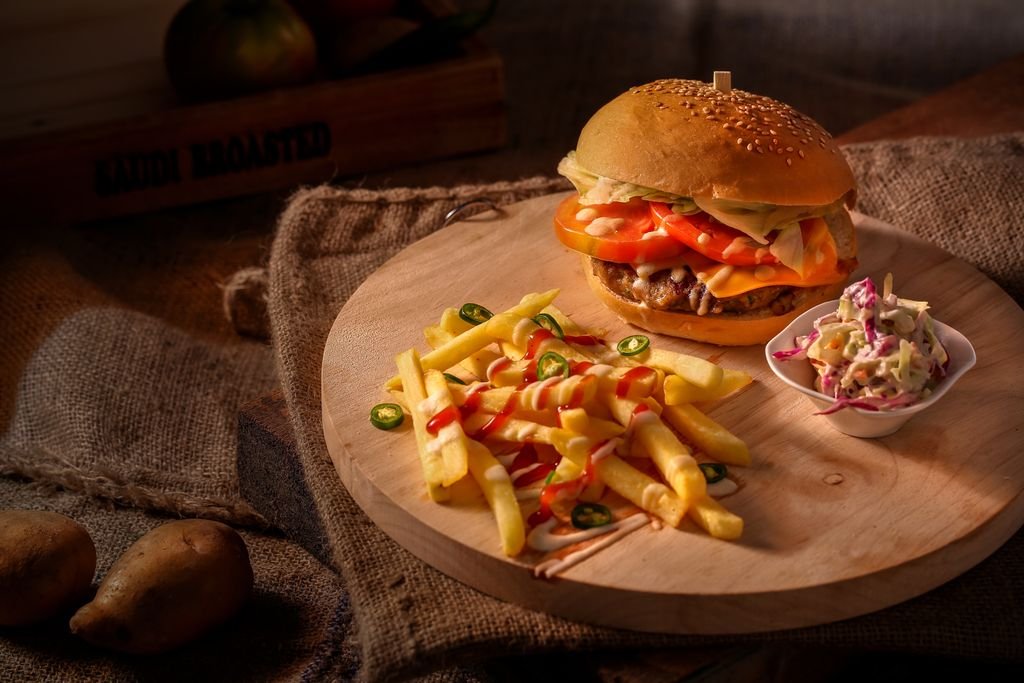
Children learn nutrition through branding not biology.
Parents learn affordability through packaging not reality.
Marketing Targets Children Long Before They Understand Food
Food companies use a variety of media to target children, through the use of
– TV ads – You Tube ads – TikTok trends –
– supermarket placement – eye level packaging – characters & mascots –
– collect them all promotions – influencer partnerships –
Children become brand loyal before they become food literate.
This shapes
– what they ask for – what they expect – what they believe is normal – what they think is healthy –
– what they think food should look like –
Marketing fills the gap left by missing food education.
Marketing Makes Real Food Look “Boring”
Children learn that real food is boring because it isn’t marketed. They learn that UPFs are exciting because they are.
This is not a failure of parenting — it’s a failure of the food system.
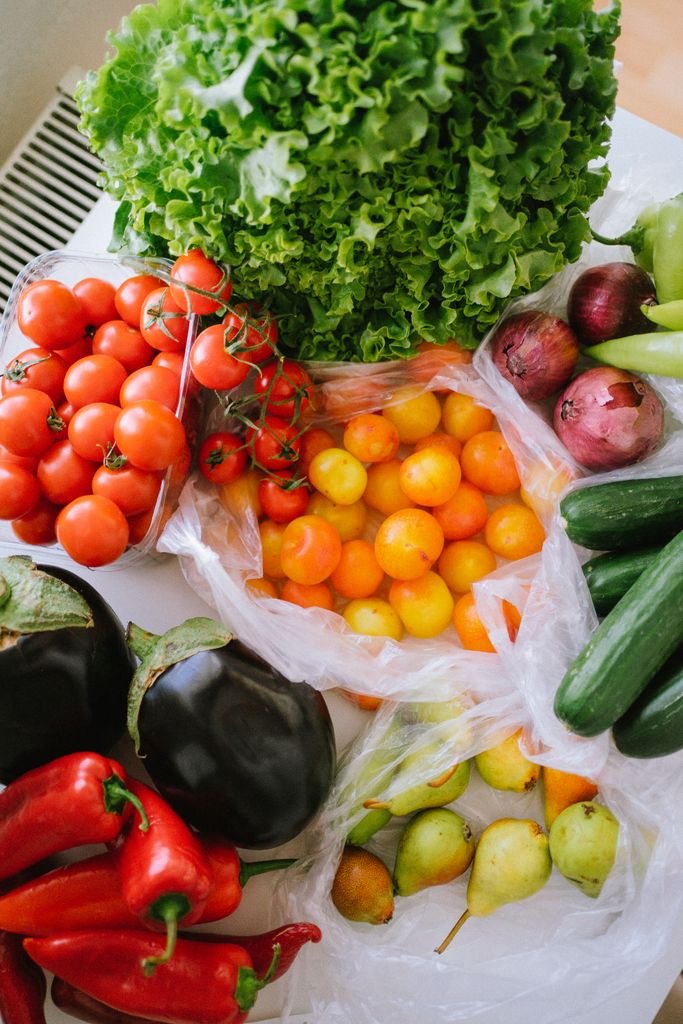
Real food is
– simple
– plain
– unbranded
– predictable
– natural
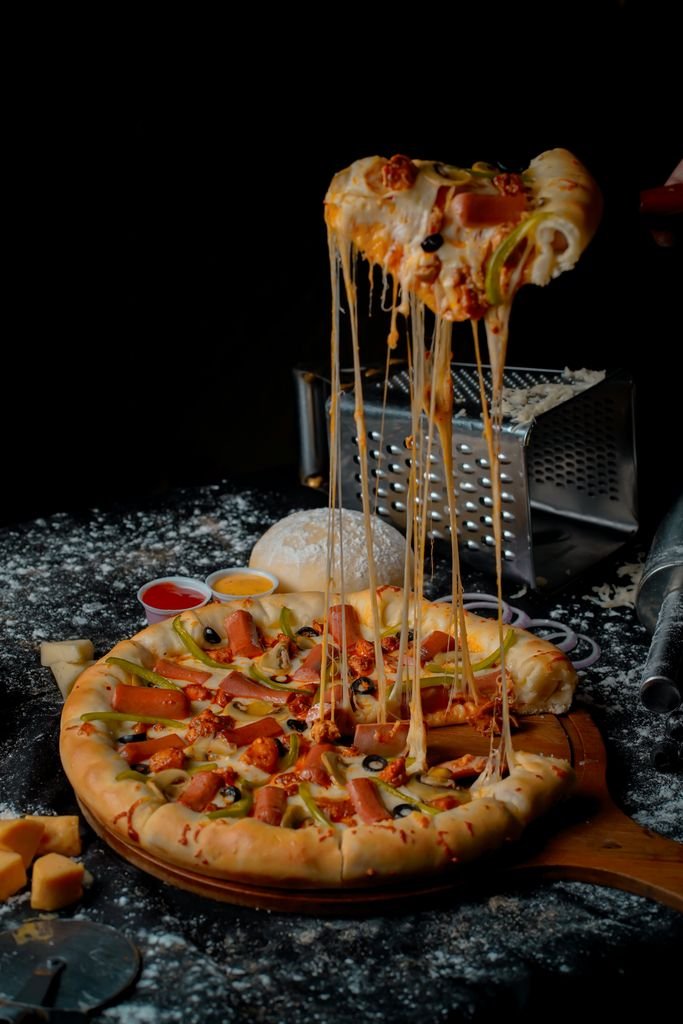
UPFs are
– colourful
– exciting
– character driven
– flavour engineered
– heavily advertised
Children Need to Learn How to Decode Labels
Food literacy must teach children
– how to read ingredient lists
– how to spot additives
– how to recognise marketing tricks
– how to compare real food vs UPFs
– how to understand processing
– how to question health claims
– how to identify misleading language
Children need to learn
– no artificial colours doesn’t mean unprocessed
– wholegrain doesn’t mean healthy
– fortified doesn’t mean nutritious
– natural flavouring doesn’t mean natural
– low fat doesn’t mean good for you
Decoding labels builds critical thinking, not fear.
Marketing Must Be Balanced With Real Food Education
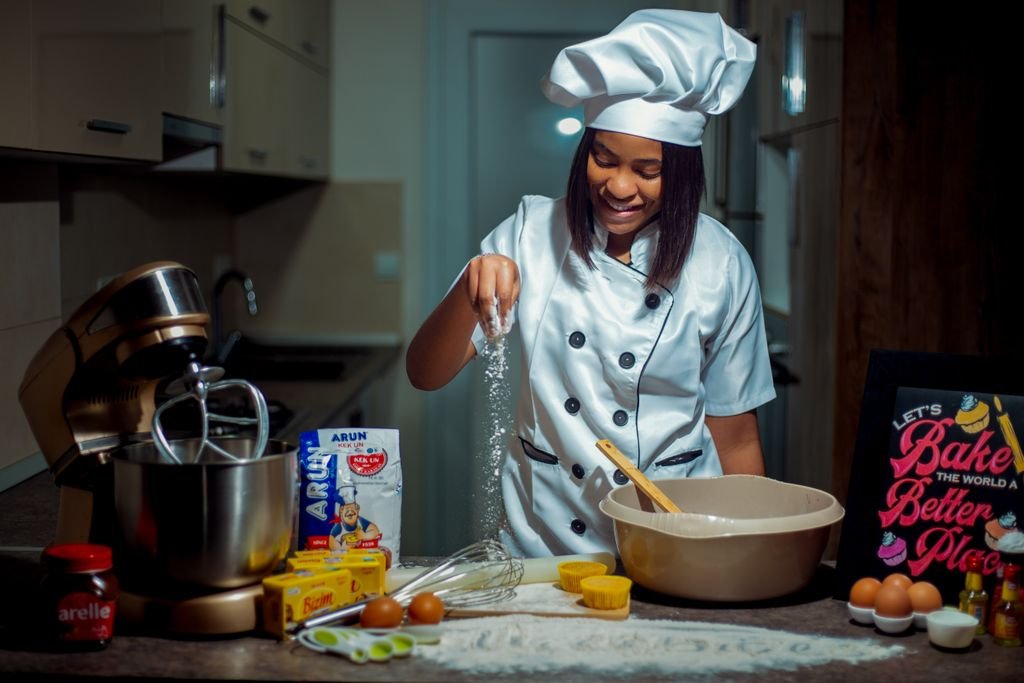
Children need exposure to growing, cooking, preserving, seasonal eating, real ingredients, real flavours and real food systems.
Marketing teaches children what brands want them to believe.
Food literacy teaches children what food really is.
Food Marketing Shapes Children — Food Literacy Protects Them
Food marketing teaches children what to want.
Food literacy teaches children what to choose.
Marketing isn’t going away and we don’t need to eliminate it.
We just need to teach children how to see through it.
Marketing becomes less powerful when children understand how it works.
Marketing isn’t the enemy, ignorance is.
Children deserve to understand food beyond packaging, branding and claims.
This is how we help the next generation live beyond the label.