Extreme Weather Is Reshaping Our Food Supply
The UK is facing one of its most severe food‑security challenges in decades due to extreme drought, repeated heatwaves and
restricted irrigation, effecting food production due to prolonged dry weather, drought driven crop losses,
rising input costs and livestock pressures.
Recent News reports show
*Wheat yields down 14% and oat production down 9% this year
* England experienced the driest July in 190 years, with just 5% of expected rainfall in August so far (26.08.26)
* Over 27 million people are under hosepipe bans as reservoirs and rivers run low.
* Farmers are using winter feed early due to poor grass growth, reducing milk volumes and livestock resilience.
* Vegetable growers report up to 20% reductions in yields for crops like sweetcorn, beans, peas and brassicas.
The NFU warns that continued drought could lead to shortages of certain British‑grown foods and is urging government action to support water security and domestic food production.
This is a developing situation and one that directly affects families, pricing, and the future of British produce.
What does this mean in consumer terms?
1. Extreme Dry Weather Has Hit Crop Yields Hard
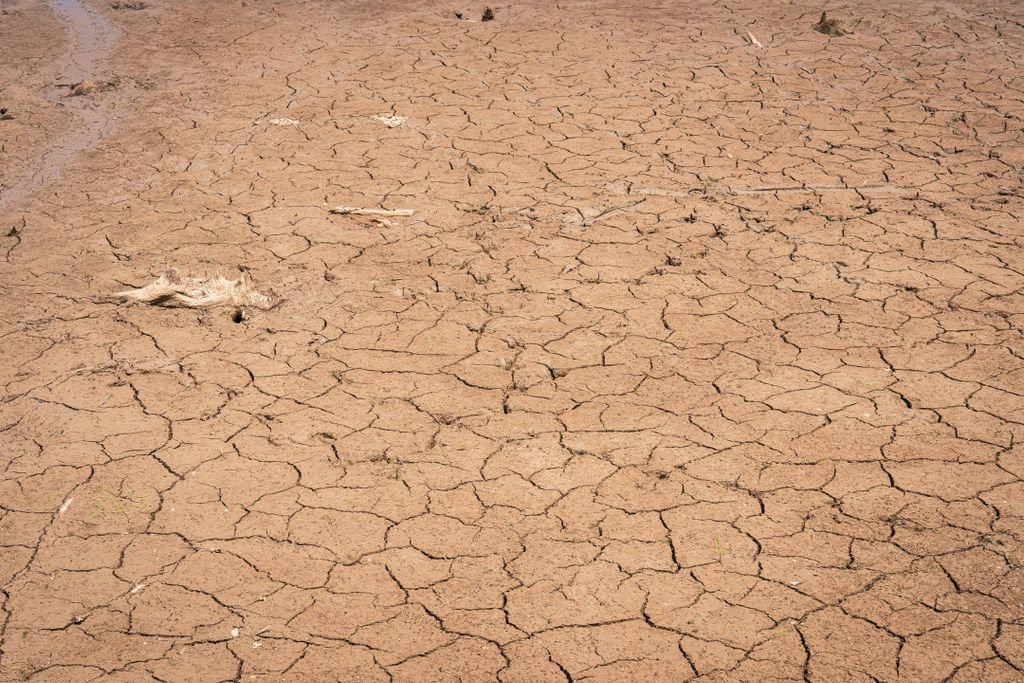
Months of hot, dry conditions have accelerated harvests and reduced yields across key crops
– Wheat yields are below both last year and the 10‑year average,
currently around 6.8 t/ha (vs 7.2 t/ha in 2025 and 7.9 t/ha 10‑year average).
– Winter barley is averaging 6.8 t/ha, slightly below normal.
– Spring barley is down to 5.3 t/ha, below historical levels.
– Oat yields are 4.9 t/ha, below the long‑term average.
The NFU warns that the 2026 drought is “far beyond normal”, with widespread impacts on crop quality, farm incomes and national food resilience.
Lower Crop Yields = Ground Up Disruption of the Entire Food Chain
“The UK farming crisis isn’t just about lower harvests,
it is a ground‑up disruption of the entire food chain, from crops grown on British soil to animal feed, livestock costs,
supermarket pricing and our growing dependence on expensive global imports“
2. Livestock Farmers Are Facing Severe Forage Shortages
Dry weather has restricted grass growth, forcing farmers to use winter feed months early.
Estimated forage shortfall – 196,300 tonnes of dry matter.
Replacing this feed could cost £34 million nationally.
Dairy farmers are also battling the worst bluetongue outbreak to reach the UK, adding further pressure to already strained herds.
Livestock farmers are already using winter feed months early.
Forage Shortages = Pressure on Dairy & Meat
“Less grass and higher feed costs mean milk, cheese and meat become more expensive to produce
and some farmers may reduce herd sizes to cope reducing quantity available and costs to rise”
3. Rising Costs Are Pushing Farmers to Breaking Point

Input costs have surged
Nitrogen fertiliser costs up £303 million nationally.
Red diesel costs up £200 million.
One grower reported being £220,000 down on their usual harvest.
A dairy farmer is spending £500/day on extra fodder.
The NFU warns that without urgent support, more farm businesses may fail, threatening future food supply.
Rising Farm Costs = Higher Prices for Everyday Staples
“Fertiliser, fuel and feed costs have surged.
When farmers pay more to produce food, whether here in the UK or Globally,
Supermarkets pass these costs onto the consumer.
Expect price rises or smaller pack sizes across cereals, dairy, meat and vegetables”
4. Farmers May Struggle to Plant Next Year’s Crops
Due to drought, disease, and cashflow crises, many farmers fear they won’t have the funds to plant 2027 crops.
Industry leaders are calling for a government‑backed “Keep Britain Growing” loan to prevent a collapse in domestic food production.
Struggling to Plant Next Years Crops = Long Term Risk
“If farmers can’t afford to plant next season’s crops, the problem doesn’t end with this year’s drought,
it rolls into next year, reducing future supply and weakening the UK’s food resilience.
This is where food security becomes a multi‑year issue, not a seasonal one“
5. What This Means for Consumers
If conditions continue, the UK could see
– Reduced availability of British‑grown cereals –
– Higher prices for dairy and meat due to feed shortages –
– More reliance on imported produce –
– Greater vulnerability to global supply chain shocks –
The NFU stresses “We can’t produce food without water”
The Live Beyond the Label Perspective
The UK Food Security Risk & What Families Can Do

The UK is entering a period where food security is no longer an abstract concept, it is becoming a real world issue shaped by extreme weather, reduced yields, rising costs and pressure on British producers.
We have to stop the noise and panic.
We need to be aware and prepared.
At Live Beyond the Label, we believe clarity is power.
So here is our interpretation of the truth and what you can do about it.
Our Common Sense Approach to What is Happening Right Now
We know that –
Extreme dry weather and repeated heatwaves have reduced yields across wheat, barley, oats and vegetables.
Farmers are using winter feed early.
Costs are rising faster than incomes.
Some growers fear they may not be able to plant next year’s crops without support.
This means the UK may face –
Less British‑grown produce
More reliance on imports
Higher prices for certain staples
Greater vulnerability to global supply shocks
It’s not about scarcity today – It is about fragility tomorrow.
What You Can Do as an Individual/Family
– Not fear – Not stockpiling – Just smart, grounded, British family action –

1. Support British Producers Wherever You Can
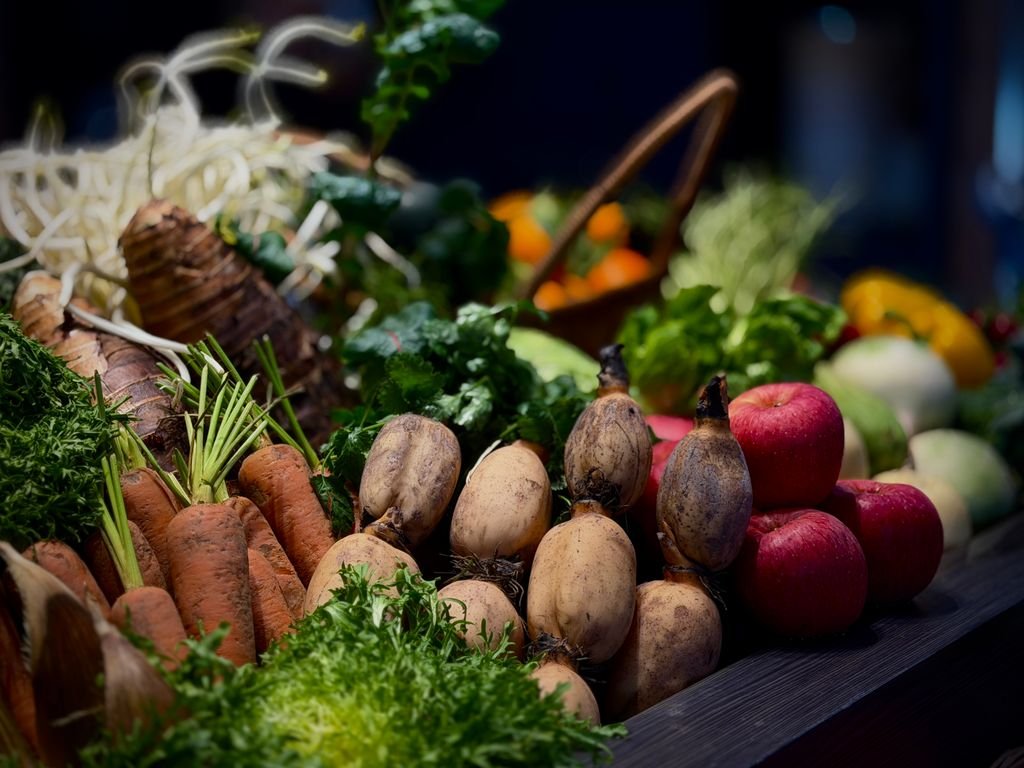
Every pound spent on British produce strengthens domestic resilience.
Look for
– Local farm shops – British‑grown fruit & veg – UK dairy & meat – Founder‑led brands – Seasonal produce
This is exactly why we’re launching Rooted in Britain,
to make it easier for families to find and support honest, home‑grown products.
Our British Directory will launch in September
providing consumers with Live Beyond the Label aligned brands and businesses.
“Put your money directly in the palm of your British Providers“
2. Build a Real Food Foundation at Home
Food security isn’t just about supply, it is about skills.
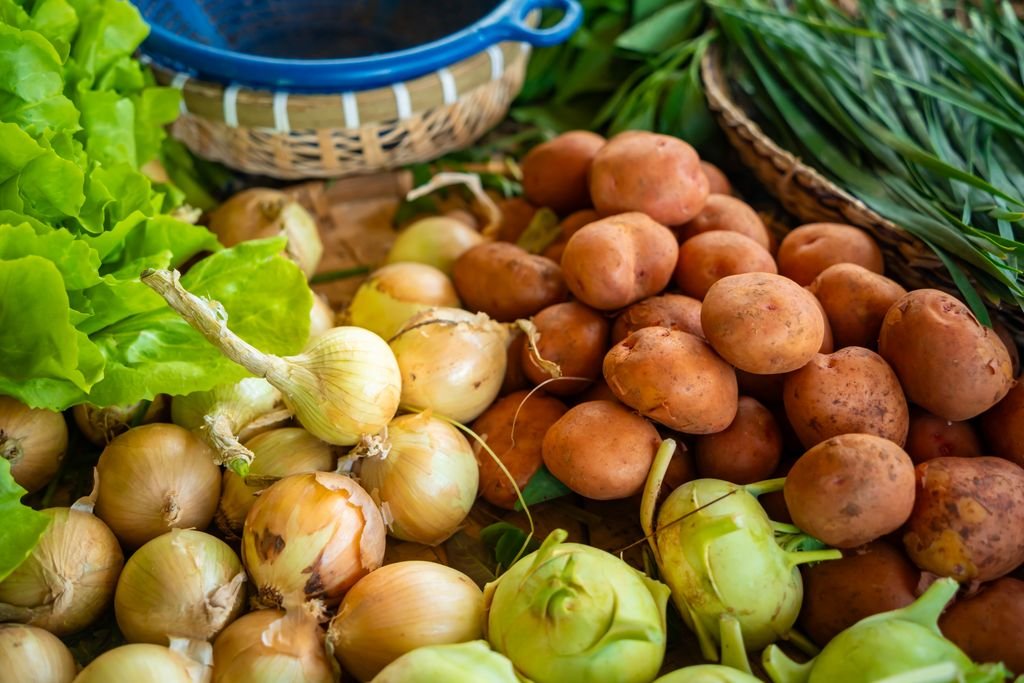
Families who can – cook from scratch – adapt recipes – use seasonal produce – reduce reliance on UPFs – stretch ingredients – are naturally more resilient.
This is why your Cornerstone Food Education Series matters.
It teaches children (and adults) the skills that protect households long‑term.
3. Reduce Dependence on Ultra‑Processed Convenience
UPFs rely heavily on global supply chains.
Real food relies on soil, seasons and local producers.
Shifting even 20–30% of your weekly meals to real ingredients strengthens household resilience, reduces reliance on imports, supports British agriculture and improves long term health.
Our upcoming Real‑Food Subscription will help families do exactly this.
4. Learn to Cook Seasonally & Flexibly
Food security improves when households can adapt to what’s available.
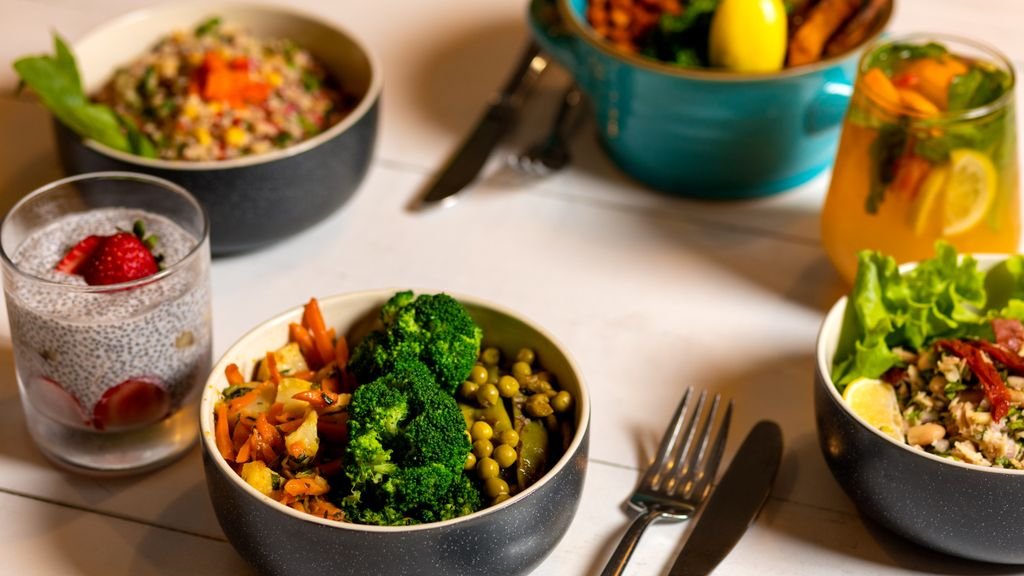
This means swapping ingredients, using frozen British produce, cooking with seasonal veg and learning simple, versatile recipes.
Our upcoming Real Food subscription’s will provide recipes that inspire you to cook nutrient dense recipes, with a section full of flexible ingredient recipes.
5. Keep a Small, Sensible Pantry Buffer
Not stockpiling, just common‑sense preparedness.
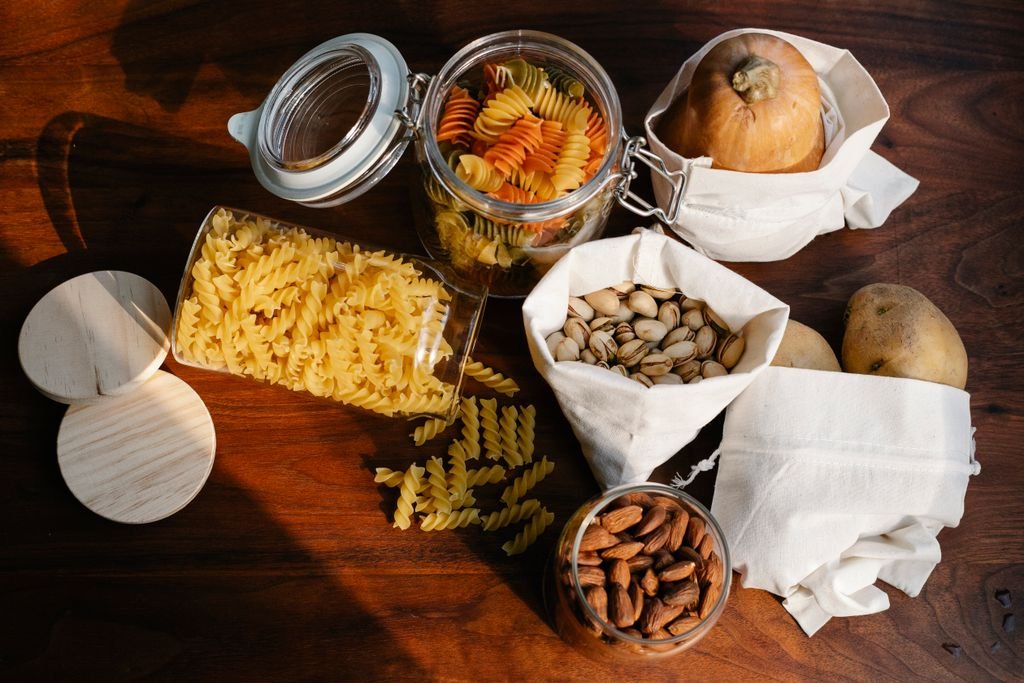
A resilient pantry includes
tinned single ingredients, pulses, rice, oats, pasta,
frozen veg, long life basics, simple ingredients for ‘from scratch’ cooking
This isn’t prepping – It is practical British living.
Stay Informed – Without the Noise
Food security is often misreported with fear‑based headlines.
Our monthly newsletter will provide you with
clear updates, evidence led breakdowns, practical guidance, honest context
No hype – No panic – Just Clarity
Food security isn’t about fear.
It’s about understanding the system, supporting British producers and building real‑food confidence at home.
Families who can decode labels, cook flexibly and rely less on UPFs are
naturally more resilient, whatever the future holds.