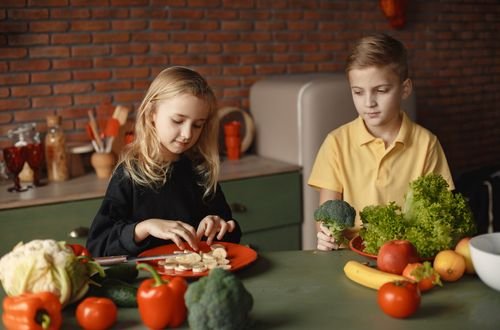
A Practical Curriculum for Ages 4–16 Food literacy isn’t a single lesson, a term of baking, or a one off project. It’s a developmental journey one ,that should grow with children from early years through to adolescence. Right now, schools teach Food Tech, which focuses on recipes, products and basic kitchen tasks. However real food education is something entirely different. Real food education teaches children how food is grown, how it’s cooked, how it’s preserved, how it’s budgeted for and how it fits into the wider food system. It builds confidence, independence and resilience, the skills children will use for life. This article outlines what a meaningful, age…
Preserving food is one of the most powerful, yet mostly forgotten food skills. For generations, families preserved food to stretch budgets, reduce waste and make seasonal produce last through the year. Today, most children grow up with no understanding of how food can be frozen, fermented, bottled, dried or pickled. As a result, real food feels expensive, short lived and intimidating. Preserving food changes everything. – It makes real food affordable – It makes real food accessible – It makes real food last – This article explores why preserving skills matter, how they support food literacy and why every child should learn them. Why Preserving Matters More Than…
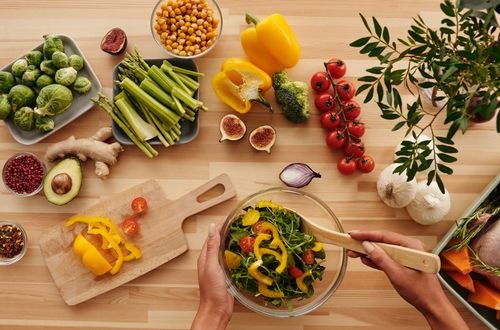
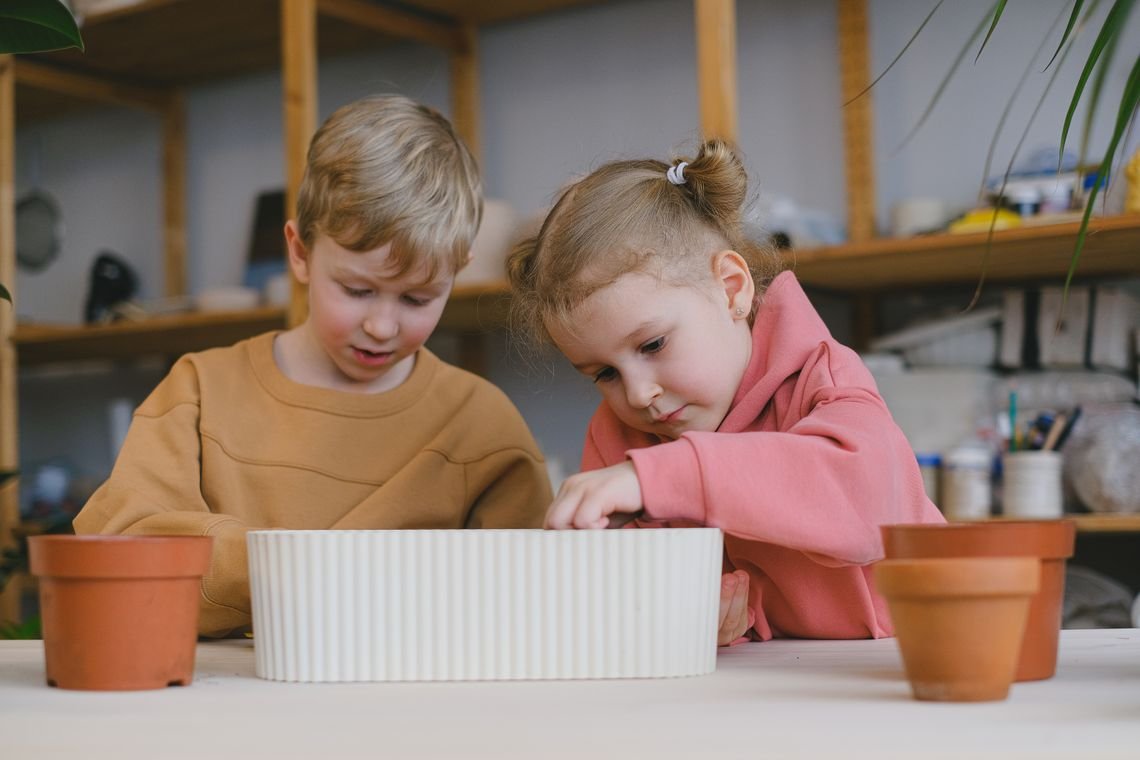
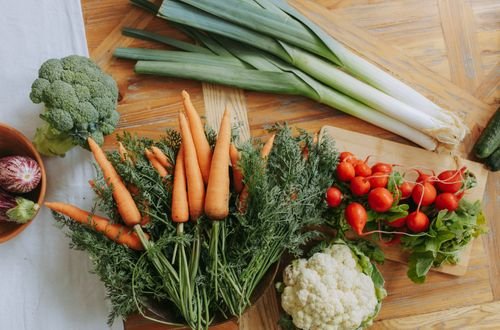
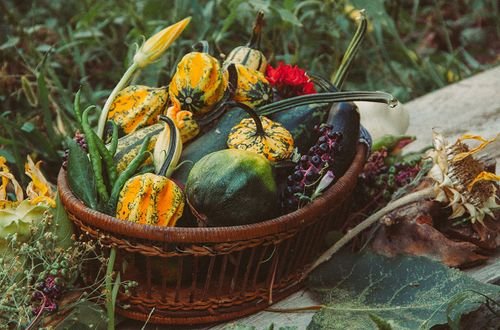
The Foundation of Food Literacy starts with Growing Food Growing food is the simplest, most powerful way to teach children where food comes from, how it behaves and why real ingredients matter. Cooking teaches technique. Preserving teaches resourcefulness. Growing teaches understanding. The kind of understanding that cannot be learned from packaging, recipes or classroom posters. When children grow food, they learn patience, responsibility, seasonality and confidence. They learn that food is alive, not manufactured. They learn that ingredients don’t have to be expensive. They learn that real food is accessible, not intimidating. This article explores why growing food is the first step in food literacy, why it matters…
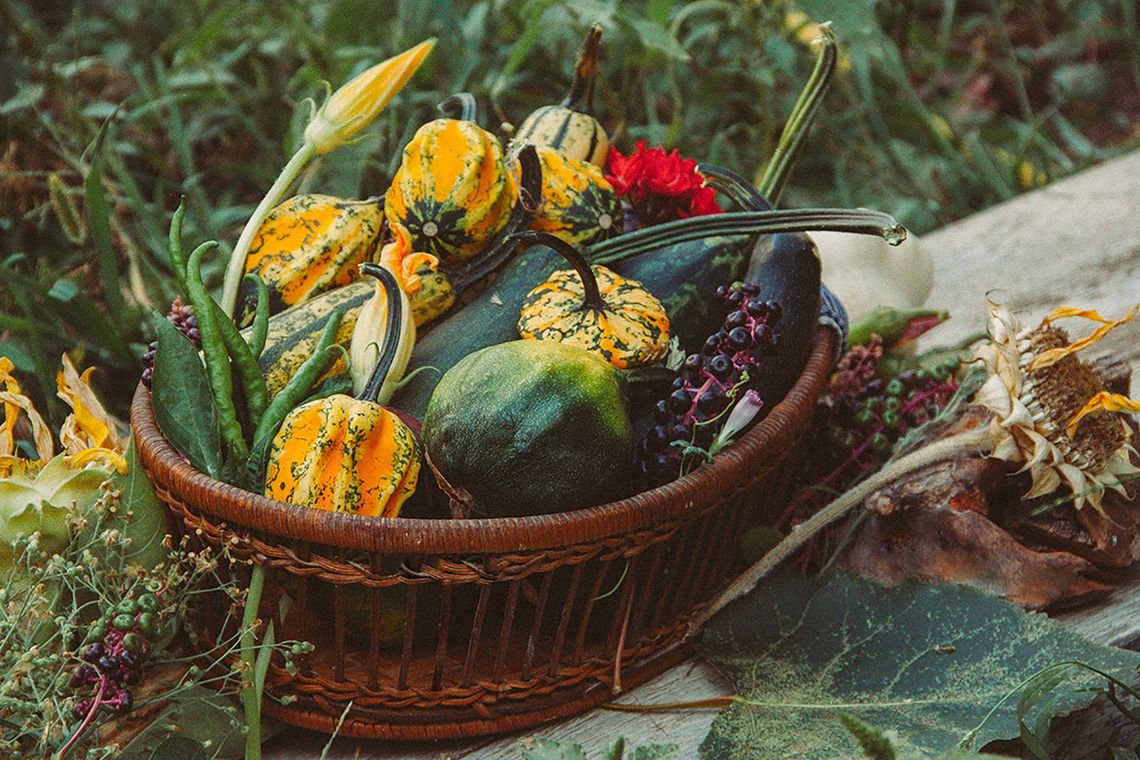
Teaching Children How Food Really Works Most children grow up believing food is available all year round. – Strawberries in December – Tomatoes in January – Lettuce in February – Supermarkets make everything look permanent, predictable and disconnected from nature but food isn’t permanent. It’s seasonal and when children learn seasonality, they learn how food really works. Seasonal eating is one of the most powerful parts of food literacy. It teaches children about nature, cycles, sustainability, affordability and the reality behind the food system. It helps them understand why real food tastes different, costs different and behaves different depending on the time of year. This article explores why…
How Packaging Shapes What Kids Believe About Food Children don’t learn about food from ingredients. They learn about food from marketing. Before they can read, children recognise logos. Before they understand nutrition, they understand characters, colours and claims. Before they know what real food looks like, they know what branded food looks like. Food marketing is one of the most powerful forces shaping children’s food choices and one of the least understood. It influences what children ask for, what families buy and how confident children feel around real ingredients. This article explores how food marketing targets children, how packaging shapes beliefs and why teaching children to decode labels…
Why Affordability Must Be Part of Food Literacy Food literacy only works if families can afford real food. We can teach children to grow, cook and preserve food but those skills become meaningless if the ingredients they need are out of reach. Right now, many families are being priced out of real food and pushed toward ultra‑processed foods (UPFs) because the system makes convenience the cheapest option. This article explores why real food feels expensive, why UPFs dominate family budgets and why affordability must be part of any conversation about rebuilding food literacy. The Reality Families Aren’t Choosing UPFs – They Are Cornered Into Them Ultra‑processed foods aren’t…
Food Tech Isn’t Food Education – Why Schools Are Failing Children Most children in Britain leave school knowing how to bake a tray of scones, follow a simple recipe or assemble a pasta bake, yet they have no idea how to grow food, cook real meals, preserve seasonal produce or understand nutrition beyond marketing. This isn’t because teachers don’t care. It’s because the curriculum isn’t designed to teach real food literacy. Food Tech, as it currently exists, is not food education. It is a fragmented, outdated, surface level subject that teaches children how to follow instructions, not how to feed themselves confidently and independently. This article explores why…
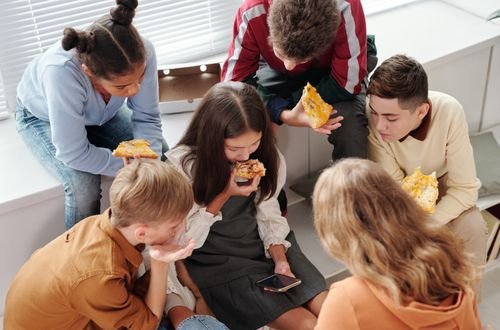
Convenience isn’t the Enemy, it is a Symptom For decades families have been told to “cook more,” “eat better,” and “avoid convenience foods.” But this advice ignores the reality of modern life and what we are actually sold. Convenience isn’t the enemy, it is the symptom of a food system that has made real food expensive, time consuming and difficult to access. Ultra processed foods (UPFs) didn’t become popular because families stopped caring. They became popular because the system made them the easiest, the cheapest and the most predictable option. This article explores why convenience culture exists, why families rely on it and why rebuilding food literacy requires…
Why UPFs Are Cheaper Than Real Food and Why That Must Change One of the biggest barriers to food literacy is cost £££ We can teach children to grow, cook and preserve food, but those skills only become meaningful if families can afford real ingredients and right now, many can’t. Ultra processed foods (UPFs) are cheaper, faster, and more accessible than real food, not because they are better, but because the system is designed that way. This article explains why UPFs are cheaper, how the food system makes real food unaffordable and why affordability must be part of any conversation about food literacy. UPFs Are Engineered to Be…
Why Children Do Not Know Where Their Food Comes From Food literacy isn’t just about cooking, growing or preserving. It is also about understanding the origin of food — how it’s grown, reared, harvested and produced. Yet today, millions of children grow up with no real connection to food beyond what they see on supermarket shelves. This divide isn’t accidental. It’s the result of a widening gap between rural and urban experiences. A gap that has grown across three generations and now shapes how children understand food, health, and the world around them. This article explores why the rural–urban divide matters, how it developed and why bridging it…