A Practical Curriculum for Ages 4–16
Food literacy isn’t a single lesson, a term of baking, or a one off project.
It’s a developmental journey one ,that should grow with children from early years through to adolescence.
Right now, schools teach Food Tech, which focuses on recipes, products and basic kitchen tasks.
However real food education is something entirely different.
Real food education teaches children how food is grown, how it’s cooked, how it’s preserved, how it’s budgeted for and how it fits into the wider food system.
It builds confidence, independence and resilience, the skills children will use for life.
This article outlines what a meaningful, age appropriate food literacy curriculum could look like from ages 4–16.
Why We Need a Real Food Curriculum
Children today grow up surrounded by
– ultra processed foods
– convenience meals
– aggressive marketing
– limited cooking skills
– rising food costs
– shrinking time for families to cook
– no exposure to growing or preserving
Food literacy has collapsed across three generations.
Families cannot teach what they never learned.
Schools are the only place where every child can access real food education.
Ages 4–7 Curiosity, Exploration & Early Skills

At this age, food education should be sensory, simple and joyful.
What children could learn in their first school years
– planting seeds – tasting vegetables – exploring colours, textures and smells –
– understanding where food comes from – simple cooking tasks (mixing, washing, tearing) –
– identifying fruits and vegetables – learning basic kitchen safety –
– recognising seasons through food –
Why does it matter at this early stage?
– Children build curiosity, confidence and familiarity with real ingredients.
– They learn that food comes from soil, not packaging.
Explore: growing food
Ages 8–11: Skills, Understanding & Early Independence
This is the stage where children can begin building real skills.
What children could learn
– maintaining school gardens – growing simple crops – basic knife skills –
– simple recipes using whole ingredients – freezing and drying foods – understanding seasons and food cycles –
– tasting sessions with new ingredients – reading simple food labels – recognising UPFs vs real food –
Why it matters
Children begin connecting growing → cooking → eating.
They learn that real food can be simple, affordable and enjoyable.
Ages 12–14: Confidence, Nutrition & Real World Skills
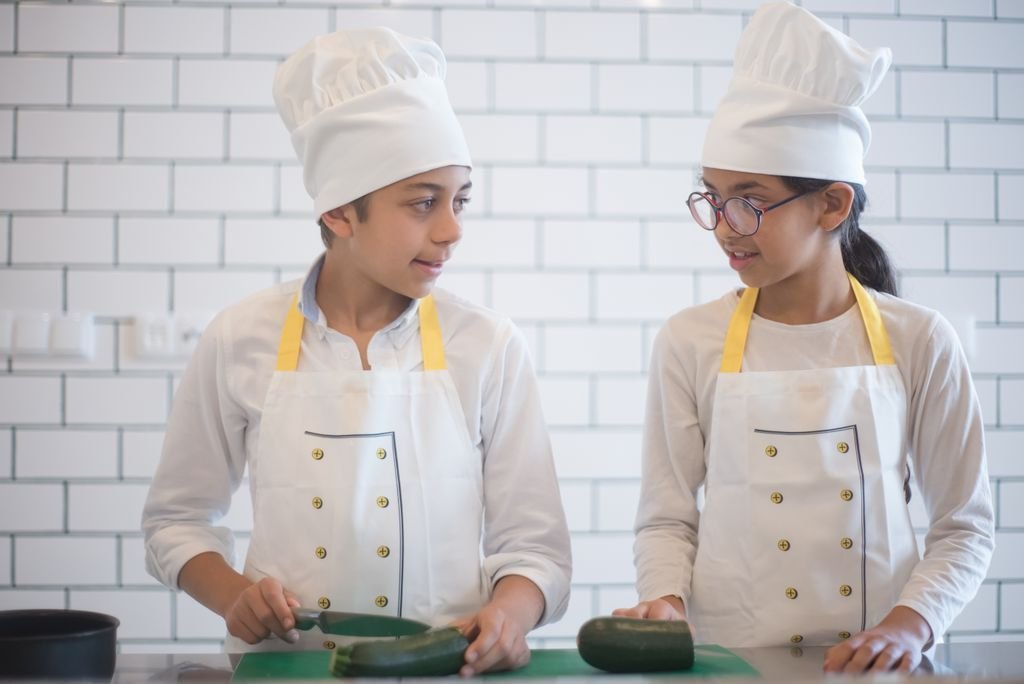
This is where food education should deepen but currently doesn’t.
What early teens are capable of learning
– nutrition beyond marketing – understanding food processing –
– cost per portion – meal planning – batch cooking – affordable swaps –
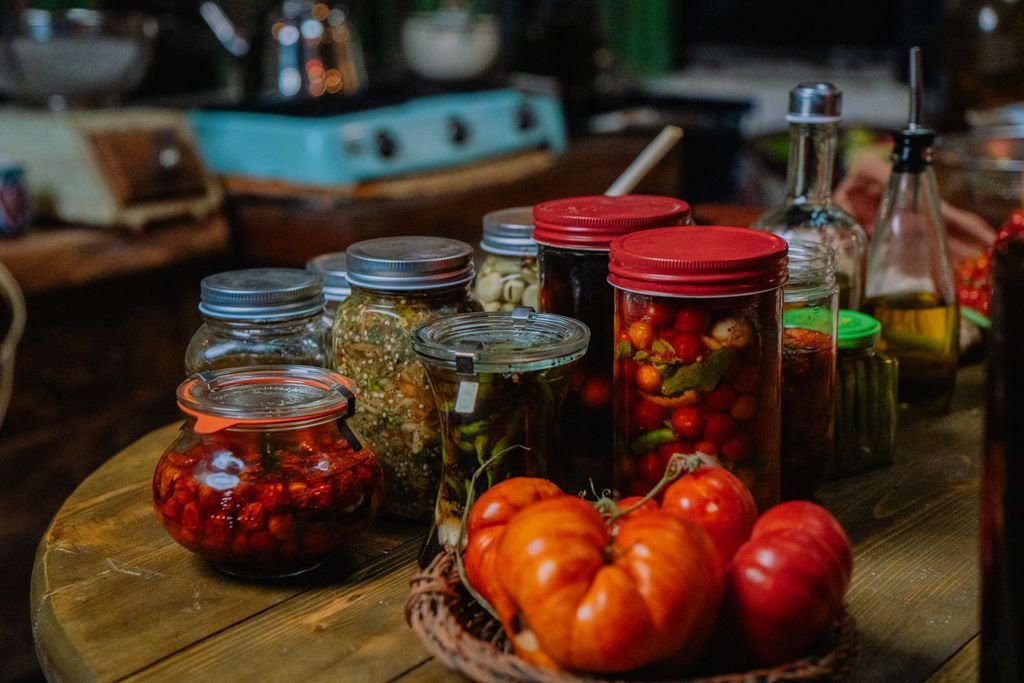
– freezing, fermenting and pickling basics – reading full ingredient lists –
– understanding food systems (farm → factory → shop) – comparing real food vs UPFs –
Why does it matter that we educate the next generation?
Children learn how to feed themselves affordably and confidently.
They begin to understand how the food system shapes their choices.
Ages 15–16: Independence, Preservation & Life Skills
This stage prepares teens for adulthood, the part Food Tech ignores entirely.
What we need to ensure teens know before they leave education
– cooking full meals from scratch –
– fermentation, bottling, pickling and drying –
– growing cycles and crop planning –
– budgeting for ingredients – shopping on a tight budget – reducing waste – stretching meals –
– understanding food marketing – reading labels beyond branding – preparing affordable weekly meal plans –
It matters for future generations that
Children leave school with real independence not just the ability to bake a tray of scones.
Affordability Must Be Built Into the Curriculum

Food literacy is meaningless if families cannot afford real food.
Children must learn
– cost per portion – affordable swaps – seasonal buying – batch cooking –
– growing low cost staples – preserving to reduce waste – simple meals with minimal ingredients –
Real food should not be a luxury and food education must reflect that.
Growing & Preserving Are Essential – Not Optional
Growing teaches
– patience – responsibility – seasonality – sustainability –
Preserving teaches
– resourcefulness – waste reduction – affordability – independence –
Together, they build resilience something UPFs cannot offer.
Food Tech Isn’t Enough — The Curriculum Must Change
Food Tech teaches
– recipes – baking – assembly – pre measured ingredients –
Real food education teaches
– growing – cooking – preserving – budgeting – food systems – confidence – independence –
Food Tech is not food education but it can evolve into it.
Conclusion – Real Food Education Builds Real Life Skills
A meaningful food literacy curriculum prepares children for adulthood.
It teaches them how to feed themselves confidently, affordably and independently.
It reconnects them with real food, real skills and real understanding.
– Food literacy is not optional – It is essential –
This is how we help the next generation live beyond the label.