Rebuilding Real Food Skills for the Next Generation
Food is one of the most fundamental parts of life yet for many children today, it is also one of the least understood.
This category uncovers the truth behind how children learn about food, why food literacy has collapsed across three generations, and how we can rebuild the essential skills of growing, cooking and preserving from ages 4–16.
From the rise of ultra‑processed foods to the disappearance of real food skills, this is where clarity meets confidence and where families, schools and communities can begin reconnecting children with real food.
Explore Food & Children Topics
Start here – Our Cornerstone Article
Food Education for Younger Generations
Rooted in Real Food – Why growing, cooking and preserving must be taught in schools.
Move on to Our Supporting Articles
(Series 1)
Three Generations of Convenience & Ultra Processed Foods
How food skills disappeared and why families can not teach what they never learned.
The Lost Skills of Food Literacy
Why cooking, growing and preserving knowledge broke across generations.
3. Rural vs Urban Disconnection
Rural vs Urban Food Disconnection
Why geography doesn’t guarantee food literacy and how schools can bridge the gap.
(Series 2)
Why UPFs Are Cheaper Than Real Food
The economic trap families face and why real food must be affordable.
5. Real Food Should Not Be a Luxury
Real Food Affordability
Why cost must be part of the food literacy conversation.
6. Convenience Isn’t the Enemy
Convenience as a Symptom
How time poverty, marketing and modern life shape children’s food habits.
(Series 3)
7. Food Tech Isn’t Food Education
Food Tech Failure
Why baking scones once a term doesn’t prepare children for real life.
8. What Real Food Education Could Look Like
Real Food Curriculum
A practical, realistic curriculum for ages 4–16.
Growing Food Literacy
Why growing is the foundation of food confidence.
10. Preserving Skills for Families
Preserving Skills
How preserving reduces waste, stretches budgets and builds independence.
11. Seasonal Eating & Food Systems
Teaching Children how Food really works.
Seasonal eating is one of the most powerful parts of food literacy.
It teaches children about nature, cycles, sustainability, affordability and the reality behind the food system.
12. Marketing Food and Children
How Packaging Shapes What Kids Believe About Food
Children don’t learn about food from ingredients. They learn about food from marketing.
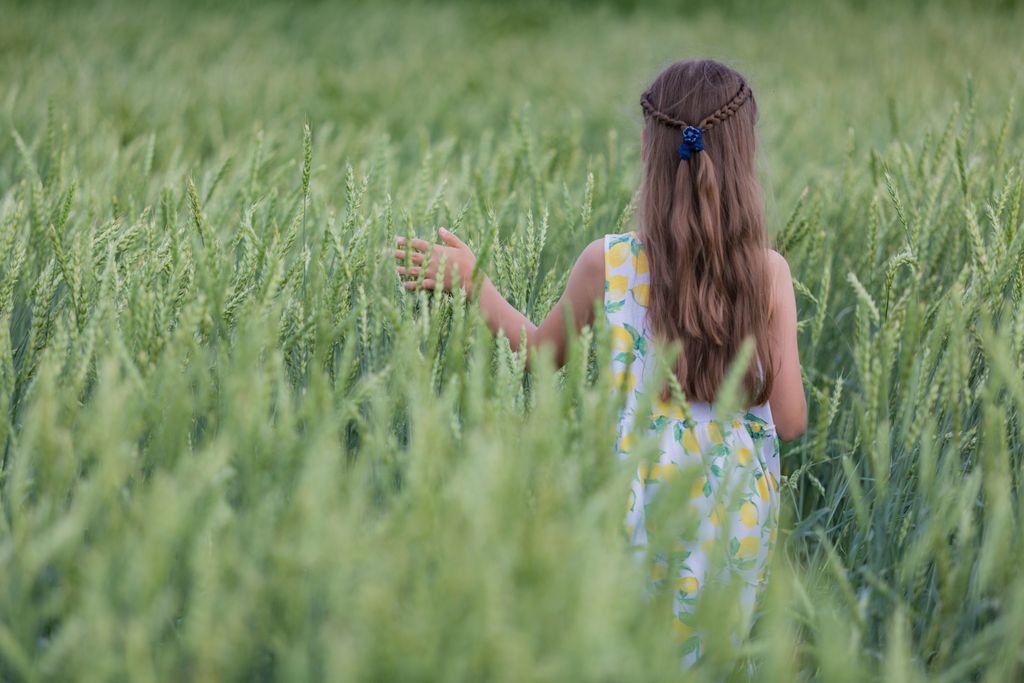
Why this Category Exists
This section explores
– food literacy – children’s food education –
– the generational loss of cooking, growing & preserving skills –
– the rise of UPFs and convenience culture –
– Real food affordability & access –
– the rural vs urban food disconnection –
– why Food Tech isn’t real food education –
– how schools can teach food from ages 4–16 –
– growing food with children –
– cooking confidence for families –
– preserving skills as a tool for affordability –
– seasonal eating & food systems –
– family friendly food literacy guides –
– future focused food education –
These posts help to understand what children have learnt, what they have not been taught and how we can build a healthier, more confident, more connected generation.
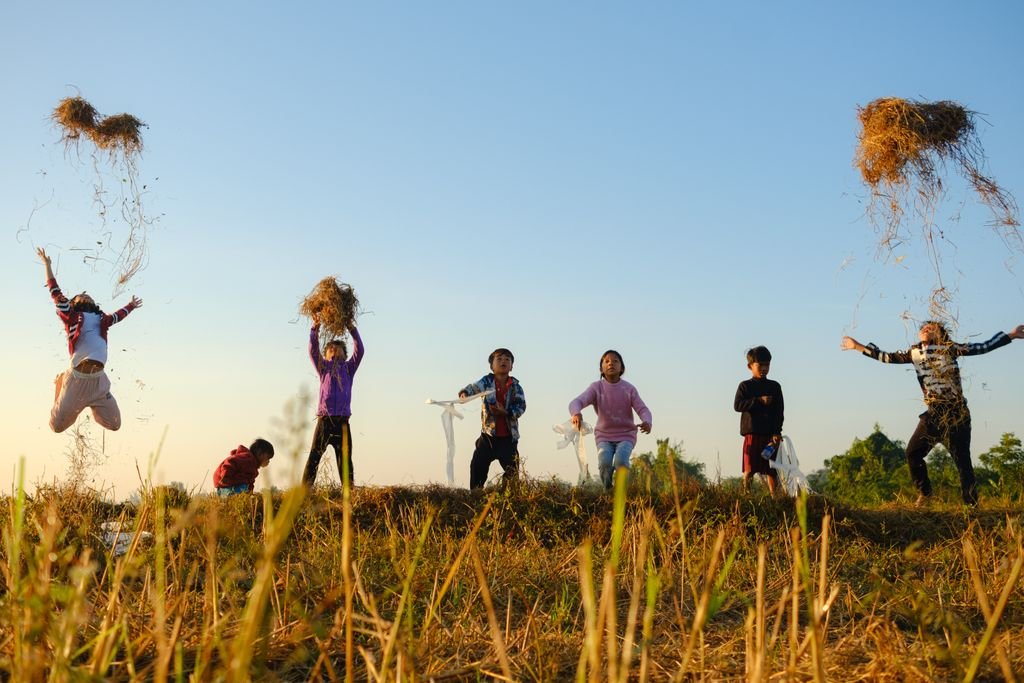
Why Food & Children Matter
Food literacy shapes
– health – independence –
– confidence – resilience –
– budgeting – environmental awareness – lifelong habits
Yet most children today grow up surrounded by
– ultra‑processed foods – convenience meals – aggressive marketing – limited cooking skills –
– minimal exposure to real ingredients – no understanding of food origins –
– rising food costs – shrinking time for families to cook –
Many parents want to teach their children real food skills but they have never learned them themselves.
Schools offer “Food Tech,” but it rarely teaches meaningful cooking, growing or preserving.
This category helps you cut through the noise, understand the system and rebuild the skills that matter.
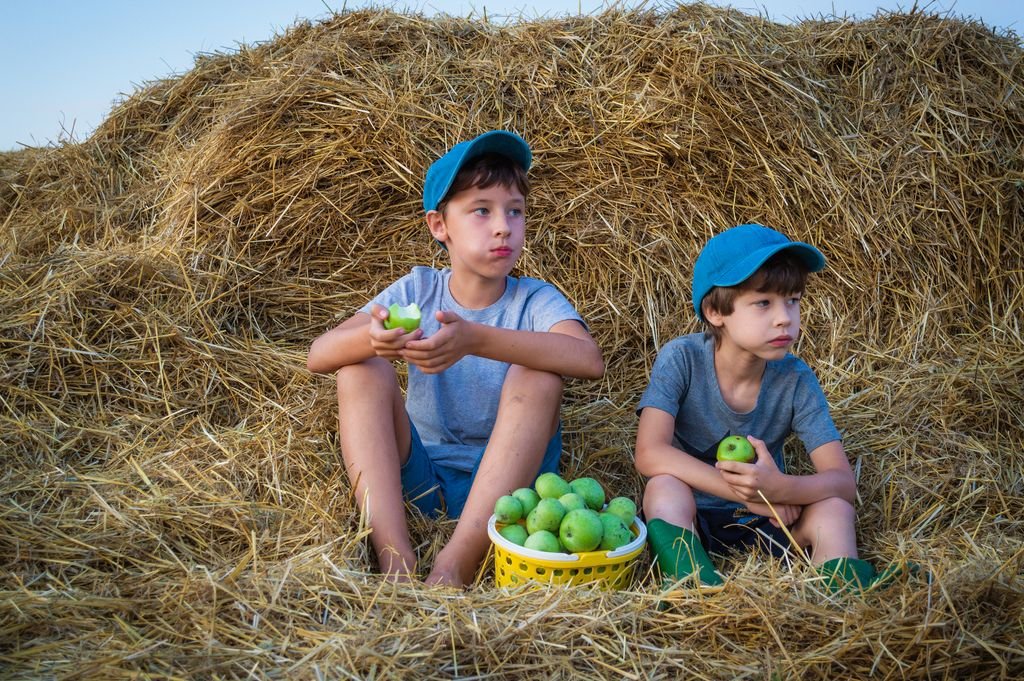
How This Category Works
Every Food & Children post connects to
– cornerstone insights – deep‑dive articles – practical family guides –
– seasonal food education – growing & preserving tutorials – school‑focused food literacy content –
This creates a seamless learning journey from
food → skill → confidence → independence → resilience
Every post is designed to help you make one better choice today & help children build lifelong confidence with food
Brand Spotlights & Trusted Alternatives
– British growers & producers
– small founder‑led food brands
– seasonal produce suppliers
– real‑ingredient food companies
– transparent, minimal‑ingredient products
– brands that support food education and sustainability
Explore Quick Swaps by Category
Choose the area you want to improve today
– Ultra Processed Foods
– Quick Swaps & Alternatives
– Ingredients in their own right
– Food & Seasonal Produce
– Household Essentials
– Self‑Care & Beauty
– Clothing & Lifestyle
– Pet Nutrition
– Brand Spotlights
Each section contains quick swaps, alternatives and simple upgrades you can make today.
Subscribe and Join the Live Beyond the Label Community
Stay informed with our monthly newsletter.