The Hidden Story Behind the Sportswear We Live In

For many of us, sportswear has become everyday wear.
Leggings are no longer just for the gym.
They’re worn for running, cycling, hiking, dog walking, yoga, strength training, school runs, shopping trips and working from home.
Sports bras, performance tops, base layers and technical jackets have become staples in modern wardrobes.
In fact, many people now spend more time wearing activewear than traditional clothing.
Yet while increasing numbers of consumers are paying close attention to food ingredients, cosmetics, household cleaning products and personal care items, very few stop to ask –
What are the clothes touching my skin made from?
At Live Beyond The Label, we believe informed choices start with understanding what sits behind the label.
This includes the fabrics we wear every day.
The Skin – Our Largest Organ
The skin is the largest organ of the human body and serves as a protective barrier between us and the outside world.
It regulates temperature, supports immune function and helps maintain hydration.
While skin provides an effective barrier, it is not completely impermeable.
Researchers have long understood that certain substances can pass through the skin under specific conditions, which is why transdermal medications such as nicotine patches and hormone treatments are effective.
When exercising, additional factors come into play –
– Increased body temperature
– Increased blood flow to the skin
– Sweating
– Friction from movement
– Prolonged contact between fabric and skin
These conditions have prompted growing interest in how textile chemicals interact with the human body during physical activity.
What Is Modern Sportswear Made From?
Most modern activewear is manufactured using synthetic fibres such as –
– Polyester
– Nylon
– Elastane (Spandex/Lycra)
These materials dominate the sportswear industry because they provide –
– Stretch
– Durability
– Moisture management
– Quick drying properties
– Shape retention
– Lightweight comfort
Polyester, in particular, has become one of the most widely used textile fibres globally. Polyester is a petroleum-derived plastic known as polyethylene terephthalate. Read more about Polyester here – coming soon
These materials deliver undeniable performance benefits, which explains why they have become the industry standard.
However, performance is only one part of the story.
The Rise of Textile Chemical Concerns
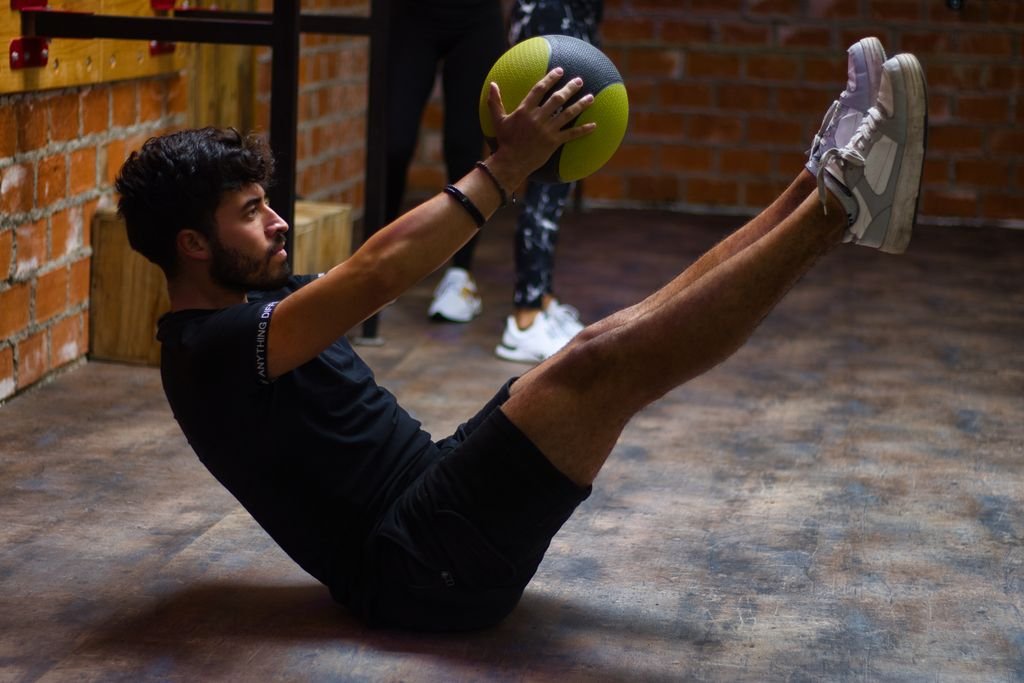
In recent years, scientists and regulators have begun paying closer attention to chemicals used throughout textile production.
Studies examining textiles and clothing have identified the presence of substances including
– PFAS (per- and polyfluoroalkyl substances)
– Bisphenols
– Phthalates
– Certain dyes and finishing agents in some clothing and textile products.
These chemicals may be used to provide specific performance characteristics such as:
– Water resistance
– Stain resistance
– Flexibility
– Durability
– Colour fixation
Research published examining textiles available to consumers found that various clothing and footwear products contained substances classified as endocrine disruptors, skin sensitisers or environmentally concerning chemicals.
Importantly, the presence of a chemical does not automatically mean there is a health risk. Exposure depends on numerous factors including concentration, duration and route of exposure.
However, the findings raise important questions about transparency within the clothing industry.
What Are Endocrine Disruptors?
Endocrine-disrupting chemicals (EDCs) are substances capable of interfering with hormonal systems.
Examples commonly discussed include
– BPA
– Certain phthalates
– Some PFAS compounds
Researchers continue to investigate how exposure to these substances may affect human health.
Scientific literature has explored potential links with hormone regulation, reproductive health, metabolism and other biological systems, although the extent and significance of risks varies depending on exposure and individual circumstance.
PFAS in particular have attracted increasing attention because of their persistence in the environment and their widespread use across consumer products. PFAS exposure has been studied in relation to endocrine function and broader health outcomes.
Sweat, Friction and Activewear
One reason activewear has become a focus of discussion is the way it is worn.
Unlike many everyday garments, sportswear is often
– Tight fitting – Worn for extended periods – Exposed to sweat – Subjected to friction and movement –
Researchers studying dermal exposure recognise that factors such as skin hydration, temperature, blood flow and duration of contact may influence absorption through the skin.
At the same time, scientific understanding of textile-related exposure remains an evolving area of research. Experts continue to investigate the extent to which chemicals may migrate from fabrics and the significance of any resulting exposure.
The most honest answer today is –
We know enough to ask questions, but there is still much we are learning.
Microplastics and Sportswear
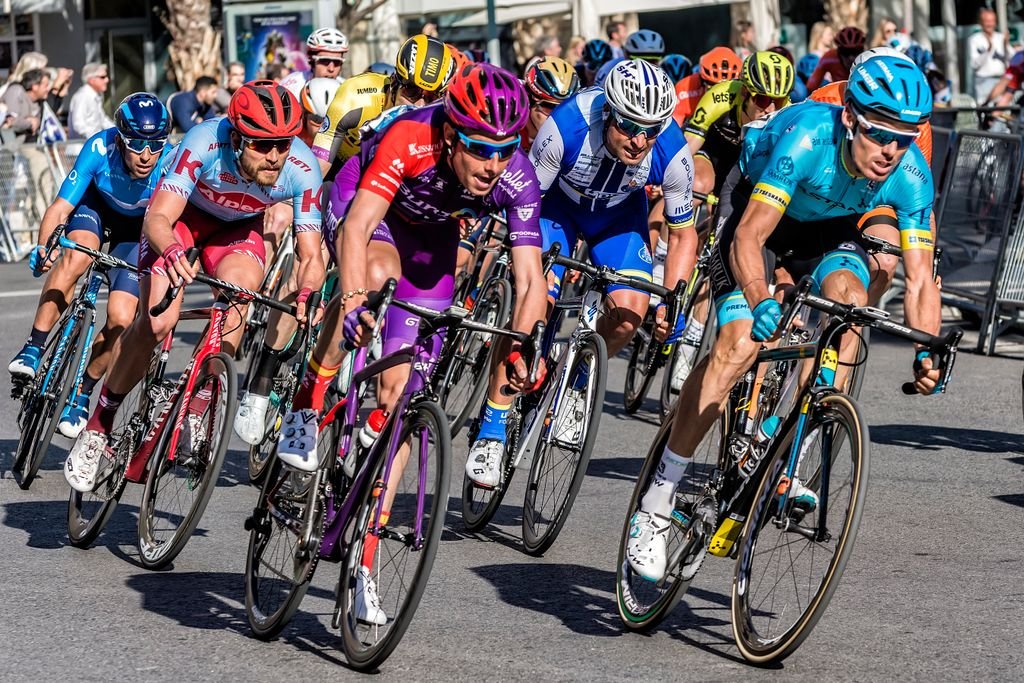
There is another aspect of synthetic sportswear receiving increased attention.
Microplastics.
Synthetic clothing sheds microfibres during wear and washing.
These microfibres represent a significant source of environmental microplastic pollution.
Research exploring microplastics and exercise suggests that humans may encounter microplastics through
– inhalation – ingestion – skin contact –
although the long-term health implications remain under investigation.
Again, this area is still developing.
What is clear is that clothing has become part of a broader conversation about environmental and human exposure to synthetic materials.
Does This Mean We Should Throw Away All Our Sportswear?
No.
At Live Beyond The Label, we are not interested in fear-based messaging.
Most people already own synthetic sportswear and many people rely on it every day.
For some activities, synthetic materials continue to offer practical performance advantages.
The goal is not perfection – The goal is awareness
Just as we encourage people to understand food labels, ingredient lists and product claims, we believe it is reasonable to understand clothing materials too.
Better choices do not require overnight perfection.
Emerging Alternatives
The good news is that growing consumer awareness is encouraging innovation.
Several alternative materials are increasingly being explored in performance clothing.
TENCEL™ Lyocell
Lyocell is produced from wood pulp in a closed-loop manufacturing process that recovers and reuses most of the solvents involved. It is known for
– Softness – Breathability – Moisture management – Comfort against sensitive skin –
TENCEL™ Lyocell has become an increasingly popular option within sustainable and lower-impact activewear ranges.
Merino Wool
Merino wool has been used by outdoor enthusiasts for decades.
Benefits include
– Natural temperature regulation – Moisture management – Odour resistance – Breathability –
Unlike many synthetic fabrics, merino fibres are naturally derived and biodegradable.
Organic Cotton
Organic cotton can provide a more natural fibre option, particularly for lower-impact activities and everyday movement.
However, it may not offer the same moisture-wicking performance as technical synthetic fabrics.
Plant-Based and Bio-Based Innovations
The textile industry is increasingly exploring
– Bio-based fibres – Alternative cellulose fibres – Lower-impact production methods – PFAS-free treatments
These innovations are helping create alternatives that aim to balance performance, comfort and sustainability.
My Personal Journey

This topic became personal long before it became content.
As someone who runs long distance, cycles, gym workouts and walks our two active dogs daily, I spend a significant amount of time in sportswear.
Like many people, I assumed activewear was simply another piece of clothing.
I never questioned what the fabrics were made from, how they were produced or what chemicals might be involved.
That changed when I began researching clothing materials in the same way I had previously researched food ingredients and ultra-processed products.
The deeper I looked, the more I realised that what we wear deserves the same level of curiosity and transparency as what we eat.
Discovering Tripulse
During my search for alternatives, I came across Tripulse.
What initially caught my attention was the brand’s focus on moving away from conventional synthetic activewear materials and exploring alternatives such as TENCEL™ Lyocell and other lower-impact fabric options.
Their approach focuses on
– Transparency – Reduced reliance on conventional petroleum-based fabrics – Consideration of material sourcing –
– Performance without automatically defaulting to traditional synthetic fibres –
While no brand is perfect, Tripulse stood out because it was one of the few sportswear companies actively addressing questions many consumers are only beginning to ask.
Questions such as
– What are our clothes actually made from?
– Do performance fabrics always need to be plastic-based?
– Can we reduce exposure to some of the chemicals commonly associated with conventional activewear?
These are conversations we believe deserve greater visibility.
Take a look – Tri Pulse
Affiliate Disclosure: If you choose to purchase through our Tripulse referral links, Live Beyond The Label may receive a small commission at no additional cost to you. We only recommend products and brands that align with our values of transparency, integrity and informed consumer choice.
The Live Beyond The Label Perspective
We are not suggesting that everyone should immediately replace their wardrobes.
We are not suggesting that all synthetic clothing is harmful.
We are not suggesting that natural fibres are automatically superior in every situation.
What we are suggesting is this
– Consumers deserve information – Consumers deserve transparency –
– Consumers deserve the opportunity to understand what sits behind marketing claims and product labels –
If your goal is to reduce exposure to highly processed materials, synthetic fibres or textile chemicals, every small step matters.
Perhaps that means:
– Choosing one lower-impact sports top
– Replacing leggings when they wear out
– Looking for PFAS-free alternatives
– Exploring natural fibre blends
– Asking more questions before buying
Awareness doesn’t require perfection – Progress doesn’t require extremes
From Oil Barrel to Leggings: How Modern Activewear Is Made
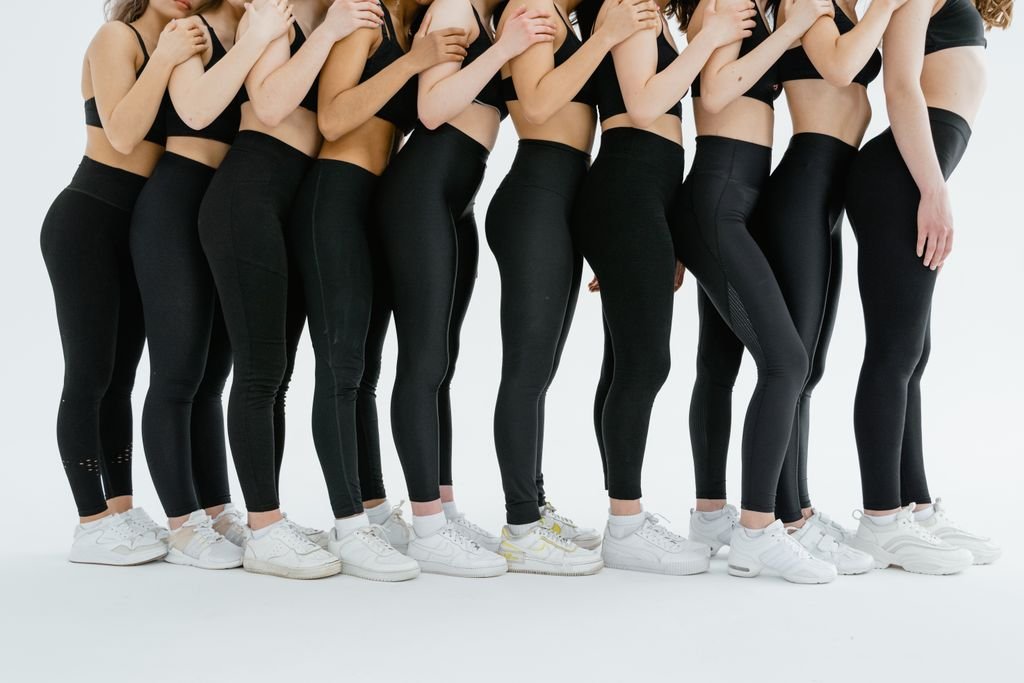
Most modern sportswear isn’t made from fabric in the traditional sense.
Before it becomes a pair of leggings, a sports bra or a running top, many activewear materials begin their journey as petrochemicals derived from crude oil.
Polyester (PET)
Polyester (PET) – Oil → Refining → Chemicals → Polymer pellets → Fibres → Fibres → Clothing
Polyester is one of the most widely used fibres in modern activewear.
The process begins with crude oil extraction and refining. During refining, raw petroleum is broken down into various chemical building blocks that can be used in plastics and synthetic fibres.
These chemicals are transformed into polyethylene terephthalate (PET), the same family of material commonly used in plastic bottles. The PET is then melted, extruded through tiny holes to create fine fibres, cooled, stretched and spun into yarn before being woven or knitted into fabric.
The finished fabric is often dyed, treated and engineered to provide characteristics such as
– Moisture wicking
– Durability
– Wrinkle resistance
– Colour retention
– Quick drying performance
The result is a lightweight, durable fabric that performs well during exercise, which explains why polyester dominates the activewear market.
Nylon
Nylon – Petrochemicals → Polymerisation → Fibre spinning → Fabric
Nylon follows a similar journey.
Manufactured from petroleum-derived chemicals, nylon fibres are created through a process called polymerisation, where small chemical molecules are joined together to form long chains.
These fibres are then spun into thread and transformed into fabric.
Nylon is particularly valued for:
– Strength
– Durability
– Abrasion resistance
– Smooth texture
This makes it especially popular in running leggings, sports bras and outdoor clothing.
Elastane (Spandex/Lycra)
Elastane – Polyurethane production → Stretch fibres → Blended into sportswear
Elastane is the fibre responsible for the stretch found in most modern activewear.
Typically added in smaller percentages alongside polyester or nylon, elastane allows fabrics to stretch and recover repeatedly without losing shape.
Without elastane, many leggings, sports bras and compression garments simply would not perform as consumers expect.
The Finishing Stage
Once the fabric has been produced, additional treatments may be applied depending on the intended use of the garment.
These treatments can include
– Water-resistant finishes
– Stain-resistant coatings
– Anti-odour technologies
– Colour fastness treatments
– Fabric softening processes
It is often during these finishing stages that questions arise around the use of certain chemicals and textile treatments, particularly as researchers continue to explore their environmental and human health implications.
Looking Beyond the Label

The clothing industry is changing.
Consumers are increasingly asking questions not only about performance and appearance but also about materials,
manufacturing and long-term health considerations.
Sportswear is no exception.
The next time you pull on a pair of leggings, a training top or a sports bra, consider asking
– What is this made from?
– Why was it made this way?
– What alternatives exist?
– Does this align with my values?
Because understanding what sits behind the label is the first step towards making more informed choices.
Decode • Decide • Live
Because you deserve to know.