Nylon & Elastane – The Hidden Engine Behind Modern Active Wear
If polyester is the backbone of modern sportswear, nylon and elastane are the fibres that shape how it feels.
Nylon gives clothing its strength, smoothness and durability. Elastane gives it stretch, cling and recovery.
Together, they create the “second skin” fit that defines leggings, sports bras, compression garments, base layers and performance wear. They make clothing feel supportive, sculpting, flexible and sleek.
But while these fibres dominate active wear, very few people know what they actually are or how they behave on the skin during exercise, when heat, sweat and friction change the environment inside clothing.
This spoke explains synthetic stretch fibres from a consumer perspective
– what nylon and elastane are
– how they’re made
– how they behave on the body
– what researchers are exploring
– how they contribute to micro plastic exposure
– why alternatives matter
This is not fear based messaging.
It is fact based transparency, which is the foundation of Live Beyond The Label.
Nylon & Elastane are everywhere
but few people know
What it Actually Is – How it Touches Your Skin – Why it Deserves a Second Look.
We wear them daily, in tights, leggings, sports bras, compression garments, base layers, outdoor clothing, swimwear and everyday essentials.
They feel smooth, stretchy, supportive, comfortable and durable. For many people these fibres sit directly against the skin for hours every single day.
Yet almost no one asks
– What exactly are nylon and elastane?
– How does they behave on the skin during real life movement?
– What happens when heat, sweat and friction build up inside synthetic stretch clothing?
– What does current research say about the chemicals used to create and finish the fibres?
“Most consumers recognise the names on the label but not the reality behind them.
What Synthetic Stretch Fibres Actually Are
The Consumer Version
Nylon and Elastane are not a Natural Fibres, Plant based or Biodegradable
Nylon is a synthetic polyamide, a type of plastic created through chemical reactions involving petroleum derived ingredients.
Elastane is a synthetic polyurethane, a stretchy elastic plastic fibre designed to mimic rubber.
Both fibres begin their life in petrochemical facilities.
Both are created through chemical reactions.
Both require solvents, stabilisers and finishing agents.
Both are engineered for performance, not biological compatibility.
Understanding nylon and elastane as plastic fibres helps explain
– Why this matters for consumers
– Why they sheds microplastics
– Why they requires chemical finishing
– Why they behave differently on the skin compared to natural fibres
– Why they persist in the environment
– Why regulators are increasingly examining textile chemistry
– Why alternatives matter
How are these fibres made?
with less of the technical jargon
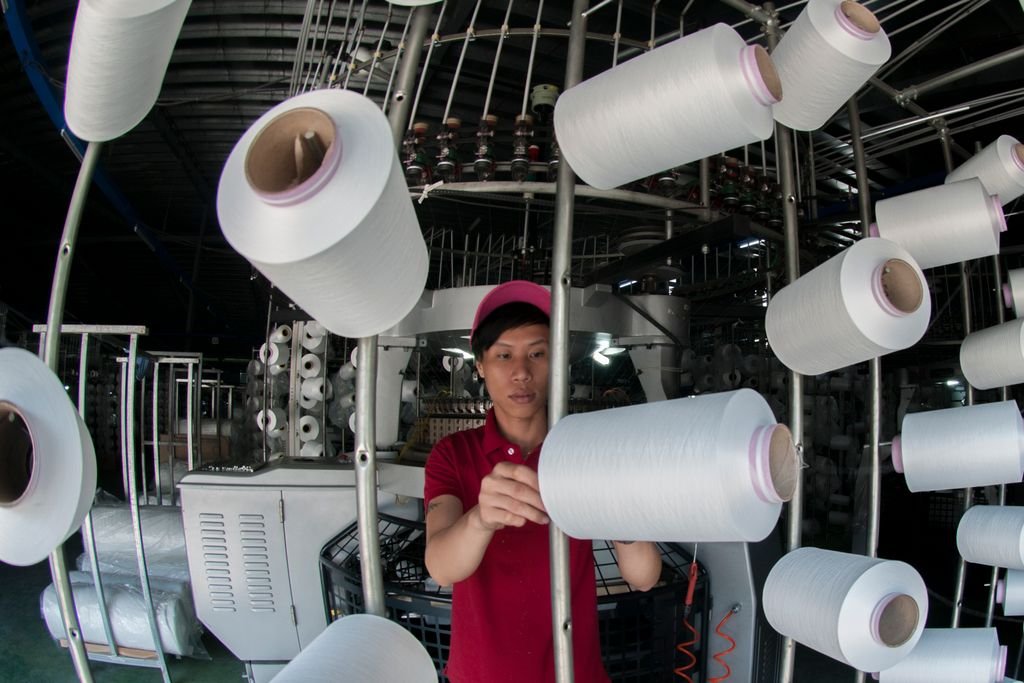
Nylon and Elastane both begin as crude oil ‘petroleum’.
Petroleum is refined into chemical building blocks
(nylon is typically made from Adipic Acid and Hexamethylene Diamine
and elastane made from Polyols + Diisocyanates)
Those chemicals are reacted under heat and pressure in controlled conditions (Polymerisation)
This creates long chains of polymer.
Polyamide, the basis of nylon which is
engineered to be strong, flexible and smooth.
Polymers are melted and pushed through tiny holes, cooled and stretched.
This forms thin, continuous plastic filaments.
(Nylon and Elastane Pellets – the raw material used to create fibres)
The filaments are stretched, spun and knitted into fabric.
The filaments are treated to achieve performance features
This may involve softeners, colour carriers, stabilisers, coatings, stretch enhancers and finishing agents.
Elastane is almost always blended as pure elastane is too weak to use alone.
It is mixed with nylon or polyester to give fabrics stretch.
This blending is important because it is what leads to shedding.
How is Nylon Made?
“Nylon follows a similar journey… manufactured from petroleum-derived chemicals.
“Nylon – Petrochemicals → Polymerisation →
Fibre spinning → Fabric.”
Nylon = Polymide = Plastic
Nylon is one of the most common fibres in modern active wear providing the structure for garments.
How is Elastane Made?
“Elastane manufactured from petroleum derived chemicals to create stretch rubber like Polymer”
“Elastane – Polyurethane production →
Stretch fibres → Blended into sportswear.”
Elastane = Polyurethane = Rubber like Polymer
Elastane provide the movement, allows leggings to clings, sports bras to support and compression garments to ‘snap back’ into shape.
Every step involves chemical processing
This is not inherently “bad,” but it is important to understand, especially when nylon sits directly against the skin.
Why Nylon & Elastane Are Used in Active wear
Nylon provides the structure to garments and popular because it offers
– strength – durability – abrasion resistance – smooth texture –
– stretch (when blended with elastane) – moisture management – shape retention –
“Nylon is particularly valued for strength, durability, abrasion resistance, smooth texture.”
Elastane is the fibre that makes it move and prized for it’s ability
to stretch several times its length and return instantly to its original shape.
Consumers recognise elastane by how it feels
– clothing that moulds to the body – fabric that stretches without losing shape –
– garments that stay supportive during movement – a smooth, flexible fit that almost feels like a second skin
“Elastane doesn’t provide structure, it provides elasticity, recovery, and freedom of movement.
It is the fibre that makes modern active wear feel modern“
But performance is only one part of the story.
How Synthetic Stretch Fibres Behave on the Body
The Part Most Consumers Never Hear About
Nylon and elastane create a very specific type of contact with the skin
– Close – Tight – Warm – Stretchy – Compressive –
This is different from natural fibres, which tend to breathe more easily and some tend to sit more loosely.
The “second skin” effect – When nylon and elastane pull fabric close to the body, they increase
-Pressure – Friction – Heat Retention – Moisture Accumulation –
This matters because the skin responds differently under these conditions.
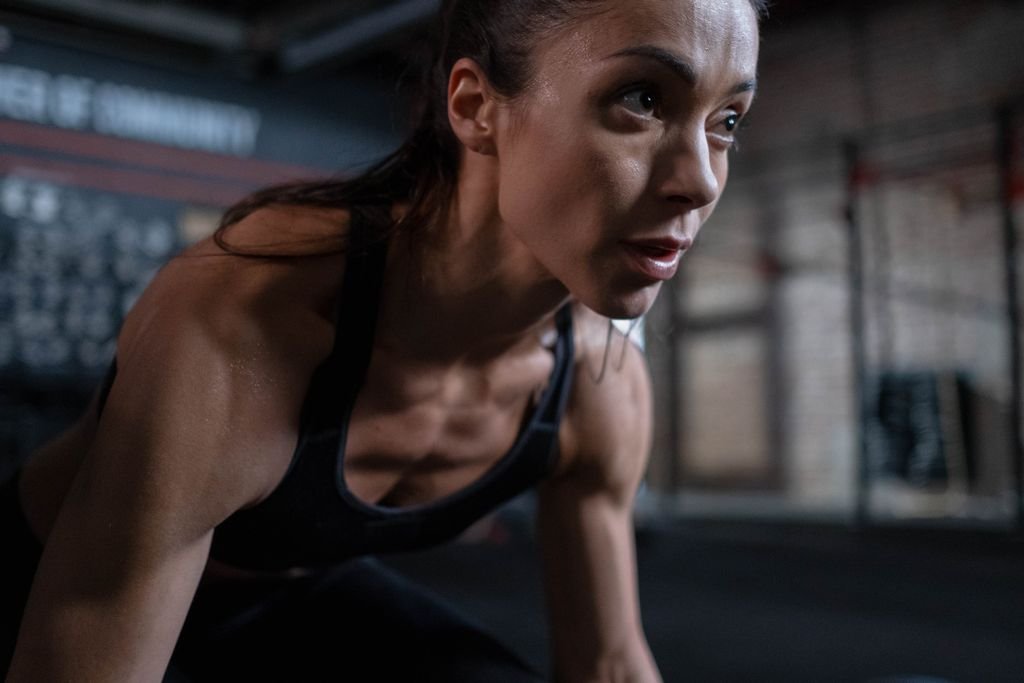
“When exercising, additional factors come into play – increased body temperature, increased blood flow to the skin, sweating, friction from movement, prolonged contact between fabric and skin.”
The skin is not a perfect barrier
“While skin provides an effective barrier, it is not completely impermeable.”
Sweat changes the environment inside clothing
Sweat isn’t just water, it contains salts, oils and compounds that can interact with materials.
Inside tight synthetic clothing, sweat can soften the skin, increase hydration, raise temperature, change pH and increase permeability.
“Increased body temperature, increased blood flow to the skin, sweating, friction from movement, prolonged contact between fabric and skin.”
Synthetic stretch fibres amplify these conditions because of how closely they sit against the body.
Compression changes skin behaviour
Compression garments increase blood flow, pressure, friction and heat.
This doesn’t mean nylon or elastane are harmful but it does mean the skin is working harder under synthetic stretch fibres than under looser natural fibres.
This is why transdermal patches work and why researchers study how textile chemicals behave under exercise conditions.
* Heat increases permeability
* Warm skin absorbs differently than cool skin.
* Sweat acts as a solvent
* It can help mobilise substances on the skin’s surface.
* Friction disrupts the barrier
* Movement can increase irritation and micro‑abrasions.
* Tight clothing increases pressure
* Compression garments increase contact intensity.
Duration matters
Many people wear synthetic stretch fibres for hours, sometimes all day.
Researchers studying dermal exposure recognise that
“Skin hydration, temperature, blood flow and duration of contact may influence absorption.”
This does not mean nylon & elastane are “dangerous.”
It means context matters and consumers deserve to understand that context.
Textile Chemicals Associated with Synthetic Stretch Fibres
And What They Mean for Health
“Endocrine disrupting chemicals (EDCs) are substances capable of interfering with hormonal systems.”
Hormones regulate
– metabolism
– reproduction
– thyroid function
– stress response
– growth
– sleep
– mood
EDCs don’t “poison” the body, they interfere with signalling.
This is why researchers study them carefully.
Some research has examined EDCs in relation to:
PFAS
phthalates
bisphenols
“Studies examining textiles and clothing have identified the presence of PFAS, bisphenols, phthalates, certain dyes and finishing agents in some clothing and textile products.”
These substances may appear in nylon/elastane blends, coatings or finishing treatments.
PFAS “Forever Chemicals”
(Per‑ and Polyfluoroalkyl Substances)
PFAS are used to create water resistance, stain resistance and oil repellence.
They are extremely persistent in the environment and have been studied for potential links to
– endocrine disruption – immune system effects – metabolic changes –
“PFAS exposure has been studied in relation to endocrine function and broader health outcomes.”
What endocrine disruption means
Endocrine disrupting chemicals (EDCs) can interfere with the body’s hormonal signalling.
Hormones regulate
– growth – metabolism – reproduction – stress response –
– thyroid function – sleep – mood –
Disruption does not mean immediate harm but it means interference with systems that rely on precise chemical messaging.
Phthalates – Plasticisers With Hormone‑Related Research
Phthalates may appear in prints, coatings, elastance blends and certain synthetic dyes.
Some phthalates have been classified as endocrine disruptors.
Potential health implications
Research has explored links between phthalate exposure and
– reproductive hormone changes
-developmental effects
-metabolic changes
– thyroid disruption
Again, exposure depends on concentration, duration and route but consumers deserve transparency.
Bisphenols (Including BPA)
Bisphenols may appear in polyurethane or polyamide manufacturing residues, printing inks and certain coatings.
BPA is one of the most widely studied endocrine‑disrupting chemicals.
Potential health implications
Research has explored associations with
– hormone signalling changes – metabolic effects – reproductive system impacts –
“Scientific literature has explored potential links with hormone regulation, reproductive health, metabolism and other biological systems.”
Dyes & Finishing Agents
Synthetic fibres are often dyed using disperse dyes, acid dyes, azo dyes.
Some dyes have been classified as skin sensitisers
Potential health implications
Sensitive individuals may experience
– irritation – dermatitis – allergic reactions –
Especially under heat, sweat and friction.
Microplastics
The Hidden Issue – Environmental and Human Exposure Pathways

“Synthetic clothing sheds microfibres during wear and washing.”
Nylon and Elastane blends are major contributors to micro plastic pollution.
Where do these microfibres go?
They enter oceans, rivers, soil, household dust and indoor air.
How do humans encounter them?
“Humans may encounter microplastics through inhalation, ingestion, skin contact.”
What inhalation means for health
Airborne microplastics can be breathed into the lungs.
Research is exploring potential links to
respiratory irritation, inflammation, ingestion and immune response changes.
What does ingestion mean for our health?
Microplastics have been found in
– drinking water – food – household dust –
Research is examining gut inflammation, microbiome disruption and chemical transport into the body.
What skin contact means
Microfibres can sit on the skin surface during exercise. Their long‑term implications are still being studied.
“This area is still developing.”
Why Alternatives Matter
And Why They are Worth Considering
“Consumers deserve information. Consumers deserve transparency.”
Nylon & Elastane are not inherently harmful but they are
– synthetic – petroleum derived – chemically treated –
– non biodegradable – shedding microplastics – persistent in ecosystems –
And recycled versions do not change these realities.
Better alternatives exist
Such as
TENCEL™ Lyocell – soft, breathable, biodegradable
Merino wool – naturally temperature‑regulating
Organic cotton – gentle for everyday movement
Certified cellulose fibres – lower‑impact options
Verified bio based innovations – emerging solutions
These fibres do not shed plastic. They do not persist in ecosystems. They do not rely on petroleum.
They behave differently on the skin.
Explore more in alternative fabrics – Coming Soon
Making More Informed Choices
Without Extremes

“Awareness doesn’t require perfection – progress doesn’t require extremes.”
This is not about throwing away your wardrobe.
It is about replacing items as they wear out with lower‑impact alternatives.
Practical steps
Choose one natural‑fibre sports top
Replace nylon leggings when they naturally wear out
Look for PFAS‑free alternatives
Explore natural fibre blends
Ask brands about finishing treatments
Reduce reliance on chemically treated synthetic
Synthetic Stretch Fibres are not bad but they are not neutral
“We know enough to ask questions, but there is still much we are learning.”
Nylon and Elastane are not inherently harmful, but they are inherently synthetic, plastic based, chemically treated,
shedding, persistent and environmentally impactful.
Consumers deserve to understand what sits behind the label
so they can make choices that align with their values, their skin, and their long term wellbeing.
Decode • Decide • Live
Because you deserve to know.