Seasonal Eating = Simplest Health Strategy
In a world dominated by convenience foods, year round supermarket abundance and increasingly complex nutrition advice, one of the simplest health strategies remains one of the most overlooked – ‘eating seasonal produce’
Seasonal eating is not a trend. It is how human beings have eaten throughout almost the entirety of history.
Long before industrial farming, global supply chains and ultra-processed foods, people ate according to nature’s rhythms.
Food availability changed throughout the year, creating a natural cycle of nourishment that aligned with climate, geography and human biology.
Today, most supermarkets allow us to buy almost anything at any time.
– Strawberries in January – Asparagus in December – Tomatoes from the other side of the world –
While this modern convenience can be useful, it has also disconnected many people from understanding where food comes from, when it naturally grows and how seasonal foods can support both human health and environmental well being.
For those seeking a more conscious relationship with food, seasonal produce offers a practical path forward.
It encourages a diet richer in whole foods, supports British growers,
reduces reliance on ultra-processed products and reconnects us with real ingredients.
Perhaps most importantly, it helps us move closer to the way food was always intended to be consumed.
What Is Seasonal Eating?
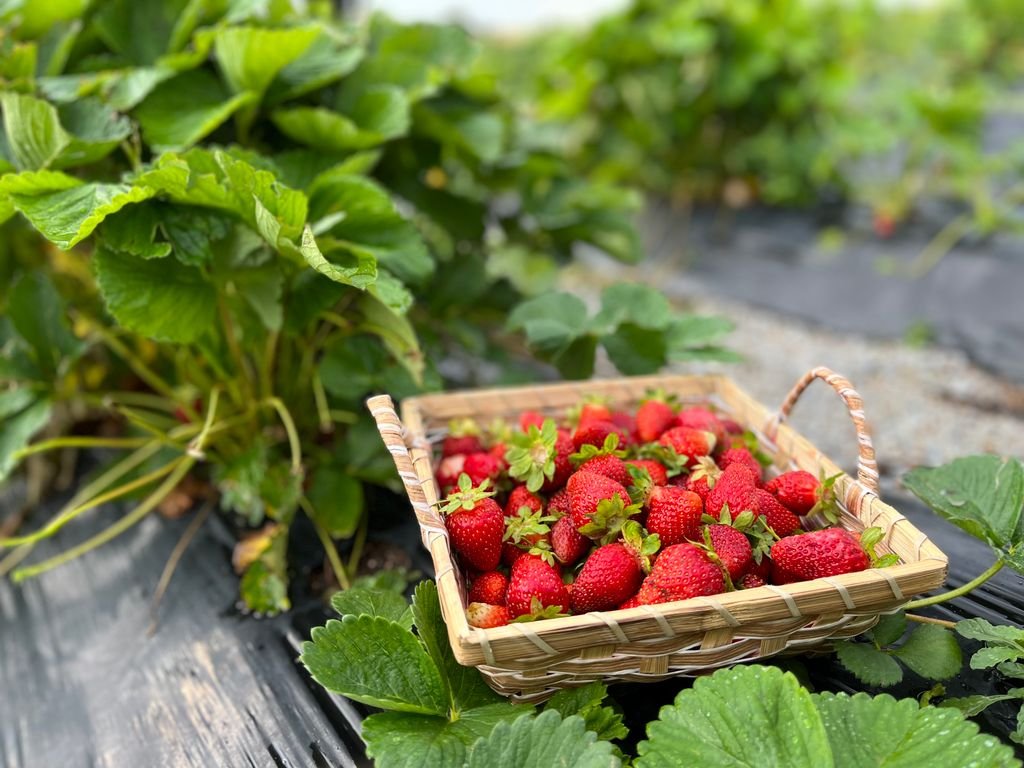
Seasonal eating means choosing foods during the period of the year when they naturally grow and are harvested.
For people living in Britain, this means enjoying
Spring
– Asparagus – Watercress – Spinach – Spring Greens – Radishes – Rhubarb –
Summer
– Strawberries – Raspberries – Cherries – Peas – Lettuce – Tomatoes – Courgettes – Cucumbers – Peppers
Autumn
– Apples – Pears – Blackberries – Pumpkins – Squash – Mushrooms –
Winter
– Brussels sprouts – Cabbage – Kale – Leeks – Parsnips – Swede – Celeriac –
Rather than relying solely on imported produce,
seasonal eating prioritises foods that are naturally available during a particular period of the year.
This does not mean never buying imported produce.
Instead, it means placing seasonal foods at the centre of your diet whenever possible.
The Science of Seasonality
Modern nutrition science often focuses on nutrients in isolation
– Protein – Vitamins – Minerals – Fibre – Antioxidants –
While these are important, researchers increasingly recognise that food is more than a collection of nutrients.
Plants are living organisms that respond to environmental conditions such as
– Sunlight – Rainfall – Temperature – Soil quality – Growing duration –
These factors influence the concentration of beneficial compounds within fruits and vegetables.
When produce is harvested in season and allowed to mature naturally,
it typically develops a richer nutritional profile than food harvested
prematurely to withstand long-distance transportation.
Research has shown that harvesting methods, storage time and transportation can
influence levels of vitamin C, antioxidants and other plant compounds.
The longer many foods spend in storage and transport networks, the greater the potential decline in nutritional quality.
This does not mean imported produce is unhealthy.
It simply highlights that freshness matters.
Seasonal foods often reach consumers more quickly after harvest and therefore spend less time in storage before being eaten.
Why Seasonal Produce Often Tastes Better
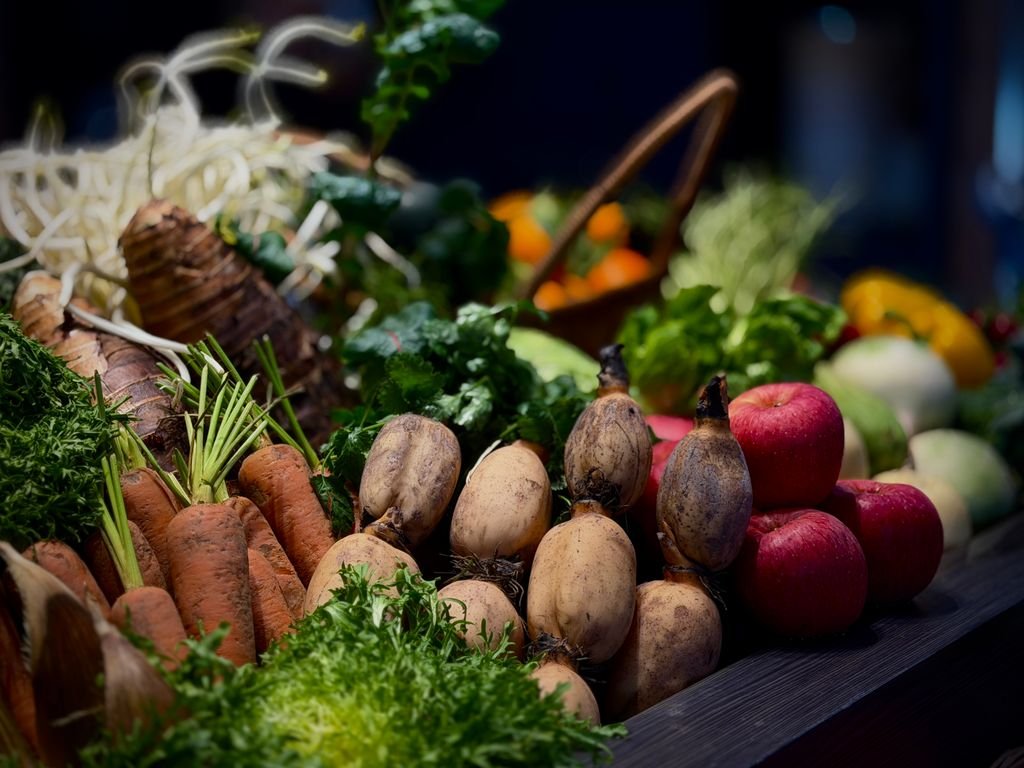
One of the most noticeable benefits of seasonal eating is flavour.
Many consumers immediately recognise the difference between
– summer strawberries and imported winter strawberries –
– freshly harvested asparagus and stored asparagus –
– seasonal tomatoes and commercially ripened tomatoes –
There is a scientific reason for this.
Plants produce natural sugars, aromatic compounds and flavour molecules as they mature.
When produce is harvested too early, this development may be incomplete.
Many commercially transported fruits are picked before reaching peak ripeness
because they must survive long journeys and extended shelf life requirements.
Seasonal produce harvested nearer to maturity has more time to develop
– Natural Sweetness – Aroma – Texture – Complexity of Flavour –
This often reduces the need for added sugars, sauces and flavour enhancers because the food itself tastes better.
Real food becomes enjoyable in its own right.
Seasonal Eating Supports Nutrient Density
Nutrient density refers to the concentration of beneficial nutrients relative to calories.
Seasonal foods often support greater nutrient density because
– they are usually fresher
– storage periods can be shorter
– natural growing conditions are maintained
– harvesting occurs closer to peak maturity
Certain nutrients are particularly sensitive to time and storage.
These include Vitamin C, Folate, certain Antioxidants and Phytochemicals
Although nutrient losses vary widely between foods,
freshness remains an important factor in preserving nutritional value.
The shorter the journey from field to plate, the more likely produce is to retain its original nutritional characteristics.
The Hidden Link Between Seasonal Eating and Ultra-Processed Foods
One of the most powerful yet least discussed benefits of seasonal eating
is its relationship with ultra-processed food reduction.
Ultra-processed foods, often called UPFs, are industrial formulations made largely from extracted ingredients, additives and substances rarely found in domestic kitchens.
Examples include
– flavoured snacks
– sugary breakfast cereals
– confectionery
– soft drinks
– many ready meals
– highly processed desserts
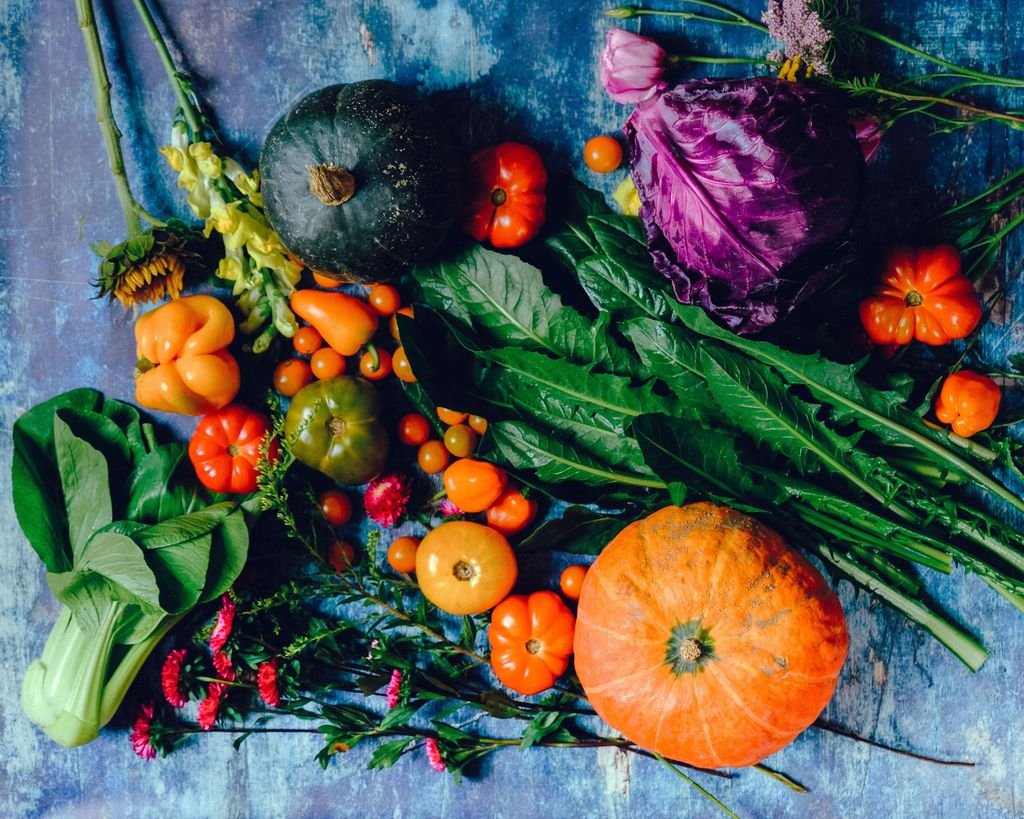
Seasonal eating naturally shifts food choices towards
– whole fruits
– vegetables
– herbs
– grains
– legumes
– basic ingredients
In other words, the very foods least likely to be ultra-processed.
“Many people focus on eliminating UPFs through restriction –
Seasonal eating approaches the issue differently“
Rather than concentrating on what to remove, it encourages adding more real foods.
As seasonal produce increases, ultra-processed options often decrease naturally.
This approach is more sustainable because it feels positive rather than restrictive.
Human Evolution and Seasonal Nutrition
Throughout human evolution, diets naturally changed according to seasonal availability.
* Spring brought fresh greens *
* Summer brought fruits and berries *
* Autumn provided nuts, roots and stored crops *
* Winter encouraged reliance on hardy vegetables and preserved foods *
This created natural dietary diversity across the year.
Modern diets often remain unchanged regardless of season.
Many households consume virtually identical meals in January and July.
While convenient, this can reduce exposure to the wide variety of plant compounds available throughout the year.
Different fruits and vegetables contain different combinations of
– Polyphenols – Flavonoids – Carotenoids – Antioxidants – Fibres –
Seasonal eating encourages dietary diversity because nature continuously changes what is available.
Greater diversity in plant consumption is associated with broader nutrient intake and a more varied diet overall.
Seasonal Produce and Gut Health
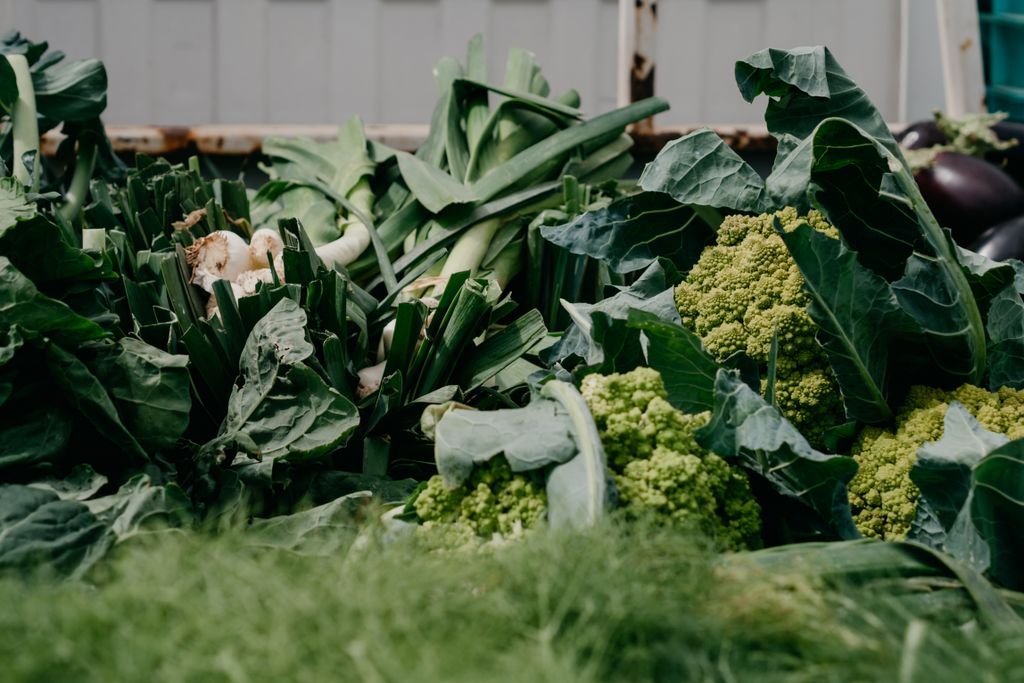
The human gut microbiome thrives on diversity.
The trillions of microorganisms living in the digestive system depend largely on dietary fibre
and plant compounds for nourishment.
Different plants contain different fibre structures.
Different fibres feed different bacterial species.
When people eat a narrow range of foods year-round, the diversity of dietary fibres may also become limited.
Seasonal eating naturally increases dietary variety by rotating foods throughout the year.
This means
– different fibres
– different antioxidants
– different polyphenols
– different resistant starches
The result is a broader nutritional environment that may support a diverse and resilient gut ecosystem.
Instead of eating the same vegetables every week, seasonality introduces variety without requiring complicated meal plans.
Why Seasonal Eating Supports British Farming
Food choices have a direct influence on agricultural systems.
Choosing British seasonal produce helps support
– local farmers – regional growers – family-run farms –
– rural communities – domestic food production –
British farmers operate within unique seasonal conditions that shape the crops they can grow effectively.
When consumers embrace seasonality, demand becomes more aligned with natural growing cycles.
This helps create stronger local food networks and increases appreciation for the work involved in producing real food.
Seasonality also encourages greater transparency because consumers become more interested in understanding
where food comes from, who grew it, how it was produced and when it was harvested.
This deeper connection between producer and consumer reflects the values of conscious living.
The Environmental Benefits of Seasonal Food
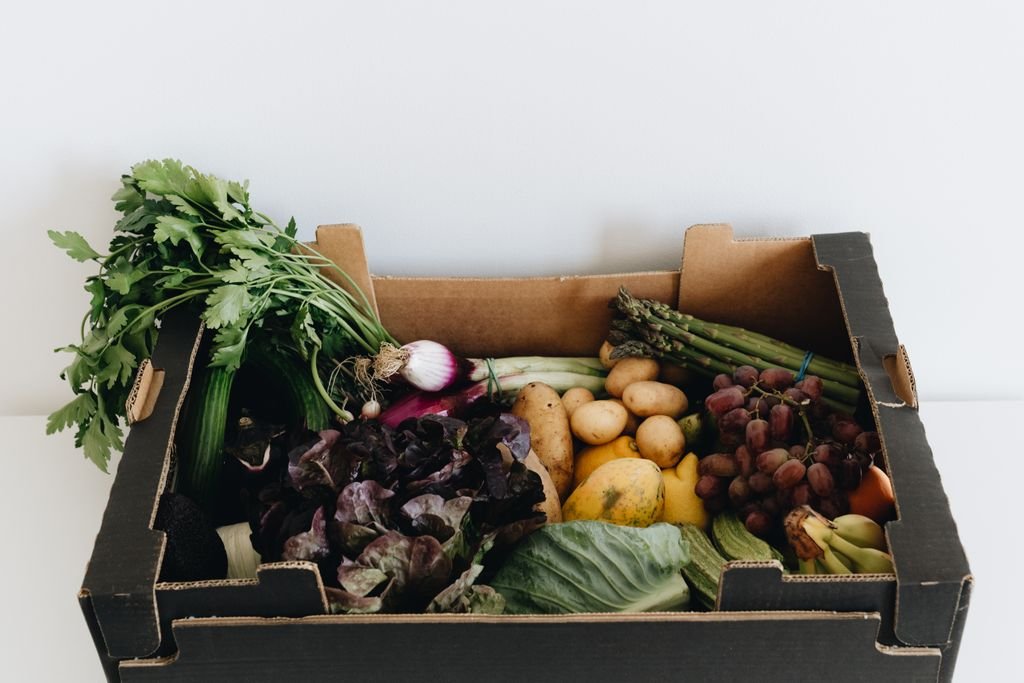
Food production inevitably impacts the environment.
However, seasonal produce often requires fewer intensive interventions.
Out-of-season foods may require heated greenhouses, prolonged refrigeration, controlled
storage facilities and long distance transportation.
Each additional stage requires energy and resources.
Seasonal produce generally aligns more closely with natural growing conditions.
This often results in lower storage requirements, reduced transportation distances,
fewer artificial growing inputs and simpler supply chains.
While environmental impact varies significantly depending on the food and production system,
choosing seasonal produce is generally recognised as a practical way to support more sustainable consumption patterns.
Seasonal Eating Can Save Money
One of the biggest myths surrounding healthy eating is that it is always expensive.
In reality, produce is often most affordable when it is naturally abundant.
When crops are harvested in large quantities during their peak season
– supply increases – transportation demands may decrease – storage needs may decrease –
The result is often lower consumer prices.
Examples include
Summer – strawberries, courgettes, tomatoes
Autumn – apples, pears, squash
Winter – cabbage, leeks, sprouts
Spring – rhubarb, spring greens, asparagus
Building meals around seasonal availability can help households improve food quality while keeping costs manageable.
Relearning the Rhythm of Food
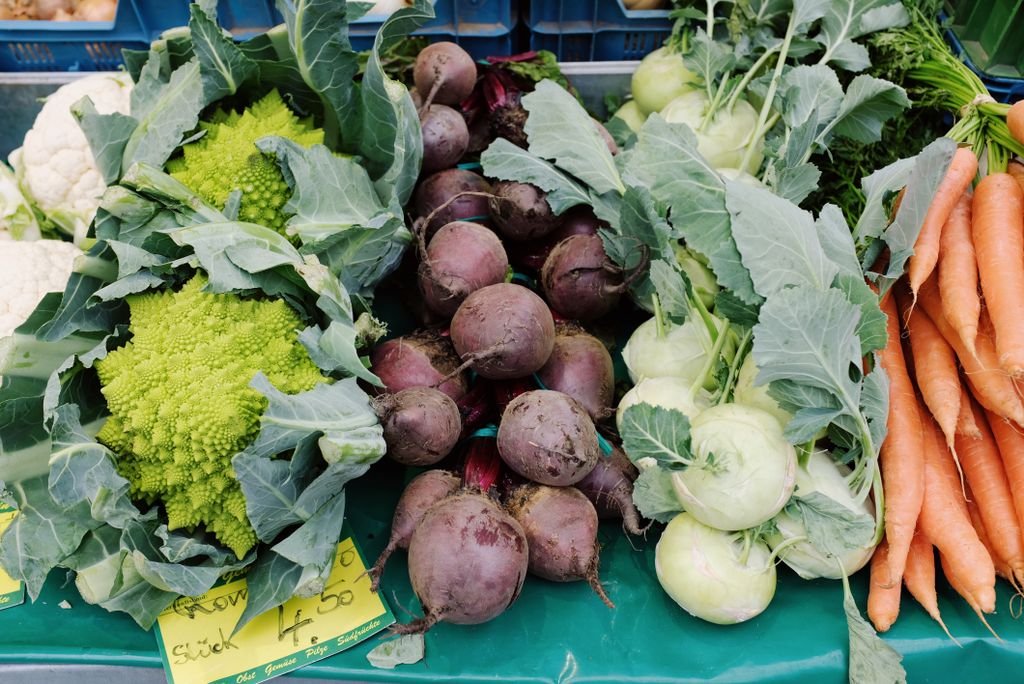
Modern supermarkets can create the illusion that all foods are equal at all times.
But nature has rhythms.
Seasonality reminds us that food is not manufactured. It is Grown.
Learning these rhythms creates a deeper appreciation for
– Farming – Climate – Landscapes – Bio diversity – Food production –
Many people report that seasonal eating makes meals feel more exciting
because the menu naturally changes throughout the year.
Foods become something to look forward to rather than something permanently available.
The arrival of British asparagus signals spring.
Fresh strawberries announce summer.
Blackberries mark early autumn.
Brussels sprouts become part of winter traditions.
Seasonality restores anticipation and connection.
Practical Ways to Start Eating Seasonally
You do not need to overhaul your diet overnight.
Small changes can create meaningful results.
Check Seasonal Produce Guides
Use monthly produce guides to identify which fruits and vegetables are naturally available.
Buy Local When Possible
Farm shops, greengrocers and farmers’ markets often highlight seasonal produce.
Build Meals Around Seasonal Produce First
Rather than deciding on a recipe and buying ingredients, start with seasonal produce and create meals around what is available.
Freeze Seasonal Surplus
Many fruits and vegetables freeze exceptionally well, allowing you to retain seasonal produce for later use.
Try One New Seasonal Food Per Month
This simple challenge can dramatically increase food variety throughout the year.
Seasonal Eating Is Not About Perfection
The goal is not rigid adherence.
Modern food systems provide benefits, including improved food security and access to a wide range of produce.
Seasonal eating is not about rejecting these advances.
It is about becoming more intentional.
Every seasonal choice moves us closer to
– real food – greater transparency – reduced processing –
– connection with growers – environmental awareness – nutritional variety –
Even small shifts towards seasonal produce can make a meaningful difference over time.
The Bigger Picture – Food Beyond the Label
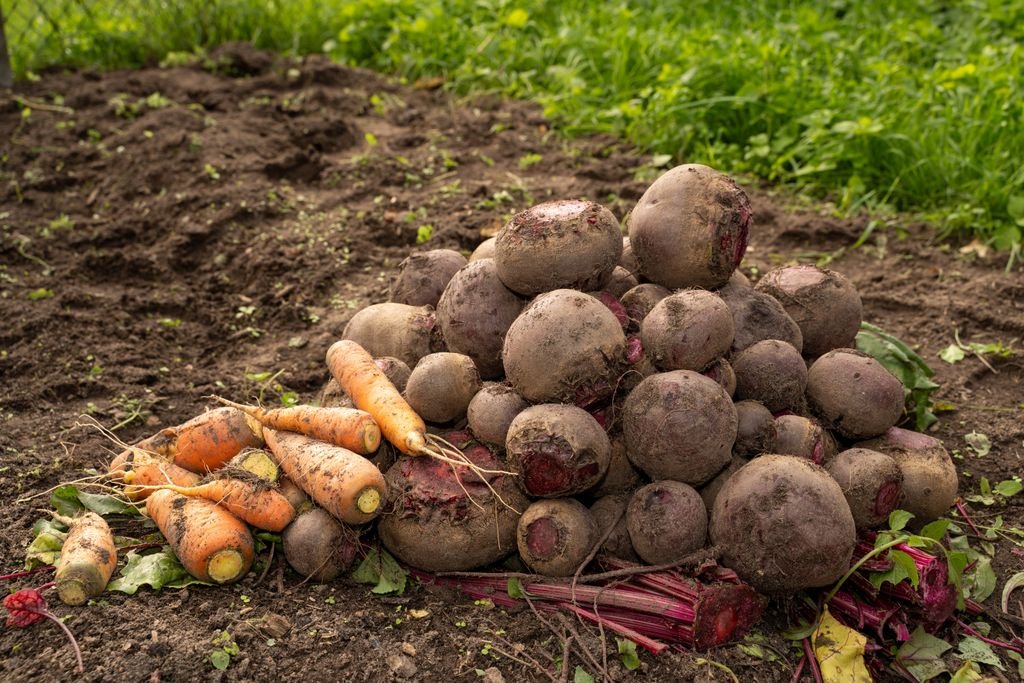
At Live Beyond The Label, seasonality is about more than fruit and vegetables.
It represents a different way of thinking about food.
A way that values
– nature over marketing – ingredients over formulations –
– transparency over confusion – nourishment over convenience –
Seasonal produce offers one of the clearest examples of what food looks like
before industrial processing transforms it into something else.
It reminds us that eating well does not need to be complicated.
Often the healthiest choices are also the simplest.
The foods growing around us right now are frequently the foods best placed to support a nourishing, varied and balanced diet.
The challenge is not finding the perfect diet – The challenge is reconnecting with real food
And one of the easiest places to begin is with a simple question
What’s in season right now?
Because when you choose seasonal produce, you are not just buying food.
You are supporting British growers, reducing reliance on ultra-processed products,
embracing natural variety and taking a meaningful step towards living beyond the label.