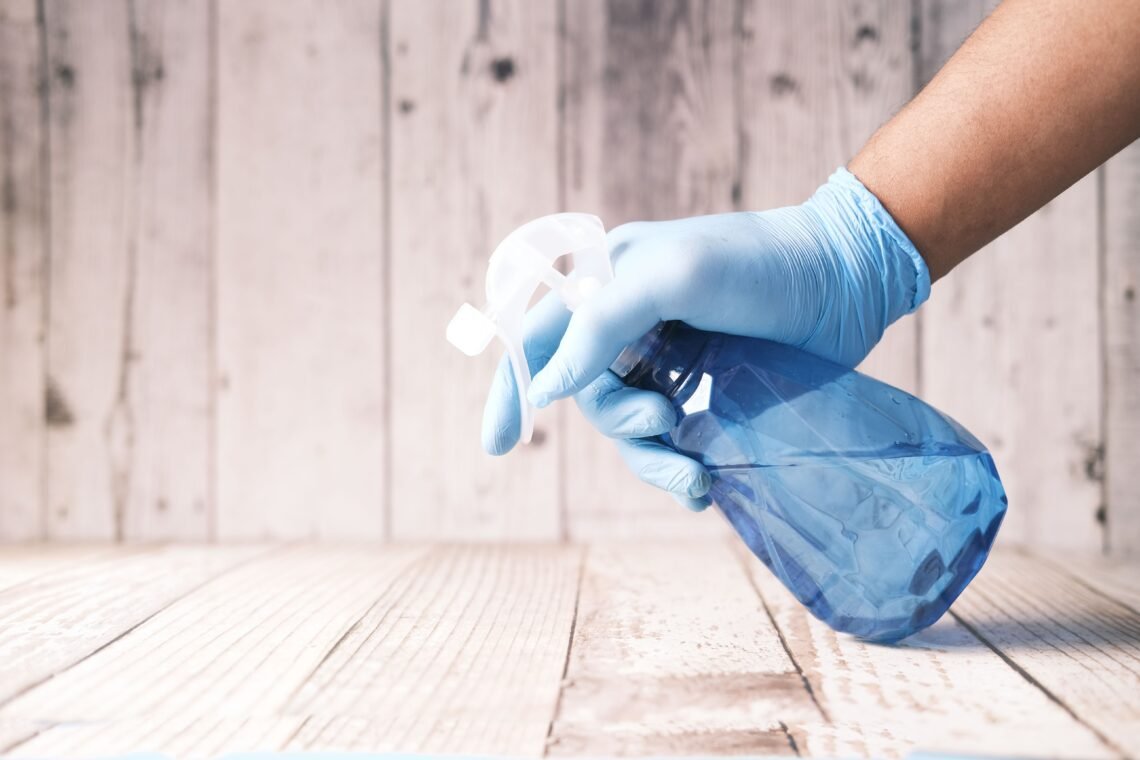
Are Your Cleaning Products Polluting Your Home?
Most of us spray, wipe and scrub thinking we’re making our homes safer. But UK research shows many everyday cleaning products release harmful chemicals that linger in the air long after we’ve finished cleaning.
The Hidden Chemicals Lurking Behind the Label
Most of us reach for cleaning sprays, wipes and disinfectants believing we’re making our homes safer. However recent UK research shows that many everyday cleaning products release volatile organic compounds (VOCs) and other harmful chemicals. These VOCs and chemicals can linger in the air long after we’ve finished cleaning. These pollutants accumulate in the very spaces where we spend most of our time and most of us have no idea they are there.
What UK Research Reveals About Cleaning Products and Indoor Air
1. Cleaning products are major sources of indoor VOCs. Scientists have shown that both regular and “green” fragranced cleaning products emit reactive monoterpenes. A type of VOC that can form more harmful secondary pollutants indoors, including formaldehyde. Non‑fragranced products emitted significantly fewer VOCs.
2. Indoor VOC levels vary dramatically across UK home. A year‑long study of 124 UK homes found total VOC concentrations ranging from 100 μg/m³ to over 8,000 μg/m³, with many homes exceeding lifetime cancer‑risk thresholds for compounds such as acetaldehyde and 1,3‑butadiene.
3. Cleaning activities significantly increase indoor pollution – York researchers found that domestic cleaning is a large source of VOC emissions, with some products emitting more monoterpenes than cooking activities. These compounds react indoors to create secondary pollutants that can irritate the respiratory system.
4. Consumer products contribute more than we realise – Household cleaning products, personal care items and fragranced goods are frequent emitters of VOCs in UK homes. These emissions vary widely depending on product formulation, scent and ventilation. Vulnerable groups including children, the elderly and people with asthma are most affected.
5. Indoor air pollution is an overlooked UK health issue – Despite the risks, only 3% of UK local authorities have an indoor air quality policy. Researchers warn that indoor air pollution may be a “silent killer” because people spend 80–90% of their time indoors, where pollutant levels can be significantly higher than outdoors.
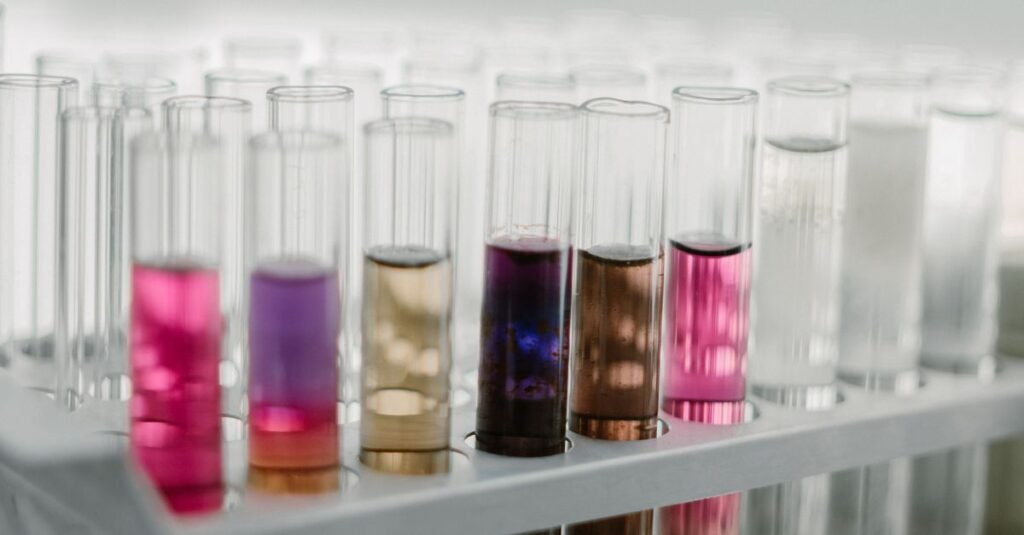
What’s Actually in Your Cleaning Cupboard?
* Fragrance Chemicals
Fragranced cleaners — including many marketed as “eco‑friendly” — often contain monoterpenes like limonene. These react with indoor air to form formaldehyde, a known respiratory irritant
* VOCs (Volatile Organic Compounds)
VOCs released from cleaning products can contribute to headaches, asthma flare‑ups, and long‑term respiratory irritation. Some VOCs found in UK homes exceed recommended cancer‑risk thresholds.
* QACs (Quaternary Ammonium Compounds)
Common in disinfectants, QACs can settle into household dust and persist on surfaces. Research links them to respiratory irritation and potential reproductive toxicity.
* Aerosolised Particles
Spray cleaners create fine airborne particles that remain suspended for hours — if you can smell it, you’re inhaling it.
How to Reduce Exposure in Your Home
Why This Matters for UK Families
Indoor air pollution spikes after cleaning, and because we spend most of our lives indoors, exposure is constant. Children, pets, and people with asthma or allergies are especially vulnerable. Understanding what’s in your cleaning products is the first step toward creating a healthier home.
Live Beyond the Label provides educational content based on publicly available UK research and reputable scientific sources. This blog post is not medical advice and should not replace guidance from qualified health professionals. Product choices are personal, and readers should always consider their own health needs, home environment, and professional recommendations when making decisions about cleaning products or indoor air quality.