Understanding What’s Really Behind Modern Plant-Based Products
Plant based eating has experienced significant growth in recent years.
Supermarket shelves are now filled with plant-based burgers, sausages, mince, dairy alternatives, ready meals, desserts and snacks. Many of these products are marketed as healthier, more sustainable and more environmentally friendly alternatives to traditional foods.
For many consumers, the term “plant based” has become associated with wellbeing, conscious living and healthier choices.
But at Live Beyond The Label, we encourage people to ask a deeper question:
What is actually behind the label?
The reality is that a product being plant-based tells us very little about how that product was made, how heavily it has been processed or what ingredients have been used to create it.
A growing number of plant-based products rely on industrial processing techniques, refined ingredients and food additives in order to replicate the taste, texture and appearance of the meat and dairy foods they are designed to replace.
This doesn’t mean plant-based eating is unhealthy.
It does mean consumers should understand the difference between a plant-based diet built around whole foods and one built primarily around highly processed alternatives.
Understanding that distinction is one of the most important steps in becoming a more informed and empowered consumer.
What Does Plant Based Actually Mean?
One of the biggest misconceptions in modern food marketing is that certain labels automatically indicate a healthier choice.
Consumers are often presented with terms such as –
– Plant-based – Vegan – Meat-free – Dairy-free – Natural – Low-fat – Healthy –
However, these descriptions only provide limited information.
The term “plant-based” simply means that a food is derived primarily from plants.
It does not tell us –
– How the product was manufactured
– How many ingredients it contains
– Whether ingredients have been refined or isolated
– Whether additives have been used
– How processed the final product may be
This is an important distinction.
A homemade lentil soup and a plant-based sausage roll can both be considered plant-based foods, yet the level of processing involved is often very different.
At Live Beyond The Label, we believe consumers deserve transparency that goes beyond front-of-pack marketing claims.
What Are Ultra Processed Foods?
Food processing exists on a spectrum.
Many forms of processing are entirely normal and often beneficial. Freezing vegetables, pasteurising milk or milling grains are all examples of food processing.
Ultra-processed foods are different.
Using the NOVA classification system, ultra-processed foods are generally industrial formulations made using ingredients that would rarely be found in a domestic kitchen
These products often contain combinations of –
* Protein isolates
* Refined oils
* Modified starches
* Emulsifiers
* Sweeteners
* Flavour enhancers
* Stabilisers
* Colourings
The aim is often to improve
– Taste – Texture – Shelf Life – Appearance – Convenience –
Examples include
– Soft Drinks – Packaged Snacks – Confectionary – Some breakfast cereals –
– Processed meats – Ready Meals – Some Plant Based Alternatives –
The important point is that ultra-processed foods are not unique to plant-based diets.
They are found across almost every dietary pattern.
Plant Based Diets and Ultra Processed Foods
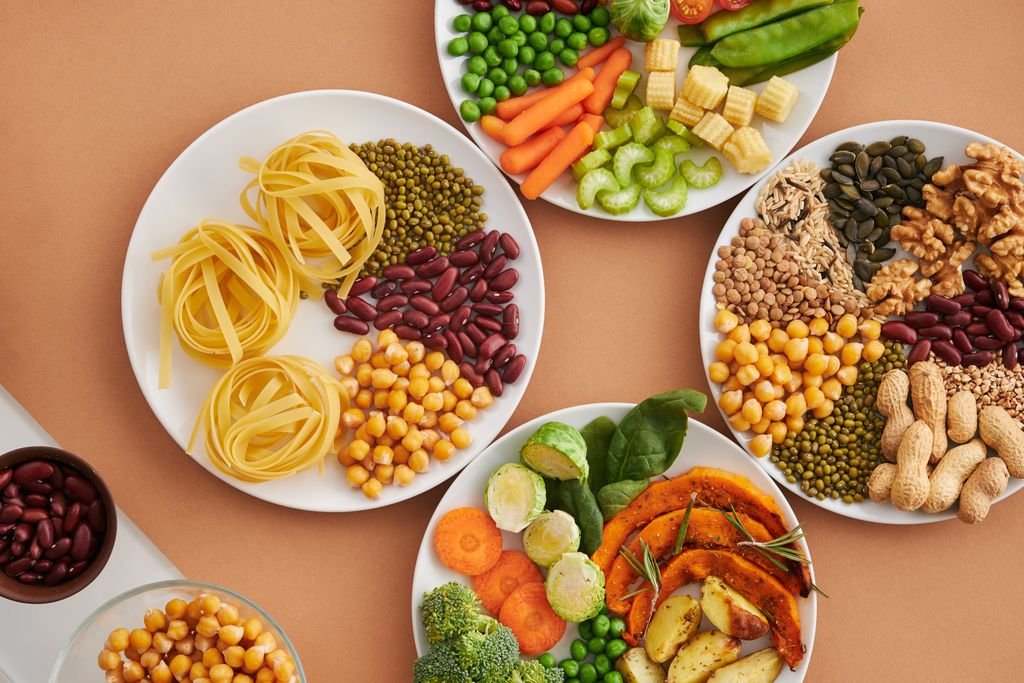
Many traditional plant-based foods are naturally minimally processed.
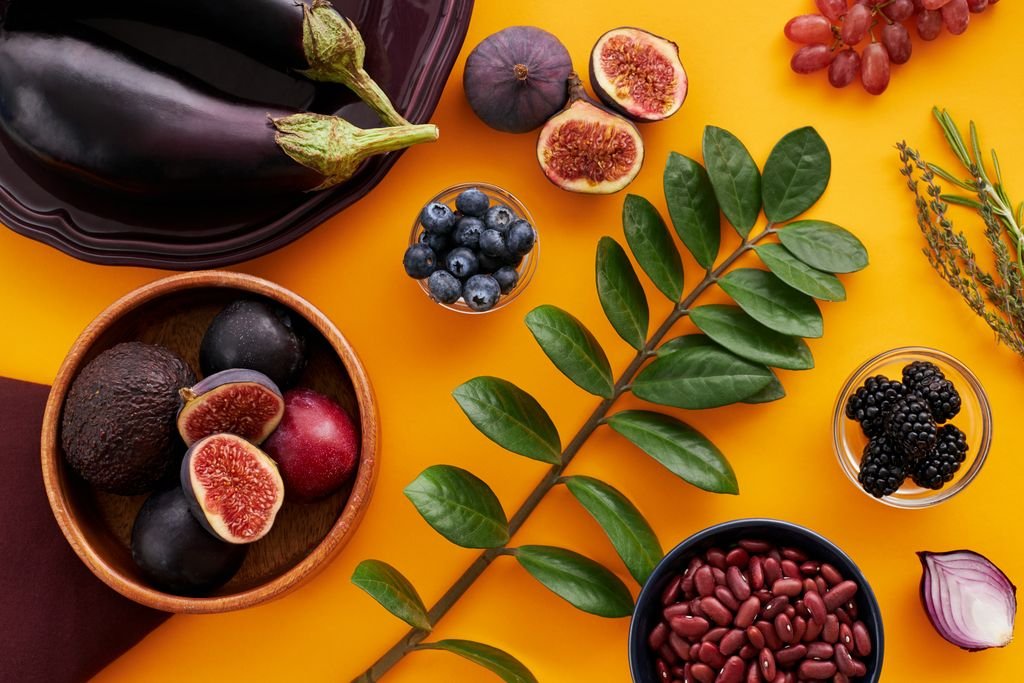
Examples include –
Lentils
Beans
Chickpeas
Vegetables
Fruit
Nuts
Seeds
Wholegrains
These foods have formed the foundation of healthy diets across many cultures for centuries.
However, many modern plant-based products look very different.
To recreate meat and dairy products, manufacturers often use a combination of highly refined ingredients and specialised processing techniques.
This is particularly common among –
– Plant-based burgers – Vegan sausages – Meat-free mince – Vegan Bacon – Vegan chicken alternatives –
– Dairy-free cheeses – Ready made Convenience foods – Vegan Desserts –
The result is that some plant-based products may contain long ingredient lists with ingredients that many consumers may not immediately recognise.
Again, this does not automatically make a product unhealthy.
But it does reinforce the importance of understanding what we are buying rather than relying solely on marketing language.
Why Are Many Meat and Dairy Alternatives Highly Processed?
Producing convincing meat and dairy substitutes is technologically challenging.
When manufacturers remove animal ingredients, they often need to recreate
– Texture
– Mouthfeel
– Structure
– Flavour
– Appearance
– Cooking characteristics
Achieving this often requires multiple ingredients and processing stages.
For example, a traditional bean-based meal might contain
– Beans – Vegetables – Herbs – Spices –
A highly processed meat substitute may contain
– Protein isolates
– Refined oils
– Flavourings
– Binding agents
– Texture modifiers
– Emulsifiers
Many consumers are surprised to discover how different these products can be from the whole foods they are ultimately derived from.
The purpose of this observation is not to criticise plant-based products.
The purpose is to encourage transparency and informed choice.
The Difference Between Plant Based and Whole Food Plant Based
One of the most useful distinctions consumers can make is understanding the difference between
Plant Based and Whole Food Plant Based
A plant based product simply contains ingredients derived from plants.
A whole food plant based approach places greater emphasis on foods that remain closer to their original state.
Examples include
Whole Food Plant Sources
– Beans – Lentils – Chickpeas – Peas – Oats – Brown rice – Quinoa –
– Nuts – Seeds – Vegetables – Fruit –
More Processed Plant Based Products
– Meat substitutes – Vegan sausages – Plant based burgers – Dairy-free cheeses –
– Processed desserts – Convenience meals –
Both can exist within a plant based diet.
However, they provide very different eating patterns.
What Can Consumers Learn From the Ingredient List?
One of the simplest ways to look beyond marketing claims is to turn the product around and read the ingredients list.
Questions worth asking include –
– How many ingredients does this product contain?
– Do I recognise most of them?
– What appears near the beginning of the list?
– Are there multiple additives?
– Would I use these ingredients in my own kitchen?
These questions are not designed to create fear.
They are designed to create awareness.
Marketing often focuses on what has been removed
– Meat free – Dairy free – Vegan –
But equal attention should be given to what has been added and why.
Can Plant Based Foods Still Be Part of a Healthy Diet?
Absolutely.
Many people choose plant based foods for
– Ethical reasons – Environmental reasons – Religious beliefs – Personal preference – Health considerations –
Well-planned plant based diets can provide a wide range of nutrients and can support overall health.
The key issue is not whether a food is plant based, the issue is overall diet quality.
A diet rich in Vegetables, Legumes, Wholegrains, Fruit, Nuts & Seeds will generally look very different from a diet that relies heavily on packaged convenience products, regardless of whether those products contain animal ingredients.
Reducing Reliance on Ultra Processed Plant Based Foods
For consumers who wish to eat more plant-based foods while reducing reliance on ultra-processed alternatives, some practical approaches may include –
Prioritising whole plant proteins such as Lentils, Chickpeas, Beans, Peas, Tofu and Tempeh
Building meals around whole ingredients including Vegetables, Wholegrains, Nuts and Seeds
Using meat alternatives strategically rather than as the foundation of every meal.
Learning simple cooking skills, many whole-food plant-based meals can be prepared with relatively few ingredients and minimal processing.
None of these approaches require perfection – The goal is simply to increase awareness and intentionality.
The Live Beyond The Label Perspective
At Live Beyond The Label, we are not anti-vegan, anti-vegetarian or anti-plant-based.
We are pro-transparency.
We believe consumers deserve access to clear information that helps them make informed decisions aligned with their personal values and circumstances.
A plant-based label is not automatically a sign of health.
Equally, a product being processed does not automatically make it harmful.
The most important thing is understanding what sits behind the marketing, recognising how products are made and making choices based on evidence rather than assumptions.
In a world full of health claims, lifestyle trends and clever packaging, we believe informed consumers are empowered consumers.
Living Beyond the Label
Plant-based eating can take many forms.
It can be built around whole foods that have been enjoyed for generations.
It can also be built around modern convenience products designed to mimic meat and dairy.
Neither approach should be judged simply by the label on the front of the pack.
The more useful questions may be
– What is this product made from?
– How has it been processed?
– Why were these ingredients used?
– Does it align with my personal goals and values?
Because “plant-based” tells us what a food contains.
It does not tell us the whole story.
And at Live Beyond The Label, understanding the whole story is what informed choice is all about.