How Food Safety Limits Work – What Safe Levels Really Mean
Food safety limits are one of the most misunderstood parts of modern nutrition. When regulators say a chemical, additive, pesticide or solvent is “safe at current levels,” most people assume that means safe for long‑term health.
But that’s not what these limits actually measure.
Food safety limits are regulatory thresholds, not biological guarantees.
They are designed around feasibility, economics and population‑level risk, not optimal health for the individual.
This guide explains how these limits are set, what they do (and don’t) mean and why “safe” is not the same as “healthy.”
What Food Safety Limits Actually Measure
Food safety limits often called
Acceptable Daily Intake (ADI)
Tolerable Daily Intake (TDI)
Maximum Residue Levels (MRLs)
Reference Doses (RfDs)
and they are designed to answer one question!
“What is the highest amount of this substance that most people can consume daily without immediate harm?”
They are NOT designed to determine –
Optimal Health
Long‑term Metabolic Impact
Cumulative Exposure
Interactions with Other Chemicals
Effects on Vulnerable Groups
Real‑world Dietary Patterns
How Regulators Set These Limits
Regulators follow a multi‑step process
Step 1 Identify a “No Observed Adverse Effect Level” (NOAEL)
This is the highest dose in animal studies where no harm was observed.
Step 2 Apply Safety Factors
Because humans differ from animals, regulators divide the NOAEL by large safety factors (often 100–1000).
Step 3 Set the Acceptable Daily Intake (ADI)
This becomes the “safe level”, the amount considered acceptable for daily lifetime exposure.
Step 4 Adjust for Feasibility
This is the part most people don’t realise If the calculated limit is too low for industry to meet, it is often adjusted upward.
This is where economics enters the equation.

Why Safe Doesn’t Mean Optimal
Food safety limits are designed to prevent
Acute Toxicity
Immediate Illness
Short term Harm
They are NOT designed to ensure
Optimal Inflammation Levels
Metabolic Health
Hormonal Balance
Gut Health
Long term Disease Prevention
This is why a food can be “safe” and still not be good for you.
The NHS Analogy – Normal vs Optimal
We have come to associate the NHS with providing routine and emergency health care.
However take a look at this comparison, a helpful way to understand food safety limits
is to compare them to something more familiar like blood test ranges.

NHS reference ranges are typically
broad, population based and designed to identify disease once it becomes clinically significantly.
They answer the question: “Is something clearly wrong?” not “Is this person thriving?”
In contrast, private or functional health ranges tend to be narrower
more sensitive to early changes and focused on identifying dysfunction before it progresses
They aim to answer: “Is this level ideal for long-term health?”
Food safety limits work in much the same way.
Regulatory limits are like NHS ranges. They define what is acceptable for the general population without causing obvious harm.
Optimal health thresholds are more like functional ranges. They consider what is best for long-term wellbeing at the individual level.
These are fundamentally different goals.
A level can fall within a regulatory “safe” range and still be suboptimal for health over time, just as a blood marker can be “normal” but not ideal.
Why Food Safety Limits Are Influenced by Economics

Regulators must Balance
Public Health Food Supply Agricultural Feasibility Manufacturing Costs Global Trade Political Pressure
This means Safety Limits
Are often Set at Levels That
Industry Can Realistically Meet
Keep Food Affordable
Avoid Disrupting Supply Chains
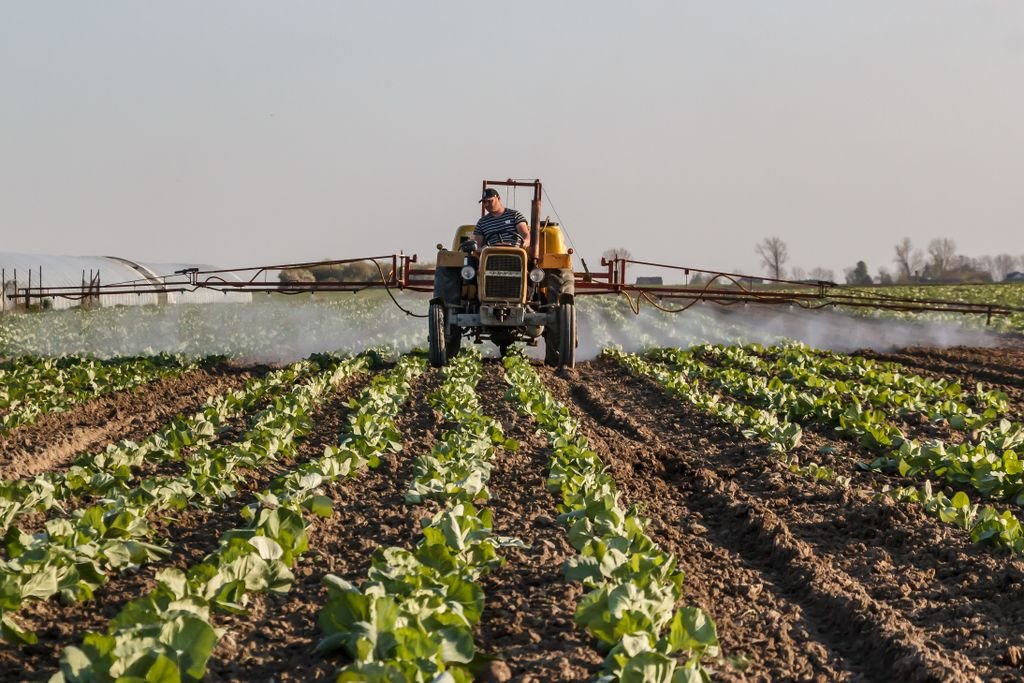
This is Why Pesticide Limits
Vary by Country
Solvent Residues are Allowed
Additives Remain Approved despite Controversy
“Safe Levels” often Reflect what Is Achievable, Not Ideal
The Problem of Cumulative Exposure
Food safety limits are set one chemical at a time.
But real life doesn’t work like that.
People are exposed to
Multiple Additives
Multiple Pesticides
Multiple Solvents
Multiple Packaging Chemicals
Multiple Environmental Contaminants…
… All at once.
Yet safety limits rarely account for:
Combined Effects
Synergistic Toxicity
Long‑term Accumulation
Interactions between Chemicals
This is one of the biggest blind spots in modern food regulation.
Why “Safe Levels” Change Over Time
Food safety limits are not fixed.
They change when…
…New research emerges
Public pressure increases
Industry practices evolve
Political priorities shift

Examples
Trans Fats were once “safe”
Certain Pesticides were once “safe”
BPA was once “safe”
Artificial Colours were once “safe”
“Safe” is a moving target.
What This Means for Everyday Consumers
You don’t need to fear food. You don’t need to eliminate everything. You don’t need to obsess over labels.
But you do deserve to understand what “safe” actually means.
Safe = below a regulatory threshold.
Healthy = supports long‑term wellbeing.
Optimal = aligned with human physiology.
These are not interchangeable.
How to Make Informed, Realistic Choices
Choose more often:
cold‑pressed oils
minimally processed foods
organic or low‑pesticide produce
chocolate with simple ingredients
foods with short, recognisable ingredient lists
This is choice – your choice to decode, decide, live.
Reduce (not eliminate):
ultra‑processed foods
refined seed oils
foods with “vegetable oil”
products with long additive lists
foods containing palm/shea blends
This is informed reduction — not restriction.
The Empowering Takeaway
Food safety limits are not designed to optimise your health. They are designed to keep the food system functioning.
Understanding how these limits work helps you…
Read Labels with Confidence
Understand Regulatory Language
See through Marketing Claims
Make Choices aligned with your Values
This is Live Beyond the Label
– not fear — awareness not restriction — understanding not elimination — informed choice –