Cocoa Butter – What It Really Is? Where It Comes From? How It’s Actually Extracted?
Cocoa Butter sounds simple. It’s often marketed as a natural, luxurious ingredient, something pure, something traditional, something almost untouched.
But like many ingredients, the story behind cocoa butter is more complex than the label suggests.
If you’re trying to make more informed choices, whether about chocolate, skincare or food quality, it helps to look beyond the surface. Because how cocoa butter is made matters just as much as where it comes from.
Cocoa Butter starts with a Tropical Tree
Cocoa butter begins inside the seeds of the cacao tree (Theobroma cacao), grown in a narrow band around the equator where heat, humidity, and rainfall remain consistent year-round.
The majority of cacao comes from…
West Africa
Parts of Southeast Asia
Central and South America
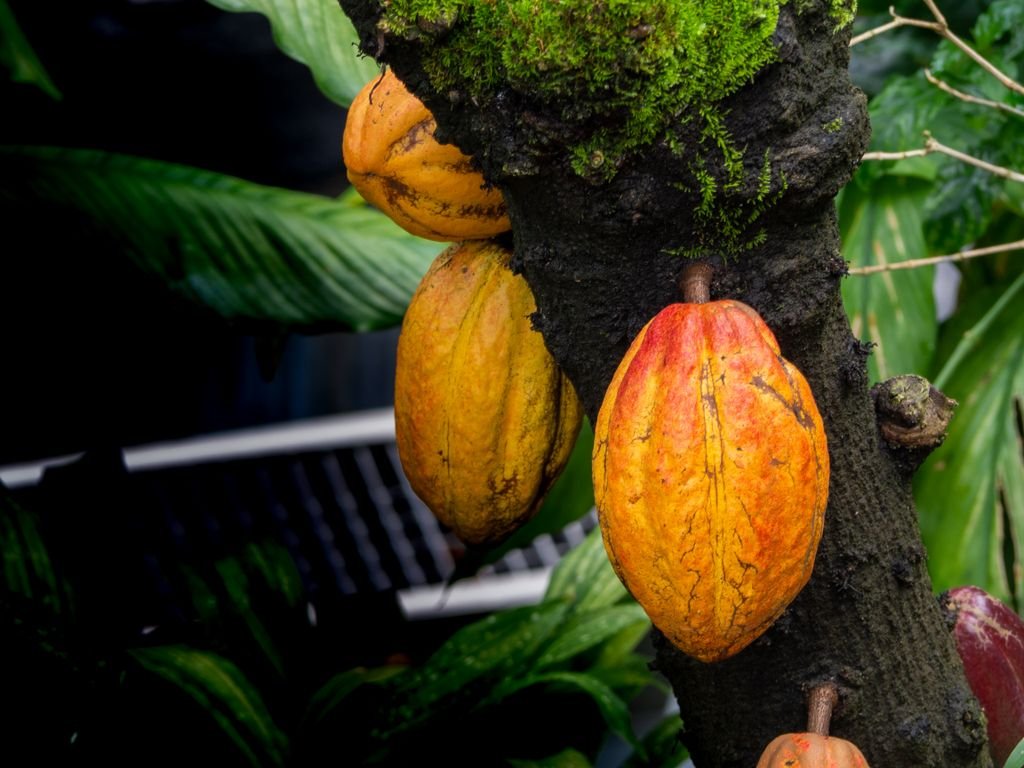
The trees produce large pods that grow directly from their trunks. Inside each pod are dozens of seeds embedded in a sweet pulp. These seeds, which we call cocoa beans are naturally rich in fat.
Roughly half of each bean is cocoa butter.
The First Transformation – Flavour Development
Before extraction even enters the picture, cocoa beans go through a critical transformation.
Once harvested, the beans are…
* Fermented for several days
* Dried to stabilise them
Fermentation isn’t just a preservation step. It’s where the building blocks of chocolate flavour are created. Without it, cocoa would taste flat, bitter and undeveloped
By the time the beans reach a processing facility, they already hold the potential of the final product, flavour, aroma and fat content.
From Bean to Cocoa Liquor
Next comes the industrial stage.
Beans are
Roasted to enhance flavour
Cracked and separated from their shells
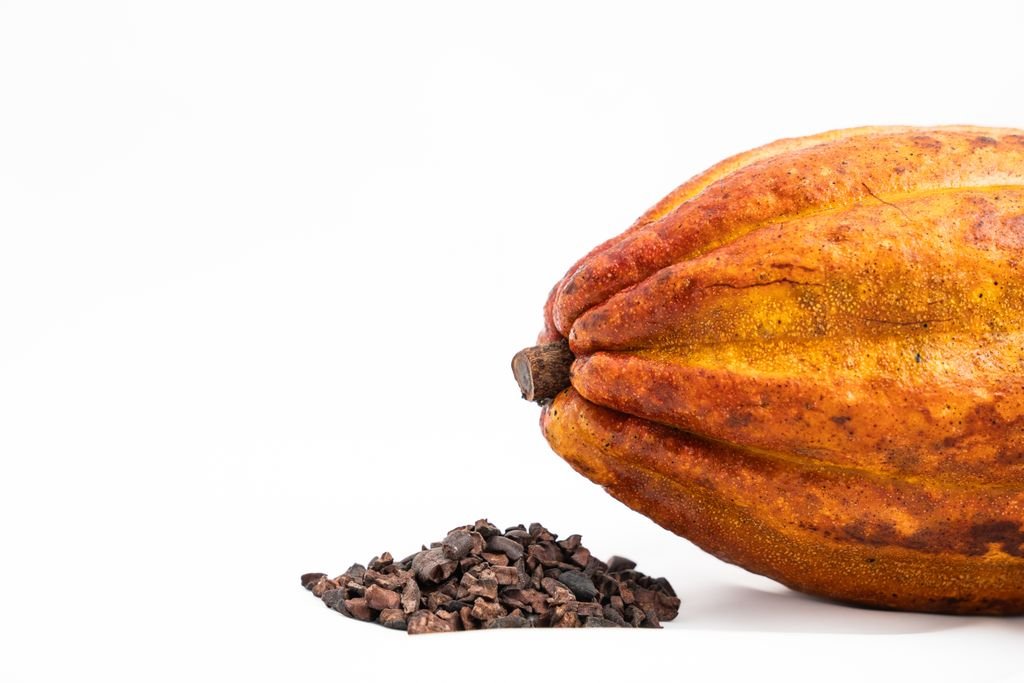
Ground into a thick paste
This paste is called cocoa liquor (or cocoa mass). It’s not a liquid in the usual sense, but a dense mixture of Cocoa Solids and Cocoa Butter. At this point, nothing has been separated yet. That’s where extraction begins.
The Key Question – How Is the Cocoa Butter Removed?
This is the step most consumers never see, but it’s one of the most important.
There isn’t just one way to extract cocoa butter. There are several and they don’t all produce the same result.
Method 1 – Mechanical Pressing (The Traditional Approach)
This is the version most people imagine when they think of “natural” processing.
The cocoa liquor is placed into a press where intense pressure forces the fat out. What’s left behind is a dense cake, which is later ground into cocoa powder.
What this means in practice…
No chemical solvents are used
The cocoa butter retains more of its natural character
Flavour and aroma are better preserved
But there’s a trade-off!
Pressing doesn’t extract everything. Some fat remains in the solids, which makes the process less efficient.
Why it matters…
This is typically the method associated with
Higher-quality chocolate
More complex flavour profiles
Products that prioritise taste over cost efficiency
Method 2 – Solvent Extraction (Where Efficiency Takes Over)

At industrial scale, efficiency becomes a priority. This is where solvent extraction comes in.
Instead of relying purely on pressure, manufacturers use a solvent to pull out the fat.
How it works (in simple terms)…
Cocoa material is mixed with a solvent
The solvent dissolves the cocoa butter
The fat-rich mixture is separated
Heat is used to remove the solvent
Cocoa butter remains
This method can extract almost all available fat—far more than pressing alone.
Why it’s used…
Higher yield
Lower cost
More consistent output
Works with lower-quality raw materials
This is the system that supports mass-market chocolate production.
A Closer Look at Hexane in the Process
In many industrial systems, the solvent used is hexane. (Read more here)
Rather than being part of the ingredient itself, it functions as a processing tool, helping separate fat from solids at a much higher efficiency than mechanical methods.
Within the process…
It dissolves the cocoa butter from the cocoa mass
It is later removed through heating
It is often recovered and reused within the system
The result is a cocoa butter that is…
Highly refined
Uniform in composition
More neutral in flavour
What Changes With This Method?
From a purely technical perspective, solvent extraction is effective. But it also changes the outcome in subtle ways.
Compared to mechanically pressed butter, solvent-extracted cocoa butter tends to be…
Less aromatic
Less complex in flavour
More standardised
That’s not necessarily a flaw, it’s a design choice.
It aligns with products where…
Cost matters more than nuance
Consistency matters more than origin character
Chocolate is used as part of a larger formulation
Method 3 – The Broma Process (A Glimpse Into the Past)
Before modern presses and solvents, cocoa butter could be separated in a much simpler way.
In the Broma process, cocoa liquor was placed in permeable bags and kept warm. Over time, the melted cocoa butter would drip out naturally and be collected.
This method is…
Extremely simple
Very low-tech
Not efficient by modern standards
But it demonstrates something important – cocoa butter separates from solids naturally when heat is applied.
Emerging Methods – Looking for Alternatives
Newer extraction methods are being explored, including those using ethanol instead of petroleum-derived solvents.
These approaches aim to…
Reduce reliance on conventional solvents
Improve sustainability
Maintain extraction efficiency
They are still developing and not yet widely used in mainstream production.
What Makes Cocoa Butter So Unique?
Beyond its origin and extraction, cocoa butter has some unusual physical properties.
It melts just below body temperature, this is why…
Chocolate stays solid in your hand – But melts smoothly in your mouth
It also forms different crystal structures.
When chocolate is properly tempered, the most stable structure forms, giving it…
A glossy finish
A clean snap
When this goes wrong, you get the familiar white coating known as bloom.
Natural vs. Deodorized – Another Layer of Processing
After extraction, cocoa butter can be handled in different ways.
Natural cocoa butter…
Retains a mild cocoa aroma
Has a light yellow colour
Reflects the original bean characteristics
Deodorized cocoa butter…
Treated to remove scent and colour
More neutral and versatile
Common in cosmetics and some food products
Again, it’s not about right or wrong, just different uses.
Where Cocoa Butter Ends Up
Most people encounter cocoa butter in…
Chocolate
Confectionery
But it’s also widely used in…
Skincare
Lip balms
Pharmaceutical products
Its ability to melt at body temperature makes it ideal for both food and topical use.
Looking Beyond the Label
From the outside, “cocoa butter” looks like a single, simple ingredient.
But the reality is…
It can be extracted in different ways
It can vary in flavour and composition
It can be shaped by industrial priorities as much as natural ones
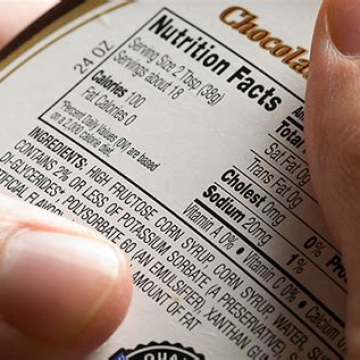
None of this is necessarily visible on the label.
And that’s where awareness matters.
Because once you understand the process, you start to see why…
Some chocolate tastes richer
Some melts differently
Some products cost more
Some ingredients feel more “refined” than others
The Takeaway
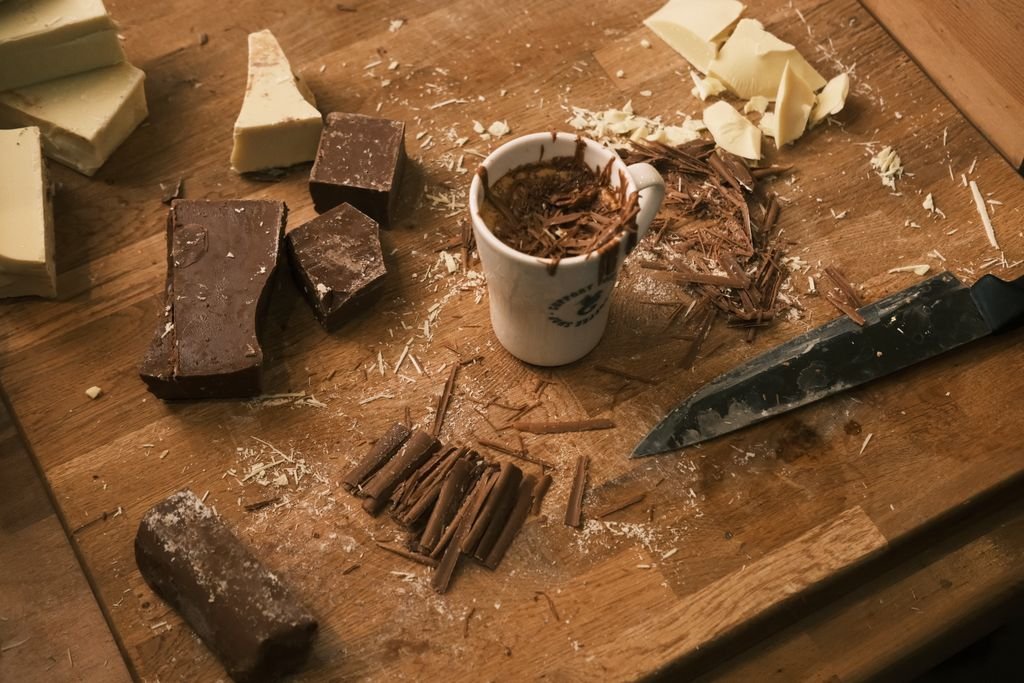
Cocoa butter isn’t just an ingredient—it’s the result of a series of choices…
How the beans are handled
How the fat is extracted
What trade-offs are made between quality and efficiency
Mechanical pressing preserves more of what cocoa naturally offers. Solvent extraction maximises output. Emerging methods are trying to find a middle ground.
Understanding these differences doesn’t mean you need to avoid one or choose another absolutely.
It just means you’re no longer relying on the label alone.
And that’s the whole point of living beyond it.
Knowing the method behind the ingredient helps you Live Beyond the Label – choosing chocolate based on transparency, quality, and your own values.
Disclaimer
This content is intended for educational and informational purposes only. It does not provide professional, scientific, or regulatory advice. Cocoa butter production methods, processing standards, and ingredient practices vary across manufacturers, regions, and applications. Always refer to product-specific information or consult qualified professionals when making decisions related to food, health, or manufacturing processes.