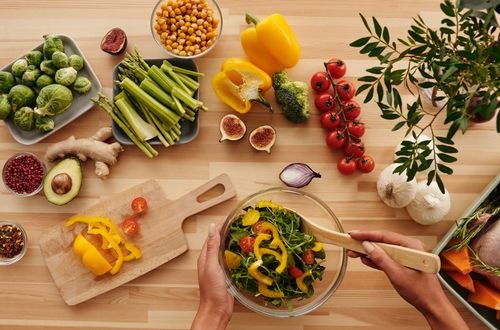
Rooted in Real Food
Why Growing, Cooking & Preserving must be taught throughout the school years.
We are now several generations deep into convenience culture, a world shaped by ultra processed foods, ready meals and a growing disconnect from where real food comes from.
Many children leave school knowing how to analyse a poem or solve an equation,
yet have no idea how to grow a carrot, cook a simple meal or preserve food for later.
Some of us were fortunate enough to grow up with glimpses of real food skills woven into everyday life, gardening, cooking from scratch or being around farming and rural environments.
However, that experience is no longer common and it certainly isn’t guaranteed.
Today, most children don’t have access to this knowledge at home and many parents never learned it themselves. We are now three generations into a food system where convenience replaced understanding and where marketing replaced education.
This is why food literacy, the ability to grow, cook and preserve food must become a core part of education from ages 4 to 16. Not as an optional club, not as a single term of baking, but as a structured, meaningful curriculum that prepares children for real life.
Three Generations of Disconnection
In previous generations, food skills were passed down naturally. Families grew their own vegetables, fruit, herbs etc, some even reared a pig or kept chickens, they cooked from scratch and preserved seasonal gluts. Even those who didn’t live rurally often had some connection to real food.
But over the last 50 years, convenience has replaced knowledge. Ultra processed foods became the norm and many families stopped cooking from scratch. As a result, we now have parents who never learned these skills and children who have no chance of learning them at home.
UPFs are engineered to be cheap, fast and hyper palatable. They dominate supermarket shelves, children’s lunchboxes and family budgets. They are designed to be irresistible not nourishing.
In cities especially, food production is invisible. Milk comes from a shop, not a cow. Vegetables come in plastic, not soil. Without intentional education, children grow up disconnected from the origins of their food — and disconnected from the skills that allow them to feed themselves confidently and independently.
This isn’t a moral failing. It’s a systemic gap but it is one that can be fixed.
Why Food Literacy Matters
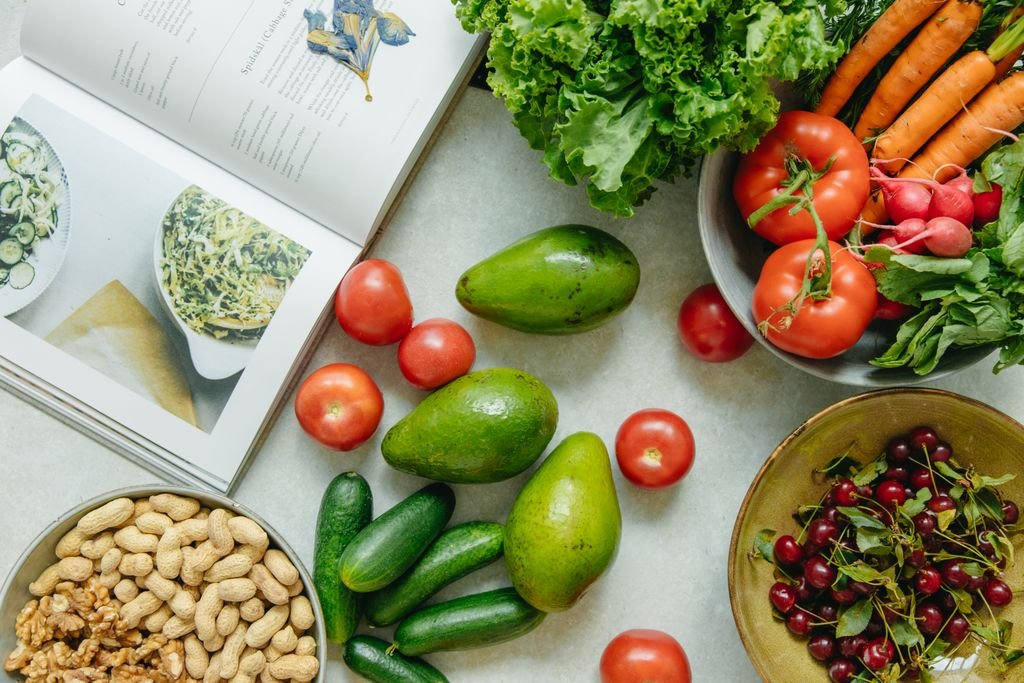
Food literacy is more than cooking. It is the full cycle of understanding how food is grown, how it is prepared and how it is preserved. It is the foundation of independence, health and resilience.
Growing
Learning to grow food teaches children patience, biology, responsibility and respect for nature. It connects them to seasons, soil, weather and the rhythms of real food production.
Growing food helps children understand sustainability, food waste and the value of local produce. It builds appreciation for farmers and the work behind the food they eat.
Coming soon – growing food
Cooking
Cooking is confidence. It is creativity. It is independence.
Children who learn to cook from scratch develop a natural understanding of nutrition, budgeting, flavour and food safety. They learn how to make real meals, not just follow instructions on a packet.
Cooking reduces reliance on UPFs and helps children understand what “real food” actually is. It encourages questioning which ultimately provides knowledge.
Coming soon – basic cooking skills
Preserving
Preserving is the missing piece, the skill that turns food literacy into self sufficiency.
Children who learn to freeze, ferment, dry, pickle or bottle food learn resourcefulness. They learn how to reduce waste, stretch budgets and make seasonal produce last.
Preserving connects children to heritage skills that have sustained families for generations.
Coming soon – preserving skills
Convenience, Cost and the Ultra processed foods Trap
Food literacy cannot exist in isolation from the economic realities families face.
Even if we teach children how to grow, cook and preserve food, those skills will only be useful if real ingredients are accessible and affordable. Right now, they often aren’t.
Upfs are cheap because they are engineered to be cheap. They use low cost ingredients, bulk fillers, stabilisers, emulsifiers and additives that extend shelf life and reduce production costs. They are designed for convenience – quick to heat, easy to store, and aggressively marketed.
For many families, UPFs aren’t a choice. They’re a necessity.
When a ready meal costs £2.50 and the ingredients to cook a fresh version cost £6 – £10, the decision is made for you. When a jar of sauce is £1 but the tomatoes, herbs and aromatics cost triple that, convenience wins.
This is not a failure of parenting. It’s a failure of the food system.
Coming soon – UPFs and Costs
Real Food Should Not Be a Luxury
If we want children to cook better, we must ensure families can afford to cook better. Real food should be obtainable to every consumer, not just high earners, not just those who sacrifice other essentials to feed themselves well.
Right now, the cost of fresh ingredients is rising faster than the cost of UPFs. This creates a dangerous divide
– Those who can afford real food eat it.
– Those who can’t rely on UPFs.
– Children learn what they see.
Food literacy cannot thrive in a system where the most nourishing foods are the most expensive.
Teaching children to cook is meaningless if they grow up in households where real ingredients are out of reach.
Food Tech is not Food Education
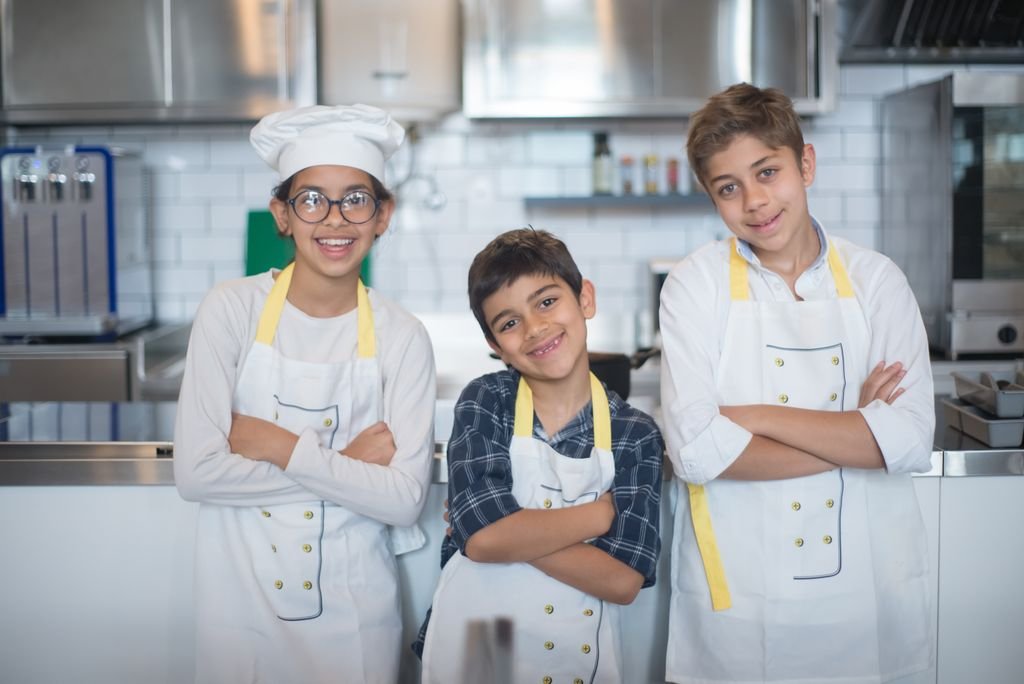
Even when schools do offer food education, it’s rarely enough. Most secondary schools provide one term of “Food Technology” per year and the end result is often a tray of scones, cookies or muffins.
Ingredients are frequently pre weighed and pre packaged before students even enter the room. Children follow a set of instructions, produce a baked item and leave without understanding anything about
– ingredient origins
– nutrition
– processing
– cost
– food systems
– real cooking skills
Nutrition is often taught superficially, framed through marketing messages rather than real food knowledge. Children learn about “balanced diets” in abstract terms, but not how to read beyond the front of a packet or understand processing levels.
This is exactly what Live Beyond the Label challenges, the idea that front of pack messaging equals truth.
Explore nutrition education
What a 4–16 Food Literacy Curriculum Could Look Like
A meaningful food literacy curriculum doesn’t need to be complicated. It needs to be consistent, practical, and age appropriate.
Ages 4–7 – Early Exploration
– Planting seeds
– Tasting vegetables
– Learning where food comes from
– Simple cooking
Ages 8–11 – Building Skills
– School gardens
– Basic recipes
– Understanding seasons
– Freezing and drying simple foods
Explore: school gardens
Ages 12–14 – Real Knowledge
– Nutrition beyond marketing
– Budgeting and meal planning
– Seasonal eating
– Introduction to preserving
Explore: seasonal eating
Ages 15–16 – Independence
– Cooking full meals
– Fermentation, bottling, pickling
– Growing cycles and crop planning
– Understanding food labels beyond branding
This curriculum builds children who can grow what they eat, cook what they need and preserve the rest.
Conclusion – Rooted in Real Food, Rooted in Real Skills
We cannot keep raising generations who know everything about technology but nothing about food.
Growing, cooking, and preserving are not nostalgic skills.
They are essential life skills that build independence, confidence, and connection.
Some of us were lucky enough to learn these skills through family, environment, or circumstance.
But luck should not decide who learns how to feed themselves.
Food literacy must become part of education from ages 4 to 16.
It’s how we build a future rooted in real food, real skills and real resilience.
A future where children grow up understanding not just what food is,
but where it comes from, how it’s made, and how it sustains them.
This is how we help the next generation live beyond the label.