
How We Lost Our Connection to Real Food
Over the last fifty years, Britain has undergone one of the most dramatic shifts in food culture in human history. In just three generations, we’ve moved from a society where most families cooked from scratch, grew something at home, and preserved seasonal produce — to one where ultra processed foods dominate diets, shopping baskets, and children’s understanding of what food even is.
This didn’t happen overnight.
It happened slowly, quietly, and systematically.
Unless we understand how we got here, we cannot rebuild the food literacy our children desperately need.
This is the first article in our Food Literacy Series.
Exploring the roots of the problem so we can build a better future.
Generation One – The Rise of Convenience (1970s–1990s)
The first major shift began in the 1970s.
Women entered the workforce in larger numbers, families became busier and supermarkets expanded rapidly.
Convenience foods were marketed as modern, efficient and liberating.
Packet mixes, tinned meals, frozen ready meals, and instant sauces became household staples.
They weren’t yet the ultra processed foods we see today, but they were the beginning of a cultural shift.
food became something to heat – not something to make –
Cooking from scratch declined.
Preserving skills faded.
Growing food became a hobby rather than a norm.
Children in this generation still saw some real food preparation at home but less than their parents did.
The chain of knowledge began to weaken.
Coming Soon – UPFs
Generation Two – The UPF Boom (1990s–2010s)
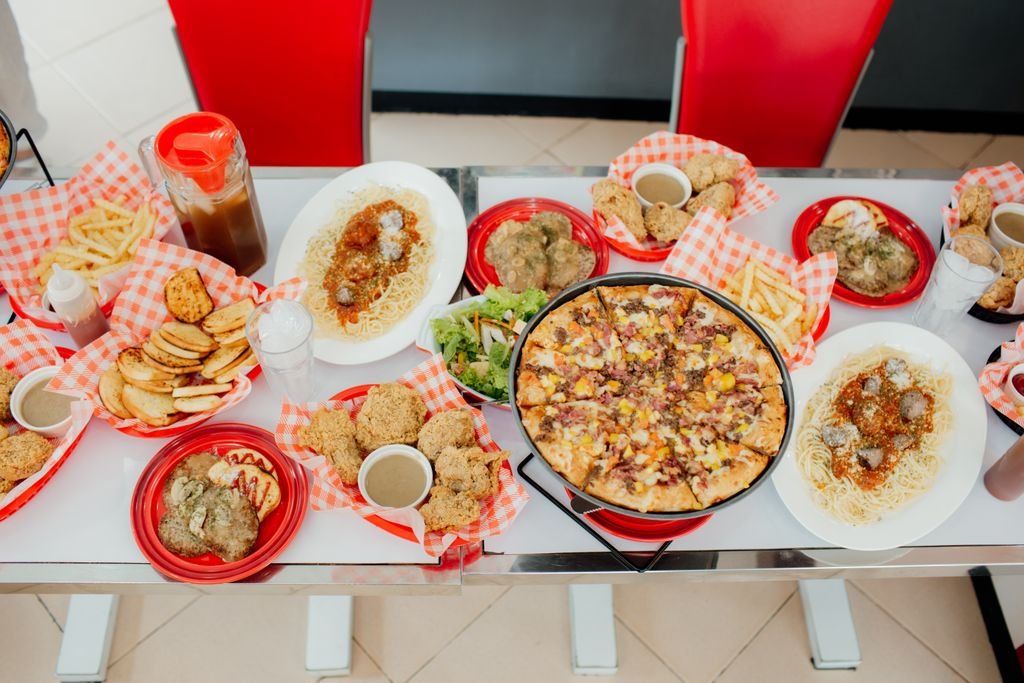
By the 1990s, the food landscape had transformed.
Ultra processed foods exploded in availability, affordability and marketing power.
Supermarkets filled with
– microwave meals
– processed meats
– flavoured yogurts
– cereal bars
– instant noodles
– jarred sauces
– “healthy” convenience snacks
These products were engineered to be cheap, fast and hyper palatable.
They were designed to save time, reduce effort and fit modern lifestyles.
For many families, they became essential not optional.
This generation grew up with
– fewer home cooked meals
– less exposure to raw ingredients
– little understanding of food origins
– almost no experience of growing or preserving food
Food literacy wasn’t just declining. It was disappearing.
Coming Soon – food literacy
Generation Three – The Convenience Trap (2010s–Present)
Today’s children are the third generation raised in convenience culture and they are the most disconnected from real food.
Many have never:
– seen a vegetable pulled from soil
– watched a meal made from scratch
– tasted food preserved at home
– understood how ingredients become meals
– learned how to cook beyond heating instructions
They recognise brands, not ingredients.
They trust packaging, not processes.
They learn nutrition from marketing, not knowledge.
And crucially – They see UPFs as normal food.
This is not their fault. It is the system they have inherited.
Why Convenience Became the Default
Convenience didn’t win because families stopped caring.
It won because the system made it the easiest, cheapest and most accessible option.
1. Time Poverty
Modern families are stretched.
Long work hours, commutes, childcare pressures therefore convenience fills the gap.
2. Cost
UPFs are engineered to be cheap.
Real ingredients are not.
When a ready meal costs £2.50 and fresh ingredients cost triple that,
the choice is made for you.
Coming Soon – real food affordability
3. Marketing
Children are surrounded by branding, health claims and packaging designed to influence their choices.
Coming Soon – food marketing
4. Skill Loss
Parents can’t teach what they never learned.
If you didn’t grow up cooking, growing, or preserving, you can’t pass those skills on.
5. Lack of School Education
Food Tech teaches little more than putting premeasured ingredients in a bowl, not food literacy. Nutrition lessons teach marketing, not understanding.
Coming Soon – Food Tech failure
The Result – A National Food Literacy Crisis

Three generations of convenience culture have created a perfect storm
– Families rely on UPFs because they’re cheap and fast.
– Children grow up disconnected from real food.
– Schools don’t teach meaningful food skills.
– Parents don’t have the knowledge to fill the gap.
– Real ingredients feel expensive, intimidating or unfamiliar.
This is not a small issue.
It is a public health issue, a cultural issue and a future resilience issue.
Food literacy isn’t just about cooking.
It’s about independence, confidence, health and the ability to feed oneself well.
Why Understanding This History Matters
If we want to rebuild food literacy, we must understand why it collapsed.
We cannot simply tell families to “cook more” when
– they lack time
– they lack skills
– they lack confidence
– they lack affordable access to ingredients
We cannot tell children to “eat better” when
– they don’t know what real food looks like
– they don’t know how to prepare it
– they don’t know how to preserve it
– they don’t understand food beyond branding
We cannot tell schools to “teach cooking” when
– they lack funding
– they lack facilities
– they lack curriculum time
– they lack trained staff
Food literacy collapsed because the system changed.
To rebuild it, the system must change again.
Where We Go from Here
This article is the foundation of your Food Literacy Series.
It explains the why behind the crisis.
The next articles will explore:
– the affordability gap
– the failure of Food Tech
– the need for growing skills
– the importance of preserving
– how schools can build real food education
– how families can rebuild skills at home
Each piece will connect back to this one – creating a full ecosystem of understanding.
Conclusion – The Disconnect Wasn’t Inevitable but the Reconnection Can Be

Three generations of convenience culture have left children disconnected from real food
But this disconnect does not need to become permanent
It can be reversed – It can be stopped
By teaching children to grow, cook and preserve food, we can rebuild the skills that were lost.
By making real ingredients affordable, we can make real food accessible.
By reforming school food education, we can give every child the foundation they deserve.
By living beyond the label, we can help families see food clearly again.
This is how we begin the journey back to real food, one generation at a time.