
Food Tech Isn’t Food Education – Why Schools Are Failing Children
Most children in Britain leave school knowing how to bake a tray of scones, follow a simple recipe or assemble a pasta bake, yet they have no idea how to grow food, cook real meals, preserve seasonal produce or understand nutrition beyond marketing.
This isn’t because teachers don’t care. It’s because the curriculum isn’t designed to teach real food literacy.
Food Tech, as it currently exists, is not food education.
It is a fragmented, outdated, surface level subject that teaches children how to follow instructions, not how to feed themselves confidently and independently.
This article explores why Food Tech fails, what children actually need and how schools can rebuild meaningful food literacy from ages 4–16.
Food Tech Teaches Recipes – Not Skills

Most secondary schools offer one term of Food Technology per year. The typical outcome?
– scones – muffins – pizza – pasta bake – cheese straws –
– pre weighed ingredients – step by step simple instructions –
– minimal theory – no understanding of food systems –
Children follow a recipe, produce a baked item and leave without learning anything about
– ingredient origins
– nutrition beyond marketing
– cost per portion
– food processing
– seasonal eating
– budgeting
– food safety
– growing food
– preserving food
Food Tech teaches products, not principles.
Ingredients Are Often Pre Measured and Pre Packaged
In many schools, ingredients are prepared before students even enter the room or bought / prepared at home to save time in the classroom.
– flour weighed – butter cubed – vegetables pre chopped –
– sauces pre portioned – pre mixed dough –
This removes the most important part of cooking – learning how ingredients behave.
Children never learn hoe to measure, chop, knead, season, adjust, fix mistakes or how to taste and adapt.
They learn how to assemble, not how to cook.
Nutrition Is Taught Through Marketing, Not Reality
Nutrition lessons often rely on
– traffic light labels
– “balanced diet” posters
– Eatwell Guide diagrams
– brand approved messaging
– simplified food groups
– calorie focused teaching
Children learn how to read packaging, not how to understand food.
They learn
“low fat is good”
“high protein is healthy”
“wholegrain means nutritious”
“fortified means better”
But they don’t learn
– what processing does to food
– how UPFs are engineered
– how additives work
– how to read ingredients lists
– how to compare real food vs UPFs

This is exactly what Live Beyond the Label challenges –
The idea that front of pack messaging equals truth.
Food Tech Ignores the Skills Children Actually Need
Children need to learn
– how to grow food – how to cook simple meals – how to preserve seasonal produce –
– how to budget for ingredients – how to reduce waste – how to batch cook –
– how to understand food systems – how to read labels beyond branding – how to make real food accessible –
Food Tech teaches none of this.
Food Tech Doesn’t Address Affordability

Children learn how to make dishes that require:
multiple ingredients
expensive items
branded products
large quantities
unrealistic budgets
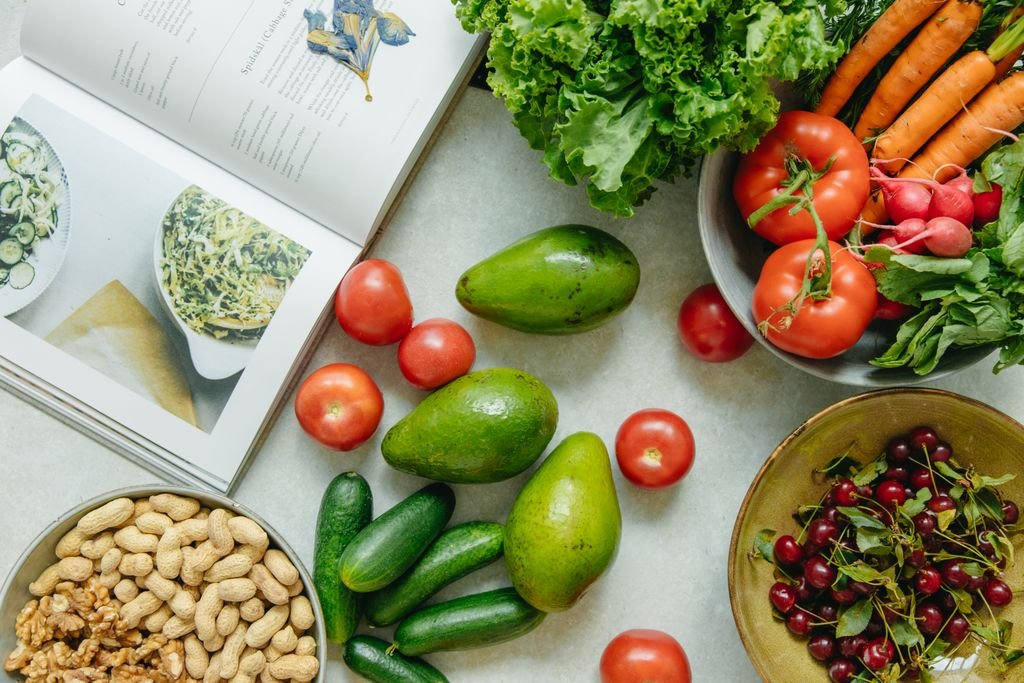
They don’t learn
cost per portion
affordable swaps
seasonal alternatives
batch cooking
low cost staples
how to stretch meals
Food literacy must include affordability otherwise it becomes a privilege.
Food Tech Doesn’t Teach Growing or Preserving
Growing and preserving are essential parts of food literacy — yet they are almost entirely absent from the curriculum.
Children rarely learn
how food is grown
how soil works
how seasons affect produce
how to freeze food safely
how to ferment vegetables
how to bottle fruit
how to dry herbs
how to reduce waste through preservation
Growing and preserving build independence, confidence, and resilience — skills children will use for life.
Explore: growing food Explore: preserving skills
Food Tech Doesn’t Prepare Children for Real Life
When children leave school, they face
– rising food costs
– shrinking time
– aggressive marketing
– reliance on convenience
– limited cooking confidence
– no understanding of food systems
Food Tech does not prepare them for this reality.

Children & Teens need
– simple, affordable recipes
– confidence with raw ingredients
– understanding of processing & seasonal awareness
– practical food safety
– real world budgeting
– growing and preserving skills
Food Tech teaches none of these.
What Real Food Education Could Look Like
A meaningful curriculum would teach children
Ages 4–7
planting seeds
tasting vegetables
simple cooking
food origins
Ages 8–11
school gardens
basic recipes
freezing and drying
seasonal eating
Ages 12–14
nutrition beyond marketing
budgeting
meal planning
introduction to preserving
Ages 15–16
cooking full meals
fermentation, bottling, pickling
growing cycles
understanding food labels
The System Must Change – Not Teachers
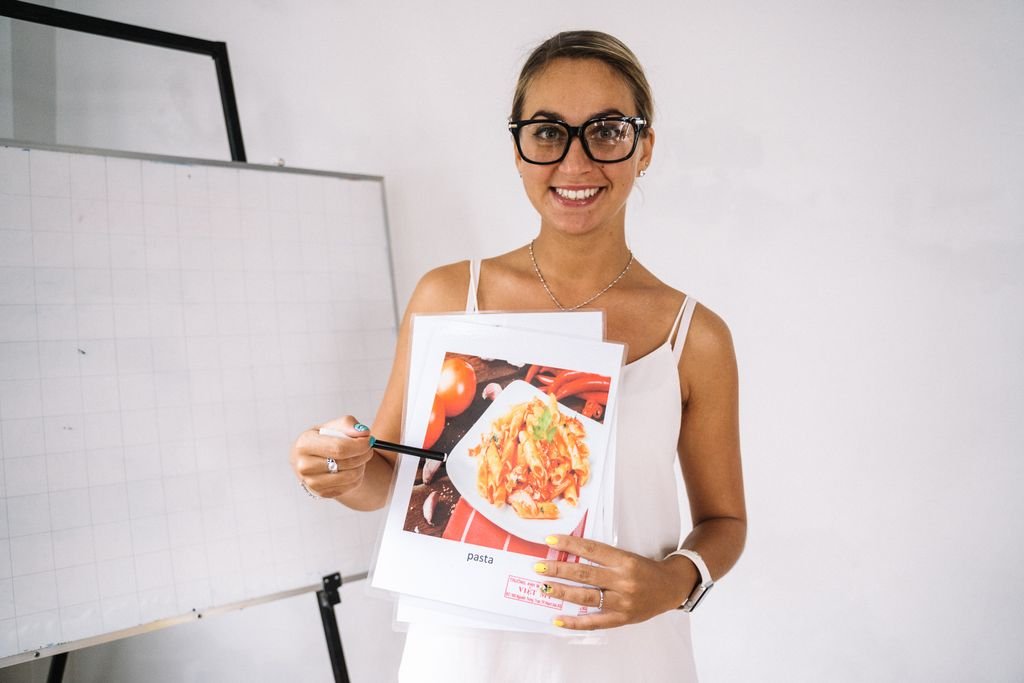
Teachers are doing their best within a broken system:
– limited funding – limited facilities – limited curriculum time –
– limited training – limited resources –
The issue isn’t teachers. The issue is the curriculum.
Food literacy must be prioritised, funded and integrated. Not squeezed into one term of baking.
Conclusion – Food Tech Isn’t Food Education But It Can Be
Food Tech, as it exists today, does not teach children how to feed themselves. It teaches them how to follow instructions.
Real food education must teach
– growing – cooking – preserving – budgeting –
– seasonal eating – food systems – confidence – independence
Food literacy is not optional. It is essential.
This is how we help the next generation live beyond the label.