Preserving food is one of the most powerful, yet mostly forgotten food skills.
For generations, families preserved food to stretch budgets, reduce waste and make seasonal produce last through the year.
Today, most children grow up with no understanding of how food can be frozen, fermented, bottled, dried or pickled.
As a result, real food feels expensive, short lived and intimidating.
Preserving food changes everything.
– It makes real food affordable – It makes real food accessible – It makes real food last –
This article explores why preserving skills matter, how they support food literacy
and why every child should learn them.
Why Preserving Matters More Than Ever
Children today grow up in a food system built around
– ultra processed foods
– convenience meals
– short shelf life fresh produce
– rising food costs
– aggressive marketing
– limited cooking confidence
Preserving is the antidote to all of these.
What does preserving teach children?
– how to make food last
– how to reduce waste
– how to stretch budgets
– how to use seasonal produce
– how to build independence
– how to create affordable meals
Preserving is not old fashioned. It is essential.

Preserving Makes Real Food Affordable
Affordability is one of the biggest barriers to real food. Preserving removes that barrier.
When children learn to preserve, they learn
– how to freeze herbs instead of letting them wilt
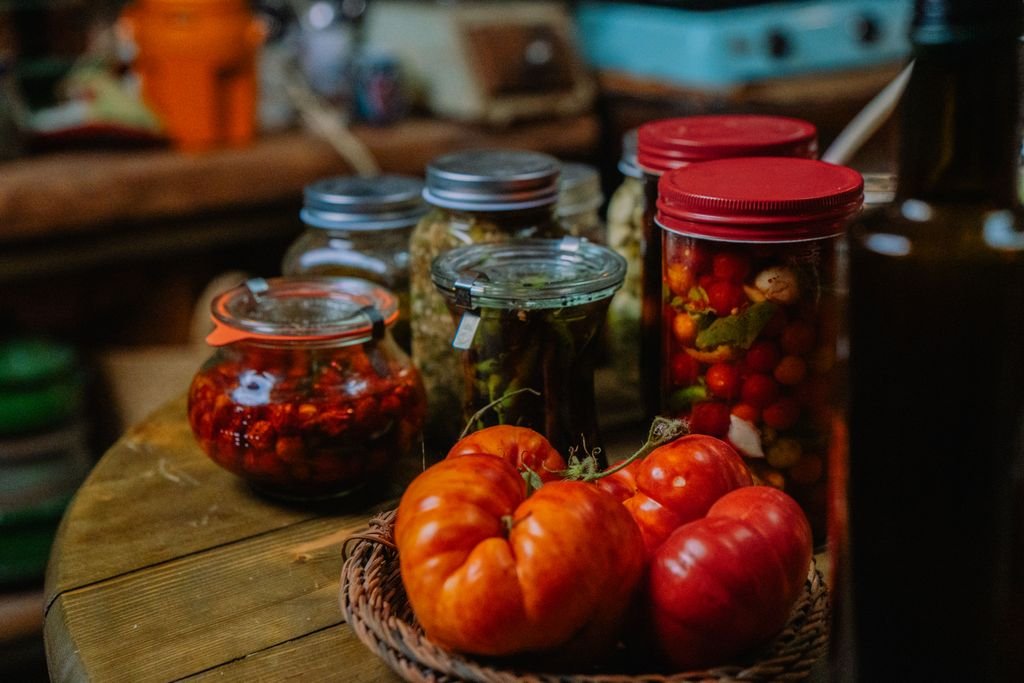
– how to bottle tomatoes instead of buying jars
– how to pickle vegetables instead of throwing them away
– how to dry fruit instead of buying snacks
– how to ferment produce instead of relying on UPFs
Preserving turns £5 of seasonal produce into weeks of food.
It teaches children that real food doesn’t have to be expensive.
Preserving Reduces Waste Dramatically
Families waste food because
– fresh produce spoils quickly – busy schedules interrupt cooking plans –
– ingredients get forgotten – children change their minds – life gets in the way –
Preserving teaches children how to save food before it spoils.
They learn to freeze, ferment, bottle, dry and pickle.
Waste becomes opportunity – Leftovers become ingredients – Seasonal abundance becomes long term food.
Preserving Builds Confidence with Real Ingredients
Families often feel intimidated by real ingredients because they don’t know how to use them before they spoil.
Preserving removes that pressure.
When children learn to preserve, they learn
– how ingredients behave – how flavours change over time – how food transforms –
– how to experiment safely – how to adapt recipes –
Preserving teaches children that real food is flexible, forgiving and fun.
The Five Core Preserving Skills Every Child Should Learn
1. Freezing
The simplest, most accessible method. Children can freeze herbs, fruit, vegetables, sauces and leftovers.
2. Drying
Drying herbs, fruit and vegetables teaches patience and resourcefulness.
3. Pickling
Quick pickles teach acidity, flavour balance and food safety.
4. Bottling
Bottling tomatoes, fruit and sauces teaches long term storage and independence.
5. Fermenting
Fermentation teaches science, flavour development and confidence.
These skills build independence, not just recipes.
Preserving Connects Growing → Cooking → Eating
It is the bridge between growing and cooking.
Children who grow food learn patience, seasonality and responsibility.
Children who preserve food learn resourcefulness, affordability and independence.
Together, growing and preserving create a complete food literacy cycle.
Preserving Must Be Part of School Education
Schools are the only place where every child can access food literacy.
Preserving must be part of the curriculum from ages 4–16.
Ages 4 – 7
– freezing fruit
– drying herbs
– simple pickles
Ages 8 – 11
– bottling tomatoes
– drying fruit
– freezing vegetables
Age 12 – 14
– fermentation basics
– pickling vegetables
– preserving seasonal produce
Ages 15 – 16
– full preservation cycles
– food safety
– planning preserved ingredients for weekly meals
Preserving Food is the Missing Link in Food Literacy
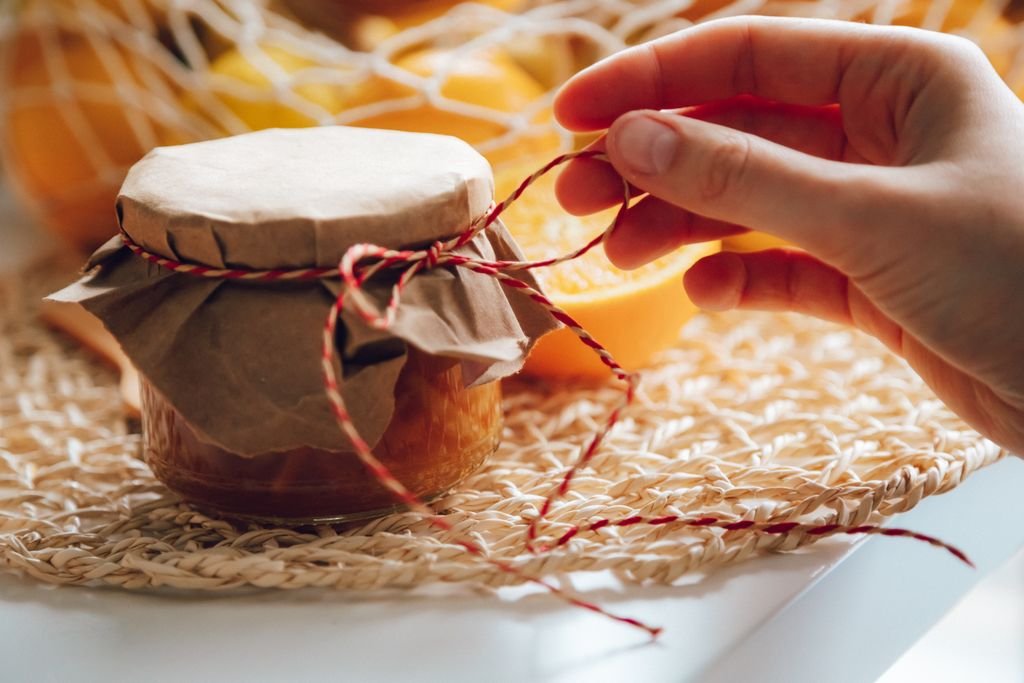
When we preserve food, it reconnects children with real ingredients, real skills and real understanding.
It makes real food affordable, accessible and long lasting.
It teaches children how to reduce waste, stretch budgets and build independence.
Children who learn to preserve food gain
– confidence – independence – resilience – creativity –
These are life skills, not hobbies.
Preserving is not optional.
It is essential and should form part of school curriculum.
This is how we help the next generation live beyond the label.