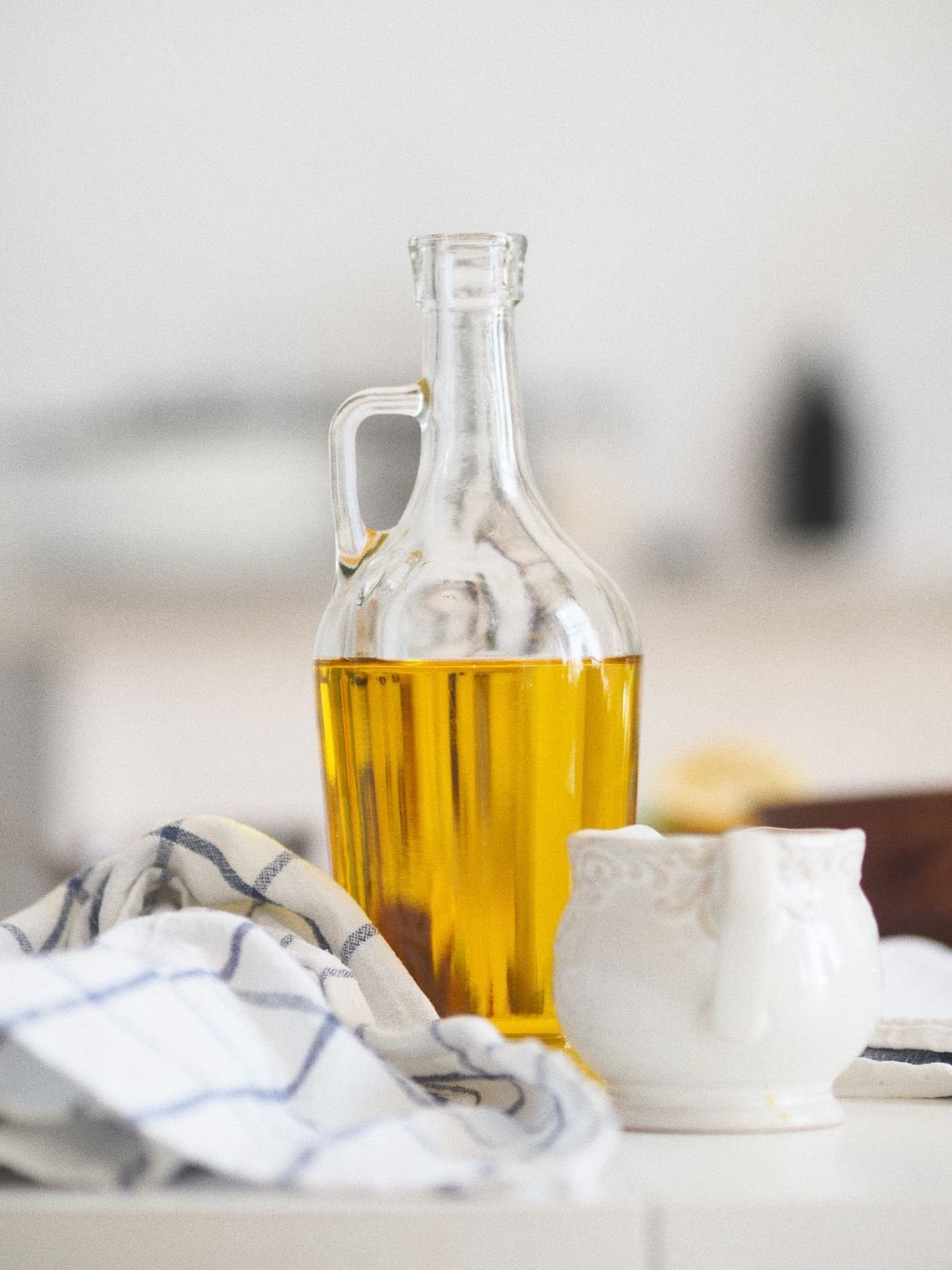
Let’s Explore the Oils we use and The Quiet Decline of Food Quality
Understanding cooking oils today means understanding far more than “olive oil is good” and “seed oils are bad”. “What is meant by Cold Pressed, Unrefined Oils?”
We take a look and help understand how oils are extracted, how refining changes their chemistry, how regulatory thresholds are set and how big brands quietly replace real ingredients with cheaper industrial substitutes, all while marketing stays exactly the same.
This is not about fear. This is not about elimination. This is about informed reduction and reclaiming your right to know what you’re eating.
How Oils Are Really Made – Extraction, Heat and Chemicals
Option 1 – Cold‑Pressed Extraction
Cold‑pressed oils are produced by physically pressing seeds or fruits without added heat. This preserves antioxidants, polyphenols, vitamin E, natural flavour, and omega‑3 fatty acids. Oils like extra virgin olive oil, cold‑pressed rapeseed oil and avocado oil retain nutrients because they avoid high‑temperature refining.
Option 2 – Industrial Solvent Extraction
Most seed oils (soybean, sunflower, canola, corn, cottonseed, safflower, grapeseed) are extracted using hexane (a petroleum‑derived solvent), high heat and mechanical pressing plus chemical extraction, commonly using a chemical called Hexane. This maximises yield but exposes oils to oxidation and removes natural compounds.
This is then…
… Refined, Bleached, Deodorised (RBD)
After extraction, oils undergo degumming, neutralising, bleaching and deodorising at 200–260°C. These steps strip antioxidants, destroy polyphenols, reduce vitamin E, alter fatty acid structure and remove flavour and colour. Refined oils are not “toxic” as such but they are nutritionally hollow compared to unrefined oils.
The Omega‑3/6/9 Imbalance – Why It Matters
Modern diets contain too much omega‑6 (from seed oils and processed foods) and too little omega‑3 (from fish, flax, chia, cold‑pressed rapeseed). This imbalance may contribute to inflammatory signalling, oxidative stress and metabolic dysfunction. Omega‑6 is not the enemy, excess without omega‑3 balance is.
“Safe Levels” vs “Healthy Levels” – The Regulatory Gap
Regulators say hexane residues are “safe,” oxidation products are “within limits,” and refined oils meet safety standards. But “safe” is a regulatory term, not a biological guarantee.
Safety thresholds are set by committees balancing economics, feasibility, supply chain stability and manufacturing needs. They are not balancing optimal inflammation levels, long‑term metabolic health, cumulative exposure or real‑world dietary patterns.
It is the same dynamic as NHS blood test ranges.
NHS ranges – “not immediately dangerous.”
Private/functional ranges – “optimal for health.”
Regulatory limits are acceptable, not optimal.
The Seed Oil Debate – What is True and What is Noise

What is True?
Seed oils are highly processed.
High in omega‑6
Prone to oxidation
Dominate ultra‑processed foods.
They contribute to omega imbalance.
What is Also True!
They are not inherently toxic.
They contain essential fatty acids
They are safe within regulatory limits.
The Real Issue!
Seed oils are a symptom of a food system built for
Low cost
Long Shelf life
Mass production
NOT nutrient density.
The Misleading “Cold‑Pressed” Label
Some oils labelled “cold‑pressed” still undergo filtering, deodorising or light refining. This removes antioxidants, polyphenols, and flavour compounds. Unlike extra virgin olive oil, many oils have no strict standards for what “cold‑pressed” actually means. Look out for unrefined cold pressed in the label, not many are.
What is more Scary…
…Palm Oil & Shea Oil – The Quiet Decline of Food Quality
Palm and shea oils are everywhere now because they are cheap, stable, solid at room temperature, easy to transport and perfect for mass manufacturing. They allow companies to replace cocoa butter, milk solids, dairy fats and natural emulsifiers. Read on for the study into chocolate decline…
The Chocolatier’s Frustration – A study into Ingredient Downgrading
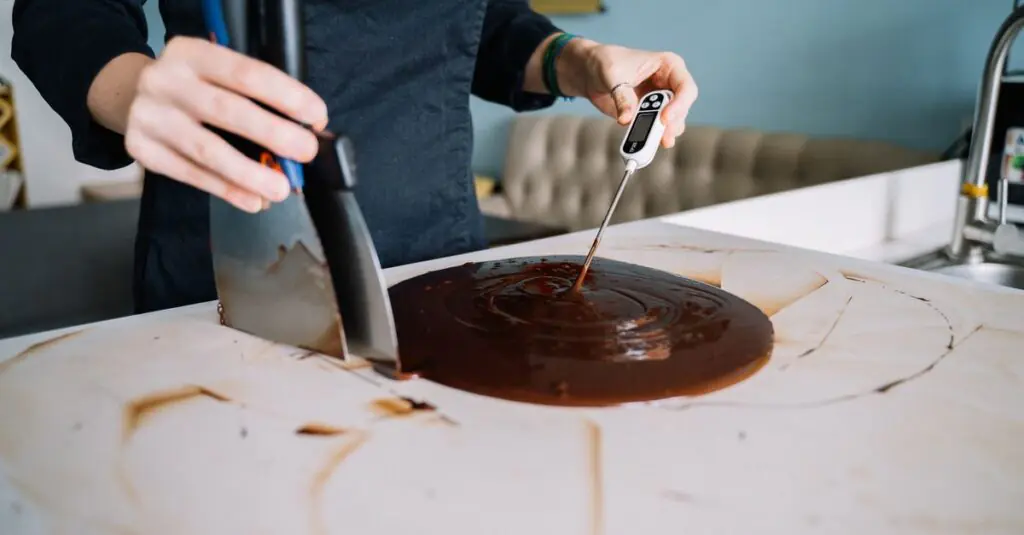
Walk into any supermarket and the confectionary aisle/s are as enticing as ever, bags and bars of dark, indulgent, smooth, milky, chocolate all dressed up in glossy ‘buy me’ packaging. Have you ever checked the other side, read the ingredients and thought WOW! what are these ingredients, where is the chocolate in my chocolate bar?
The Great Substitution
Whilst true chocoletiers are still out there making choclate there are many, many well‑known chocolate brands that are increasingly reformulating their products to reduce costs.
Instead of relying primarily on cocoa butter, some now use palm oil, shea oil and/or other vegetable fat blends to achieve the same texture and shelf stability.
The packaging often looks the same. The branding hasn’t changed. But the product inside has.
Why This Happens?
Real chocolate ingredients, the cocoa butter, cacao, milk and sugar are expensive.
Replacing part of that fat content with cheaper alternatives allows manufacturers to:
– Lower production costs
– Improve shelf life
– Maintain consistent texture at scale
Most consumers never notice the difference, especially when flavourings and sugar levels remain similar.
What Real Chocolate Looks Like?
Traditional chocolatiers and higher‑quality producers tend to stick to the fundamentals:
– Cacao (or cocoa solids)
– Cocoa butter
– Sugar
– Milk (for milk or white chocolate)
That’s it.
When chocolate is made this way, the difference is clear:
A smoother, cleaner melt – A richer, more complex flavour – No waxy or overly uniform texture
The Bigger Picture
This isn’t just about chocolate! It reflects a broader shift across the food industry.
Replace higher‑quality ingredients with cheaper alternatives, while maintaining the same appearance and marketing.
Understanding this helps you make more informed choices—not out of fear, but awareness.
The wrapper looks the same. The marketing sounds the same. But the chocolate is not the same.
Why big brands do this?

– Cocoa butter is expensive.
– Milk solids are expensive.
– Palm/shea oil is cheap.
– Consumers rarely notice.
– Profits stay high.
This is the same pattern occurring across the food industry!
Replace real ingredients with cheaper industrial fats, then use marketing to maintain the illusion of quality.
Small Chocolatiers Show the Truth!
Real chocolate needs only:
– cacao – coco butter – milk -raw cane sugar.
That’s it!
No palm oil. No shea oil. No emulsifiers. No stabilisers. No “vegetable fat blends.”
When you taste real chocolate, the difference is obvious, richer flavour, cleaner melt, no waxy texture, no industrial shortcuts.
This is the same story with bread, yoghurt, cheese and oils.
When you remove industrial processing, food becomes recognisable again!
So What Should You Actually Do?
This is not about fear or elimination. It’s about informed reduction.
Choose oils that are cold pressed and unrefined retaining the nutritional context where you can, cooking at home, purchasing products that promote cold pressed unrefined ingrediants and being aware.
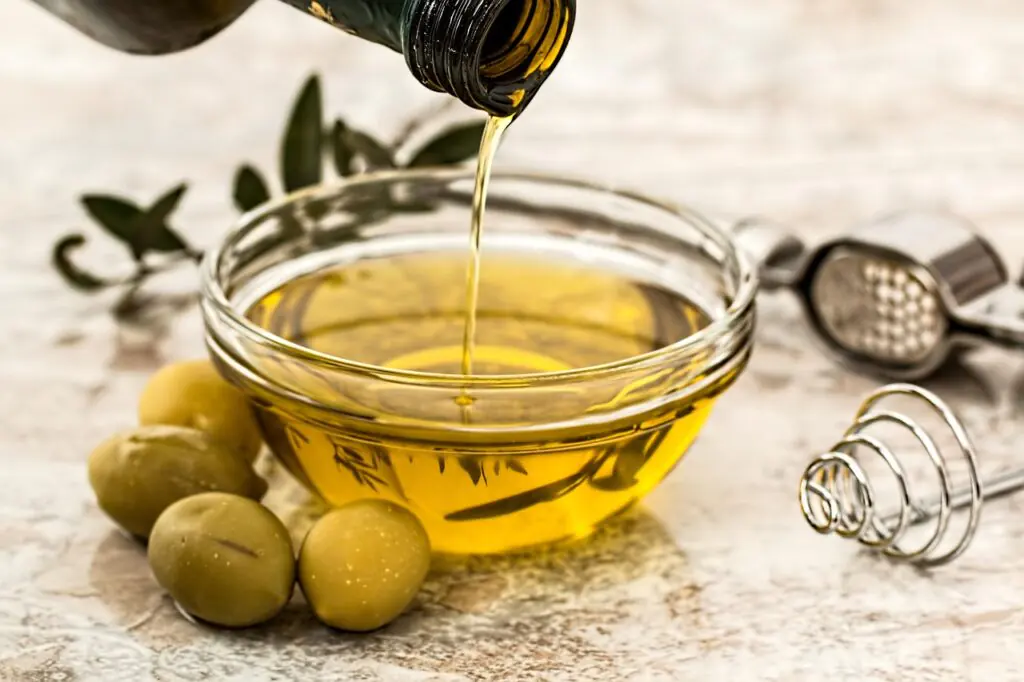
Prioritise extra virgin olive oil, cold‑pressed rapeseed oil, avocado oil, flaxseed oil (cold pressed and unrefined only).
Reduce (avoiding what you feel you can) ultra‑processed foods, products with palm/shea oil, foods high in refined seed oils.
Aim for balance – increase omega‑3, reduce excess omega‑6, choose oils that support nutrient density.
The Empowering Takeaway
You don’t need to fear oils.
You don’t need to eliminate seed oils.
You don’t need to obsess over labels.
But you do deserve to understand –
how oils are made
how refining changes them,
how regulatory thresholds work,
how big brands quietly downgrade ingredients,
and how to choose oils that support long‑term health.
This is the heart of Live Beyond the Label
Not Fear — Bringing Awareness
Not Restriction — Education & Understanding
Not Elimination — Allowing Informed Choice
Disclaimer: This content is created for general education and to help you make informed choices about the food you eat. It is not medical advice, nutritional advice or a substitute for professional guidance. Your body, health history and needs are unique, please speak with a qualified practitioner for personalised support.