Why UPFs Are Cheaper Than Real Food and Why That Must Change
One of the biggest barriers to food literacy is cost £££
We can teach children to grow, cook and preserve food, but those skills only become meaningful if families can afford real ingredients and right now, many can’t.
Ultra processed foods (UPFs) are cheaper, faster, and more accessible than real food,
not because they are better, but because the system is designed that way.
This article explains why UPFs are cheaper, how the food system makes real food unaffordable
and why affordability must be part of any conversation about food literacy.
UPFs Are Engineered to Be Cheap
UPFs are not cheap by accident. They are cheap by design.
Manufacturers use:
– low cost ingredients
– bulk fillers
– stabilisers
– emulsifiers
– preservatives
– artificial flavours
– ultra refined oils
– industrial processing
These ingredients are inexpensive, shelf stable and easy to produce at scale.
They allow companies to create products that last months, travel long distances and require minimal storage costs.
UPFs are built for profit, not nourishment.
Real Food Is More Expensive But Not Because It Should Be
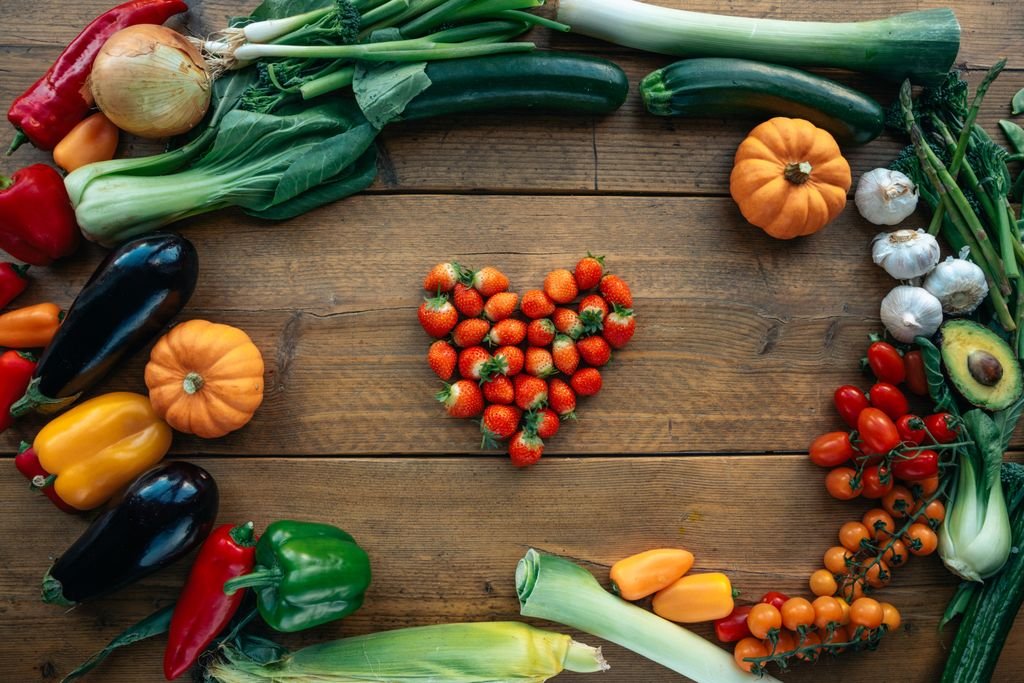
Real food costs more because
1. It spoils faster
Fresh produce has a short shelf life. Retailers lose money through waste, so prices rise.
2. It requires labour
Growing, harvesting, transporting and storing real food is labour intensive.
3. It requires land
Farming is expensive. Land is expensive. Equipment is expensive.
4. It is not subsidised the same way
Many countries subsidise commodity crops used in UPFs (corn, soy, wheat).
Fresh produce rarely receives the same support.
5. It doesn’t benefit from industrial economies of scale
UPFs can be produced in massive factories. Real food cannot.
6. It requires cooking time
Time is a cost, especially for families juggling work, childcare and tight budgets.
Real food isn’t expensive because it’s “premium.” It’s expensive because the system makes it expensive.
Coming soon – real food affordability
The Convenience Trap – When Cost Dictates Choice
Families don’t choose UPFs because they don’t care. They choose UPFs because they are
– cheaper – faster – easier – predictable – accessible – marketed heavily –
When a ready meal costs £2.50 and the ingredients to cook a fresh version cost £6–£10, the decision is made for you.
When a jar of sauce is £1 but the tomatoes, herbs and aromatics cost triple that, convenience wins.
This is not a failure of parenting. It’s a failure of the food system.
Marketing Makes UPFs Look Like “Smart Choices”
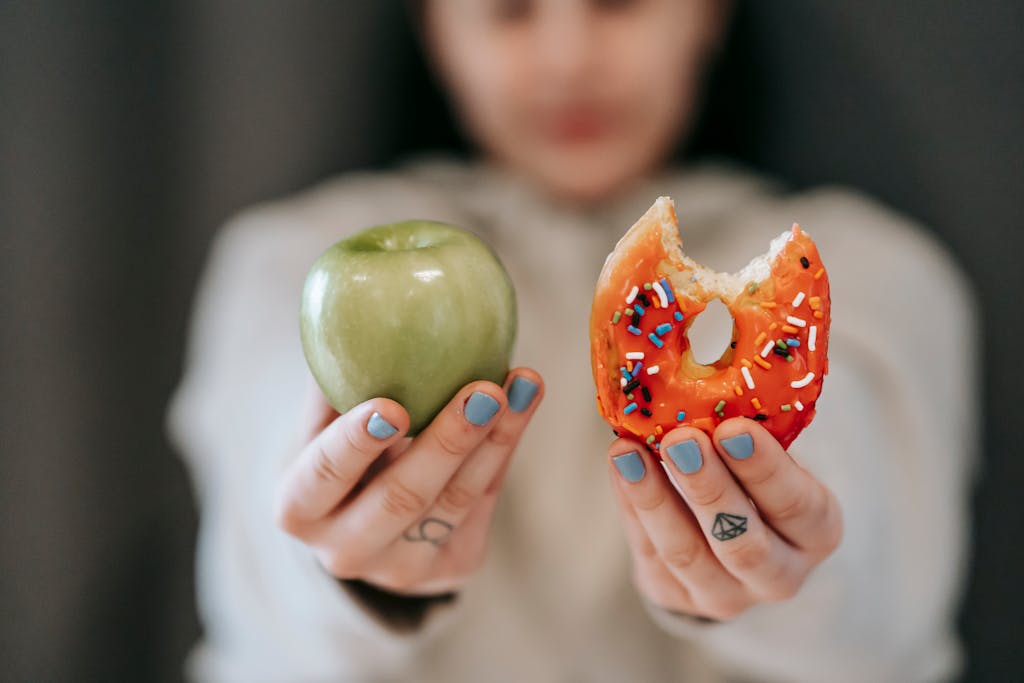
UPFs are marketed as
– affordable – quick – balanced – nutritious –
– family friendly – time saving – budget friendly –
Children and adults are fed marketing, not knowledge.
Labels highlight protein, fibre, vitamins, “freshness” and “health benefits,”
even when the product is heavily processed.
This is exactly what Live Beyond the Label challenges, ‘The idea that front of pack messaging equals truth’
Coming soon – food marketing
Why Real Food Feels Intimidating
Cost isn’t the only barrier. Real food feels intimidating because
– families lack cooking confidence
– parents never learned food skills
– children do not see real ingredients used at home
– Food Tech doesn’t teach meaningful cooking
– supermarkets prioritise convenience
– UPFs are familiar and predictable
– real ingredients require time, tools and knowledge
This is why food literacy must include
– growing – cooking – preserving – budgeting –
– seasonal eating – understanding food systems –
Coming soon – food literacy
The Hidden Costs of UPFs
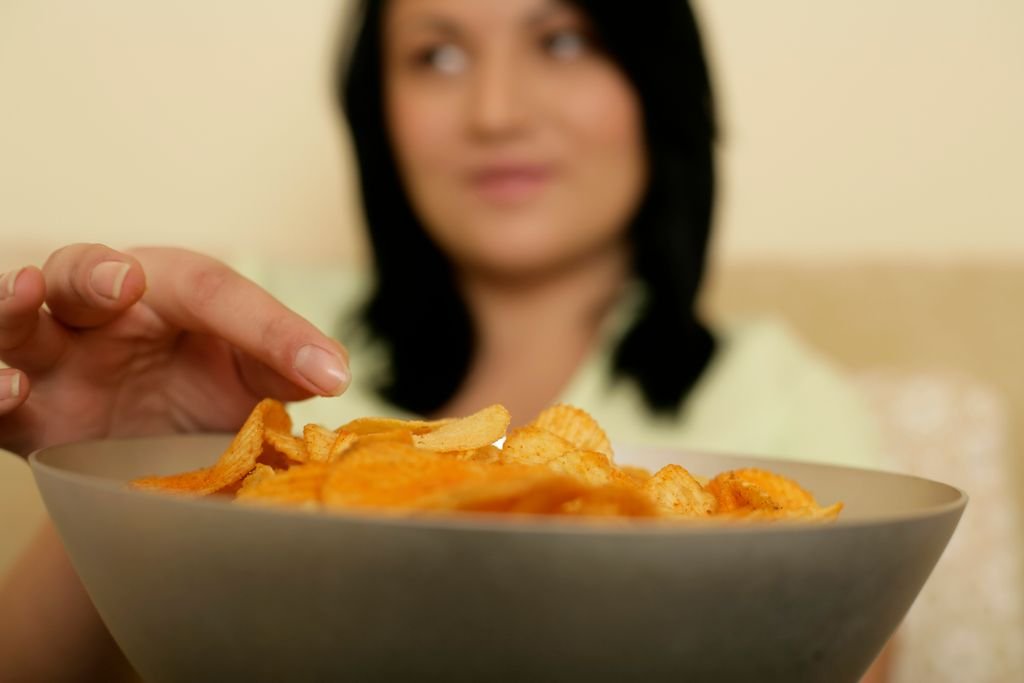
UPFs appear cheap however they come with hidden costs
1. Health impacts
Higher rates of obesity, diabetes, heart disease, and metabolic issues
2. Long term financial strain
Poor health leads to higher medical costs over a lifetime
3. Loss of food skills
Generational skill loss makes families dependent on convenience
4. Environmental impact
Industrial processing, packaging and transport increase emissions
5. Cultural loss
Traditional cooking, growing and preserving skills fade
UPFs are cheap at the checkout. They are expensive everywhere else.
Why Affordability Must Be Part of Food Literacy
Teaching children to cook is meaningless if families cannot afford ingredients.
Teaching children to grow food is limited if they cannot access land or tools.
Teaching children to preserve food is impossible if they never have seasonal abundance.
Food literacy must include:
– cost awareness
– budgeting
– meal planning
– batch cooking
– reducing waste
– growing low cost staples
– preserving seasonal produce
Coming soon – budget friendly real food
Growing and Preserving Reduce Costs Long Term
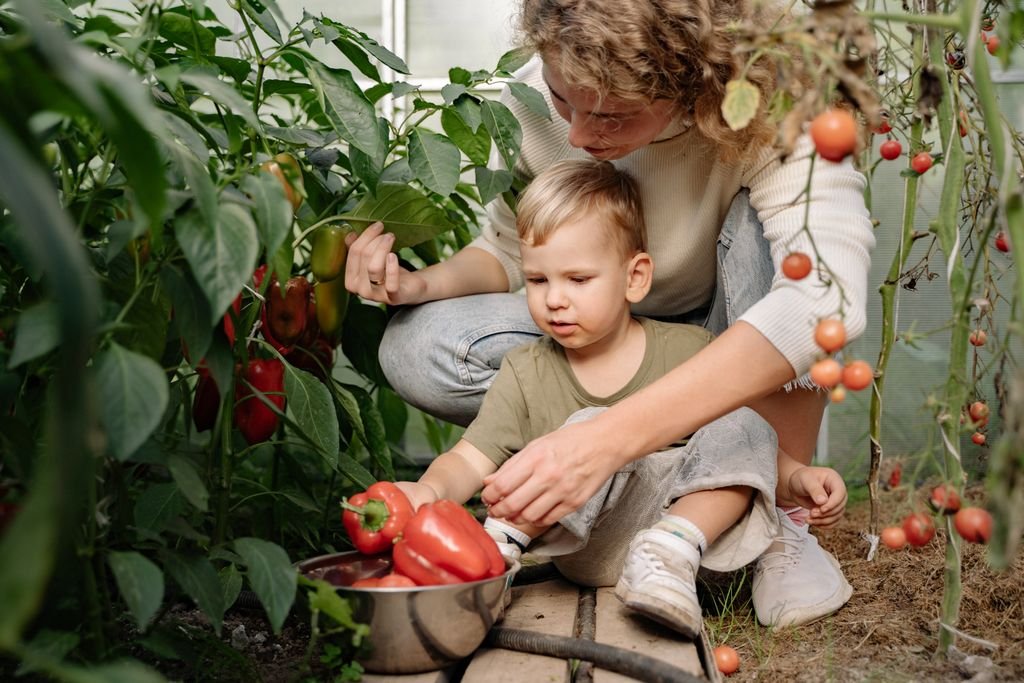
This is where your mission becomes transformative.
Growing food teaches children that ingredients don’t have to be expensive.
A £1.50 packet of seeds can produce weeks of fresh produce.
Preserving teaches children how to make seasonal abundance last
– freezing – fermenting – bottling – drying – pickling –
These skills reduce reliance on expensive fresh produce and even more expensive UPFs.
– They create resilience – They create independence – They create affordability –
Coming soon – preserving skills
The System Must Change — Not Just Families
Families cannot fix affordability alone. Schools cannot fix affordability alone. Parents cannot fix affordability alone.
The food system must change so that
– real food is affordable
– UPFs are not the cheapest option
– fresh ingredients are accessible
– seasonal produce is valued
– food education is prioritised
– marketing is regulated
– children learn real food skills
Food literacy and food affordability must go hand in hand.
Conclusion – Real Food Should Not Be a Luxury

UPFs are cheaper than real food because the system is designed that way.
Real food is more expensive because the system makes it expensive.
If we want children to grow up food literate, confident and independent, we must make real food accessible, affordable and understood.
We must teach children to grow, cook and preserve food, whilst ensuring families can afford the ingredients that make those skills meaningful.
Food literacy is not just about knowledge
– It is about access
– It is about affordability
– It is about equity
– It is about living beyond the label