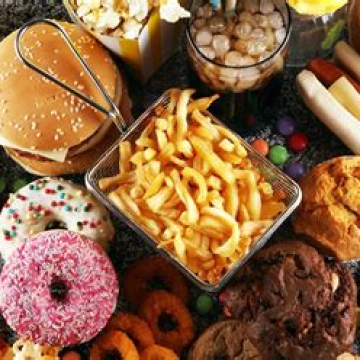
How We Lost Our Connection to Real Food Over the last fifty years, Britain has undergone one of the most dramatic shifts in food culture in human history. In just three generations, we’ve moved from a society where most families cooked from scratch, grew something at home, and preserved seasonal produce — to one where ultra processed foods dominate diets, shopping baskets, and children’s understanding of what food even is. This didn’t happen overnight. It happened slowly, quietly, and systematically. Unless we understand how we got here, we cannot rebuild the food literacy our children desperately need. This is the first article in our Food Literacy Series. Exploring…
Rooted in Real Food Why Growing, Cooking & Preserving must be taught throughout the school years. We are now several generations deep into convenience culture, a world shaped by ultra processed foods, ready meals and a growing disconnect from where real food comes from. Many children leave school knowing how to analyse a poem or solve an equation, yet have no idea how to grow a carrot, cook a simple meal or preserve food for later. Some of us were fortunate enough to grow up with glimpses of real food skills woven into everyday life, gardening, cooking from scratch or being around farming and rural environments. However, that…
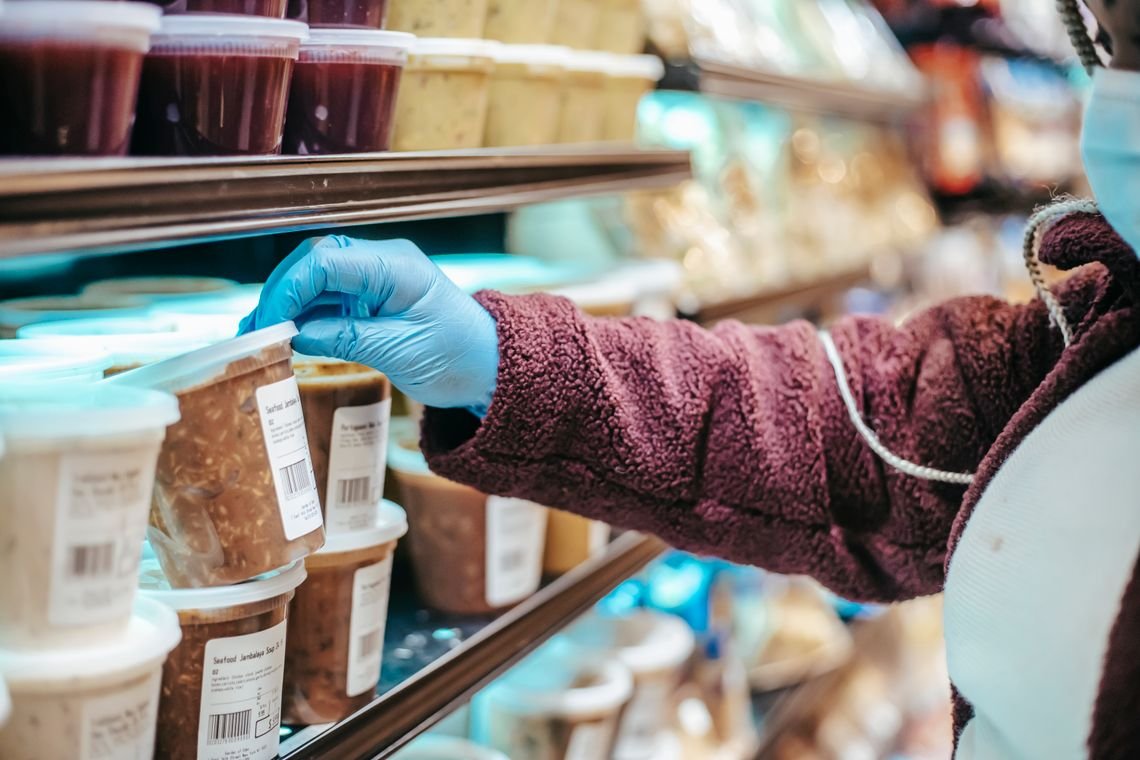
Choosing better alternatives to reduce UPFs
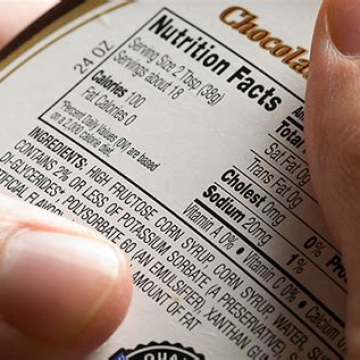
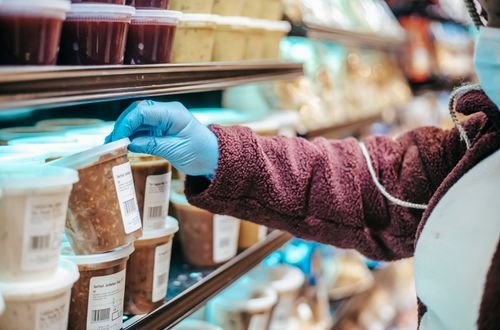
What the Food Industry Doesn’t Put on the Front of the Pack. We investigate what is behind the food label and discuss how to read one in 10 seconds. Imagine walking into any supermarket and you’ll be surrounded by products telling you how healthy they are, the food label will be marketed … “High Protein.”“Low Fat.”“Source of Fibre.”“Natural.”“Made with Whole Grains.”“Plant-Based.” The reality is that the front of the package is advertising, not education. Food manufacturers spend millions designing packaging that captures your attention and encourages you to buy. They know most people make decisions in a matter of seconds, often without ever turning the product over to…
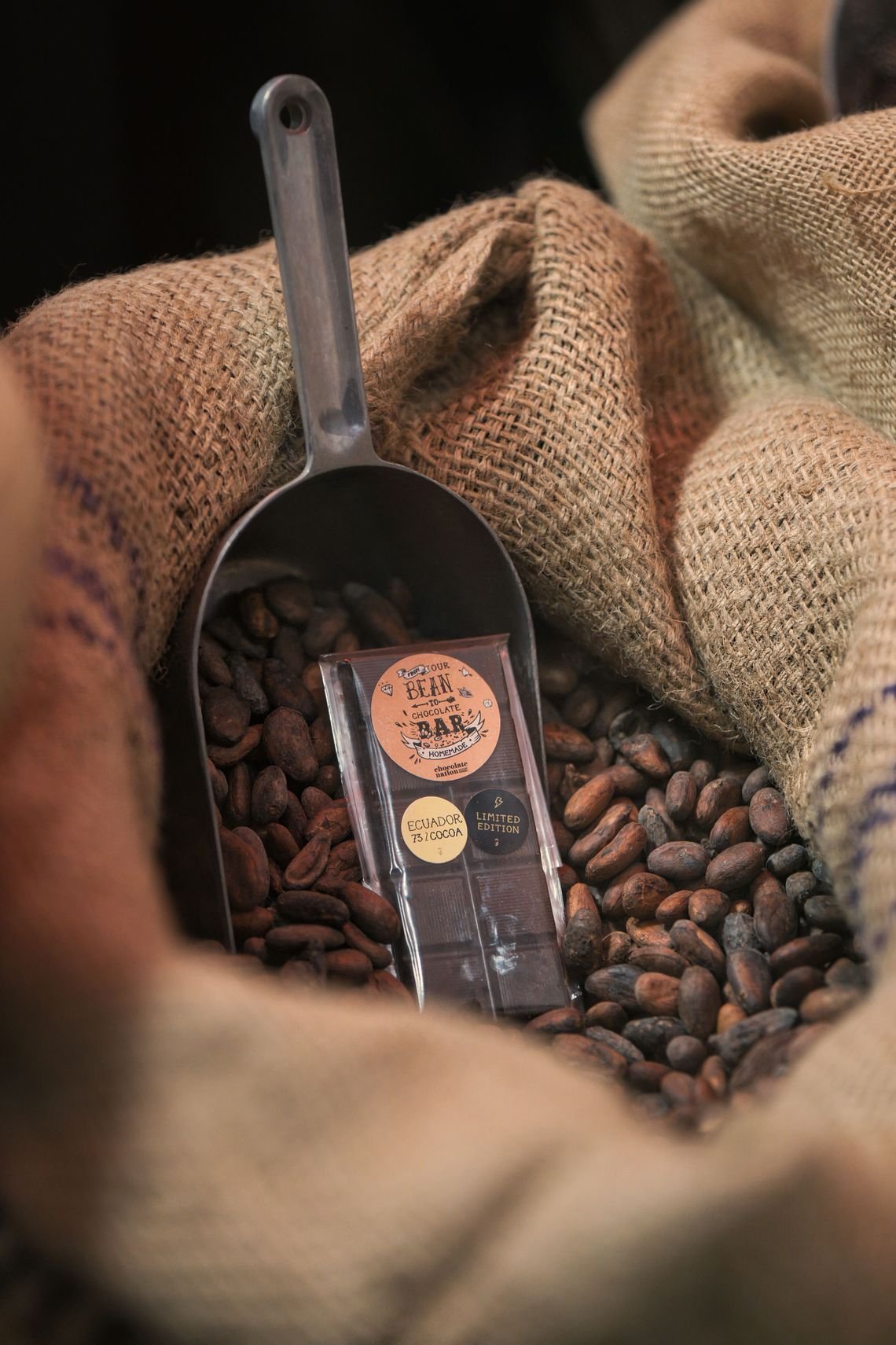
Cocoa Butter
Hexane
Let’s Explore the Oils we use and The Quiet Decline of Food Quality Understanding cooking oils today means understanding far more than “olive oil is good” and “seed oils are bad”. “What is meant by Cold Pressed, Unrefined Oils?” We take a look and help understand how oils are extracted, how refining changes their chemistry, how regulatory thresholds are set and how big brands quietly replace real ingredients with cheaper industrial substitutes, all while marketing stays exactly the same. This is not about fear. This is not about elimination. This is about informed reduction and reclaiming your right to know what you’re eating. How Oils Are Really Made…
Are Your Cleaning Products Polluting Your Home? Most of us spray, wipe and scrub thinking we’re making our homes safer. But UK research shows many everyday cleaning products release harmful chemicals that linger in the air long after we’ve finished cleaning. The Hidden Chemicals Lurking Behind the Label Most of us reach for cleaning sprays, wipes and disinfectants believing we’re making our homes safer. However recent UK research shows that many everyday cleaning products release volatile organic compounds (VOCs) and other harmful chemicals. These VOCs and chemicals can linger in the air long after we’ve finished cleaning. These pollutants accumulate in the very spaces where we spend most…
Why Reducing UPF’s is NOT about PERFECTION. Read on to see why reducing UPF’s is not about perfection and what it’s really about. Reducing UPF’s is more about Awareness, Confidence & Sustainable Change. If there’s one misconception that holds people back from improving their relationship with food, it’s the idea that reducing ultra‑processed foods (UPFs) means cutting them out completely. That’s not the goal here, not for you, not for your family and not for this movement. Perfection isn’t realistic. It isn’t necessary and it definitely isn’t helpful. Modern life is busy. Convenience matters. UPFs are everywhere – in lunchboxes, in workplaces, in social events, in the weekly…
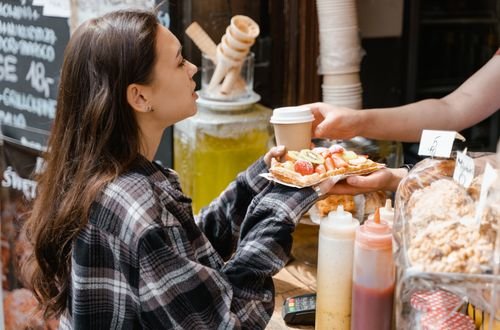
Why front‑of‑pack promises often hide what really matters, here we explore The Truth about ‘Healthy’ Marketing Claims. Food marketing is clever, intentionally clever. Supermarkets are full of products wrapped in comforting words like “natural”, “plant‑based”, “high protein”, “low sugar” and “no artificial colours”. These phrases sound reassuring, wholesome, even responsible. They’re designed to make you feel like you’re making a good choice. However, we disclose the truth: The front of the packet is advertising. The back of the packet is the truth. A product can look healthy, ethical or “clean” on the outside while being ultra‑processed on the inside, and unless you know what to look for, it’s…